









Tick-tock, tick-tock: the climate clock is making an alarming sound, counting down the amount of time we have left to save the earth. Scorching heat and potentially devastating flooding are both on the rise. Two recent CUHK studies have explored what we can do about that: while one is helping the authorities map floods and take contingency measures, the other predicts an ever hotter future, and suggests ways we can mitigate the heat’s most debilitating effects.
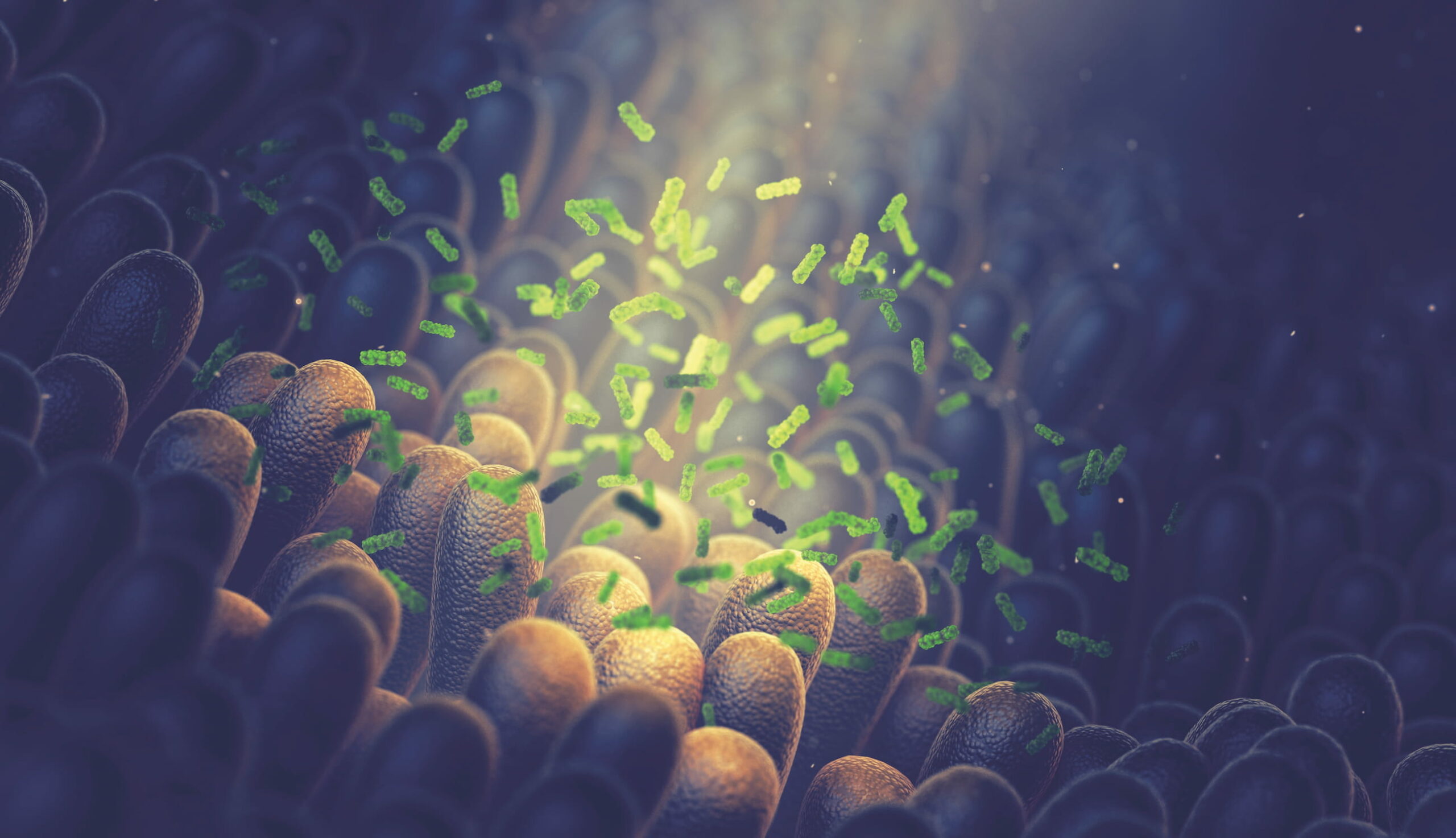
A multidisciplinary team led by gastroenterologists Professor Francis Chan Ka-leung and Professor Ng Siew-chien believe that the microbiome is the next frontier of medicine. For over a decade, the two clinician-scientists have been making cutting-edge innovations to identify and treat different diseases and translating them into clinical service and products for the benefit of the community.
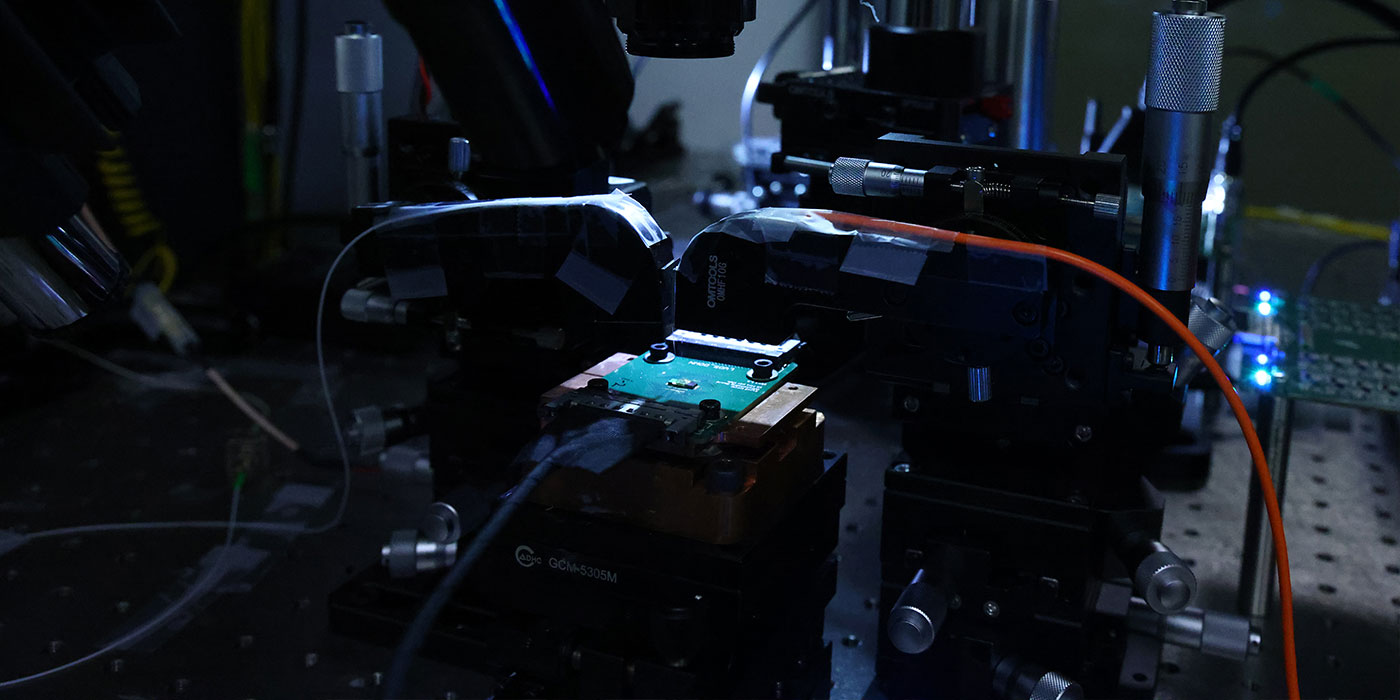
As the digital world grows ever more information-hungry, Professor Tsang Hon-ki’s research on silicon photonics has proven to be a serendipitous career choice. His research team’s project is chosen for the Hong Kong government’s inaugural Research, Academic and Industry Sectors One-plus (RAISe+) Scheme, which helps universities transform and commercialise their research and development outcomes.
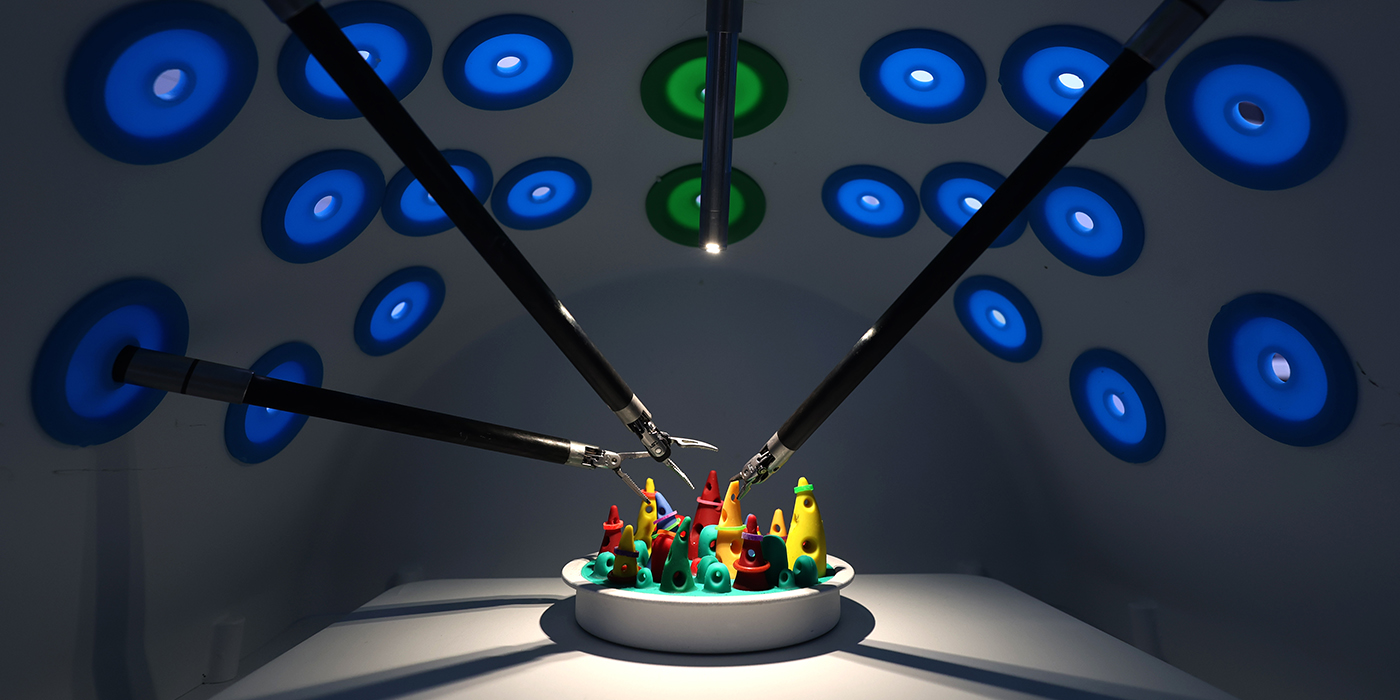
CUHK’s Multi-Scale Medical Robotics Center (MRC) is a trailblazer in bringing the worlds of medicine and engineering together. In collaboration with other world-leading institutes – plus visionary commercial partners – the MRC is further advancing minimally invasive, high precision surgical robotic technologies. It is also incubating affordable medical robots as pressure mounts for better patient care in hospitals in Hong Kong, the mainland and world.

Feeling down? Wondering if it is more than just a bad day? Imagine if technology could read your emotions and lend a helping hand. With shortage of psychiatrists challenging the global healthcare systems, it can be hard for depression sufferers to get diagnosed. CUHK researchers have harnessed the power of AI technology to develop two innovative tools that make diagnoses easier and earlier: by utilising a pioneering mobile app and looking into your eyes.
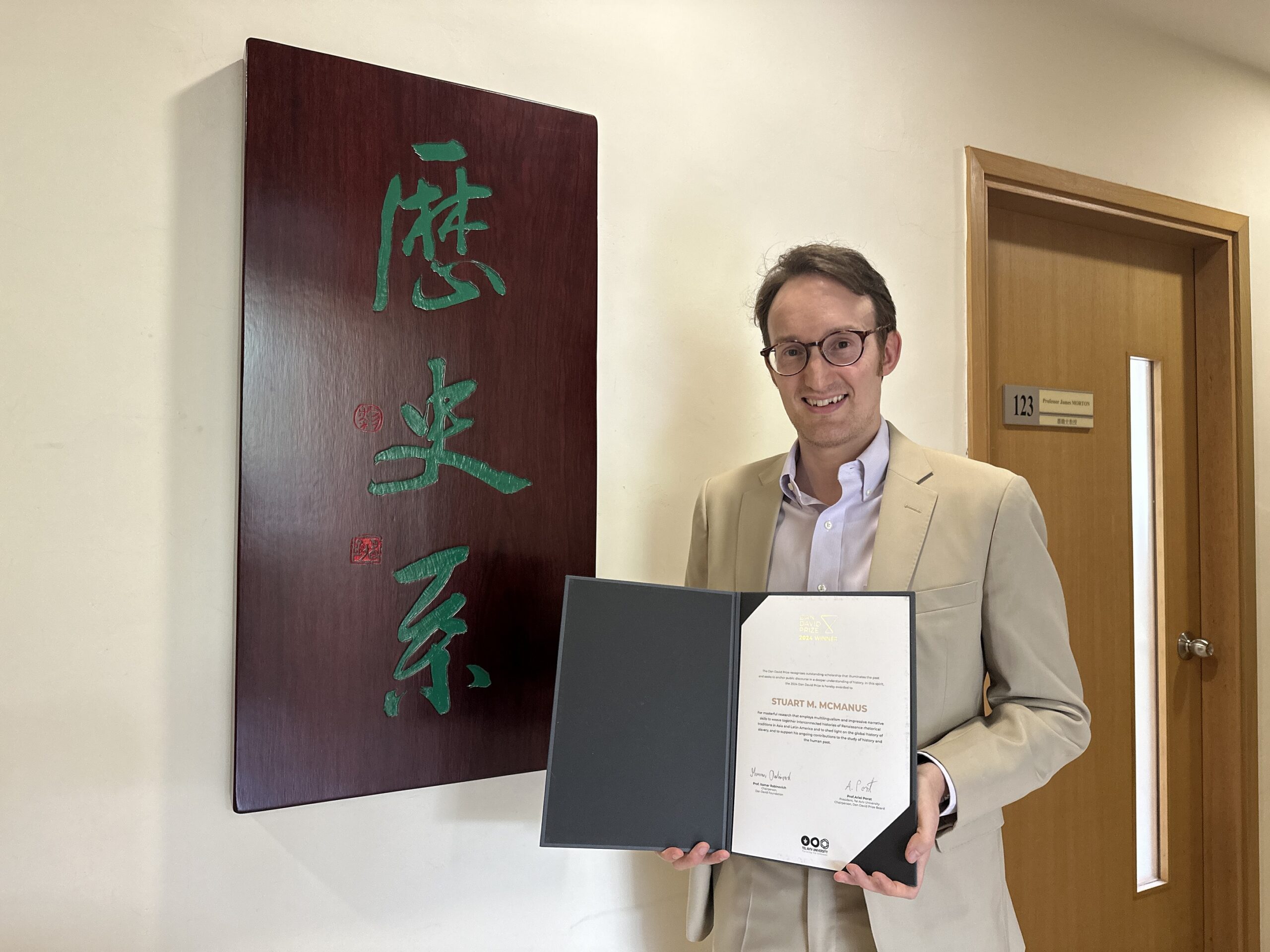
Most of us think of the Renaissance as something that happened in Europe. Not so, says Professor Stuart M. McManus from CUHK’s Department of History. His work, which has scooped him the Dan David Prize, the world’s leading history award, represents a highly ambitious attempt to set the record straight, yoking together different regions and eras to understand how cultures influence and reflect each other across the globe.
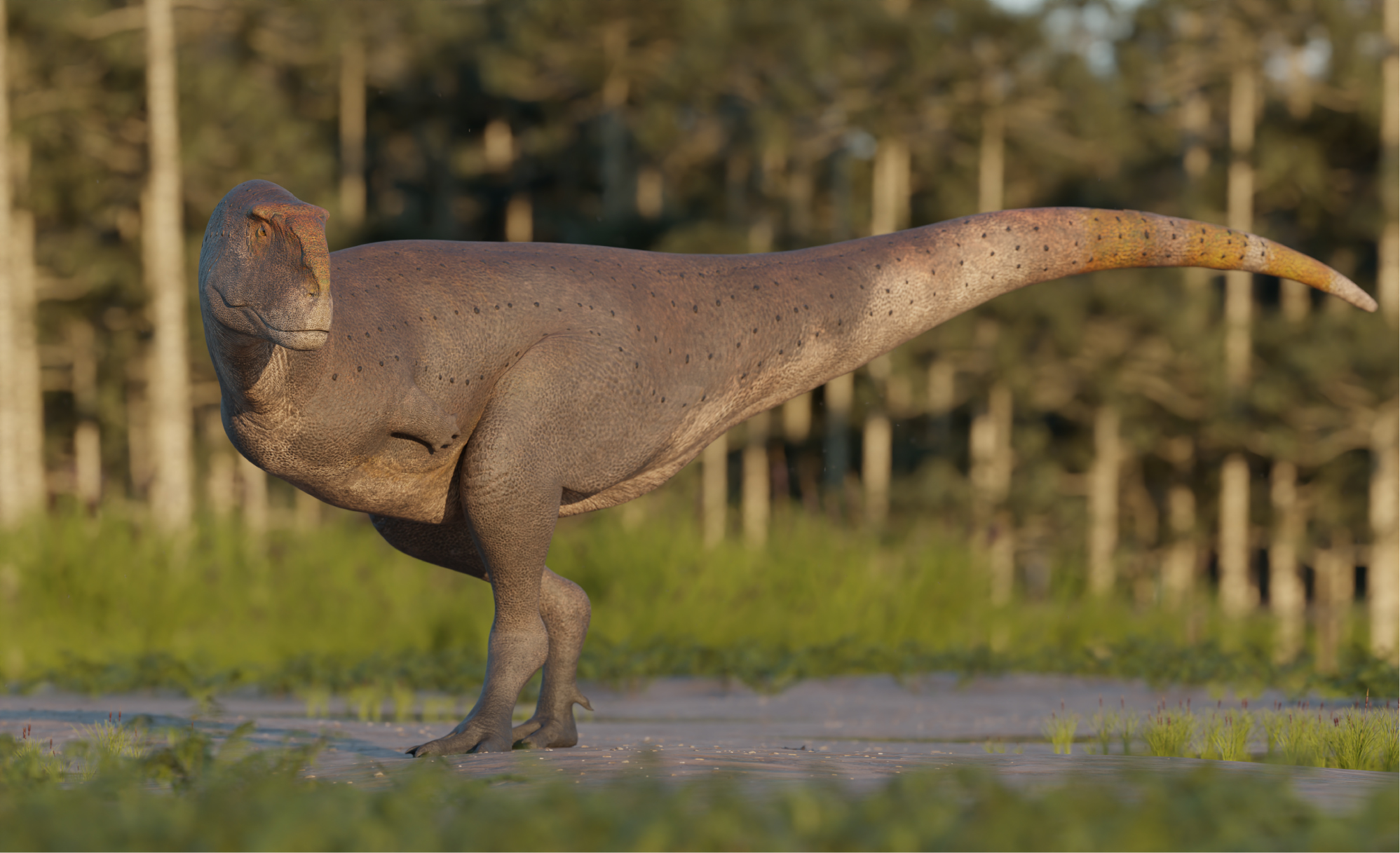
It’s not often that a new species of abelisaurid dinosaur gets discovered – the habitat of the famous Carnotaurus hasn’t yielded another abelisaurid since it was found 40 years ago – but that’s exactly what a CUHK-led team has just done. The extensive set of bones they found in South America come from Koleken inakayali, an agile apex predator that inhabited the ancient southern supercontinent of Gondwana 60-plus million years ago. The discovery sheds light on how predatory dinosaurs evolved and shows that more than one top predator lived side by side in Late Cretaceous ecosystems.
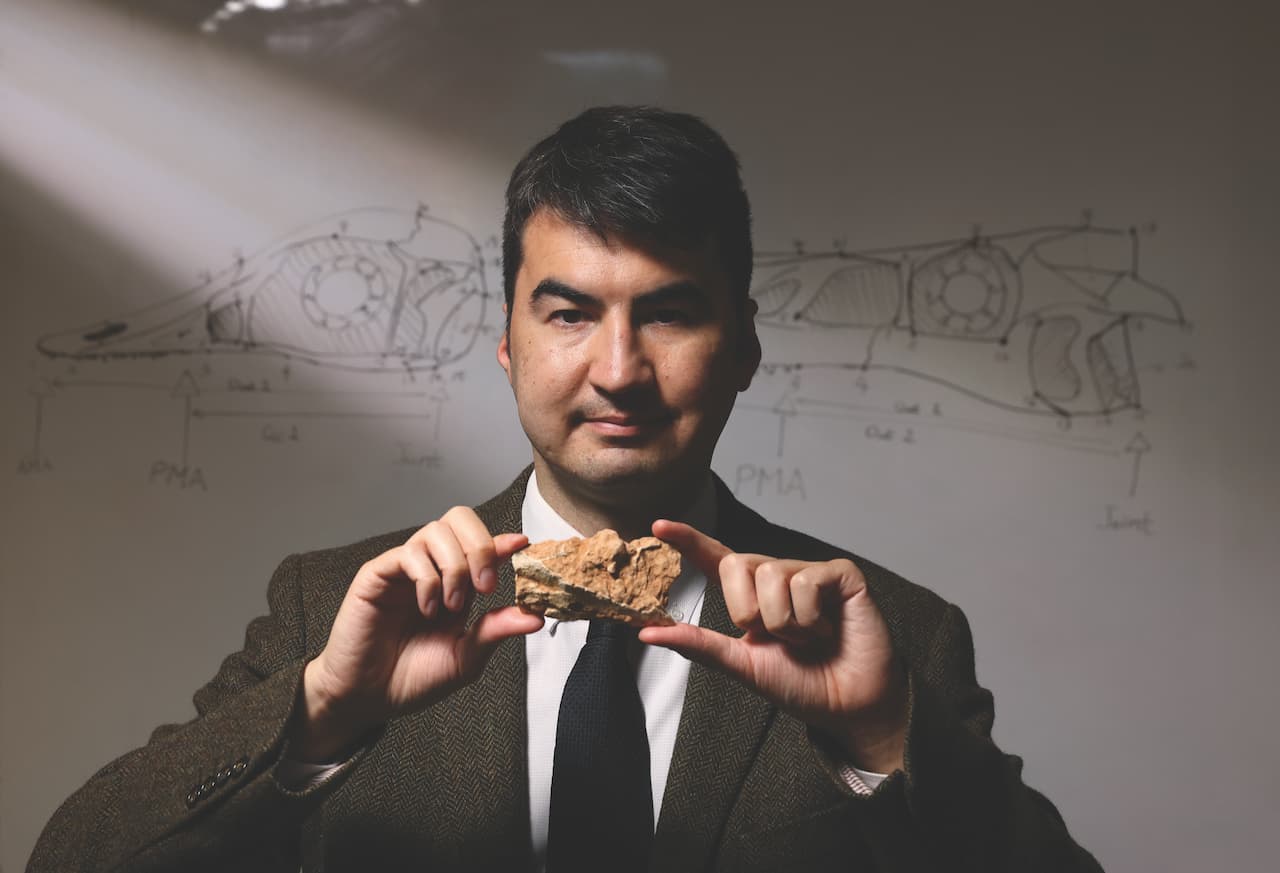
For the past 150 years, vertebrate palaeontologists have focused on the study of bones of dinosaurs and other prehistoric life. There are a lot of gaps to be filled in understanding prehistoric ecology, and the lack of data has given rise to speculations and myths. At CUHK, Professor Michael Pittman, a leading scientist in the field of vertebrate palaeontology, has been using innovative technology to revolutionise our understanding of pre-historic life.
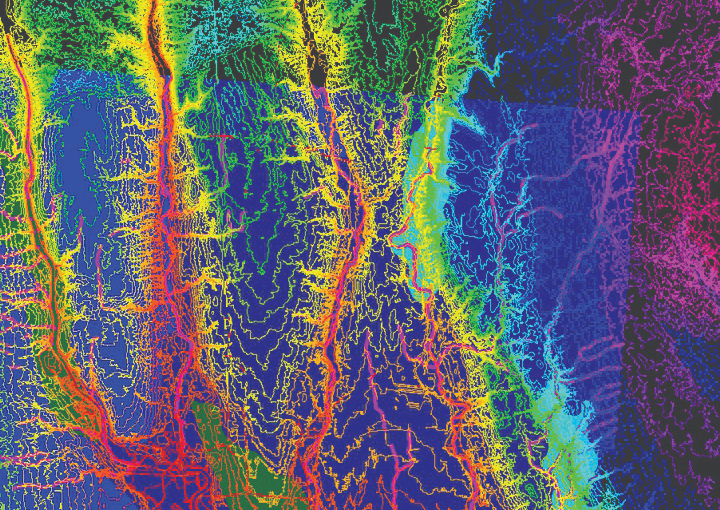
Applied geographers use a variety of techniques to understand and explain human-environment relationships and solve real-world problems. The rapid development of geographic information systems (GIS) and other technologies in the past few decades has greatly expanded the reach of applied geography. Professor Kwan Mei-po, internationally recognised for her ground-breaking work that advanced GIS techniques, is dedicated to finding innovative ways to accurately assess people’s environmental exposures and the impact on their health, with an emphasis to capture individual experience.

Two CUHK professors are collaborating on technology solutions for Cantonese speakers in Hong Kong who suffer from dysarthria, which affects the articulation of sounds and words, and have since expanded their research to neurological diseases such as dementia. Their cross-disciplinary research combines multilingual speech processing, artificial intelligence, neuroscience and language learning.
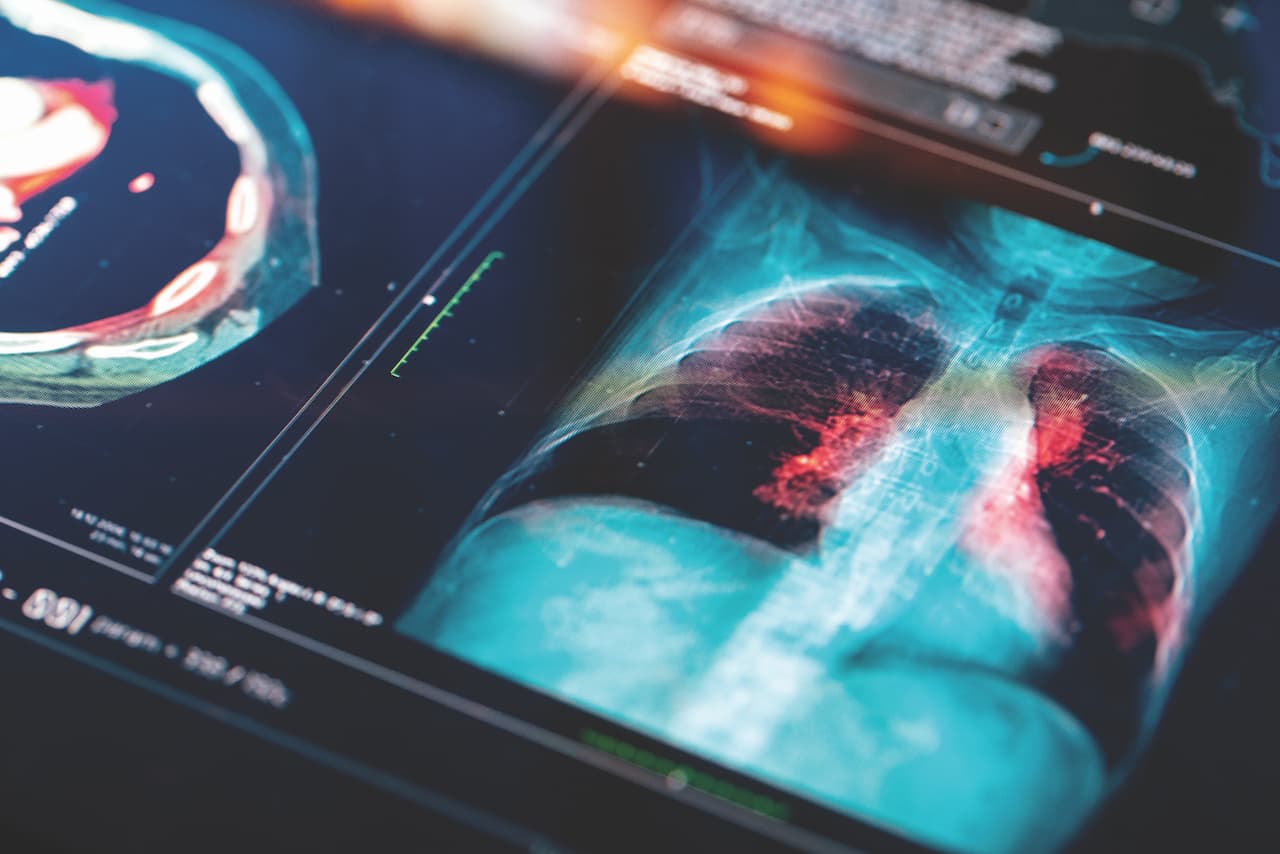
The CUHK research group led by Professor Tony Mok Shu-kam has decoded the common mutated genes in lung cancer and developed targeted therapies that have successfully increased patients’ lifespans. These innovative therapies redefined global paradigms in lung cancer treatment, providing patients with fresh hope. Professor Mok has established himself as one of the leading oncologists of the world, with his work on targeted EGFR inhibitors marking a significant milestone in the use of immunotherapy.
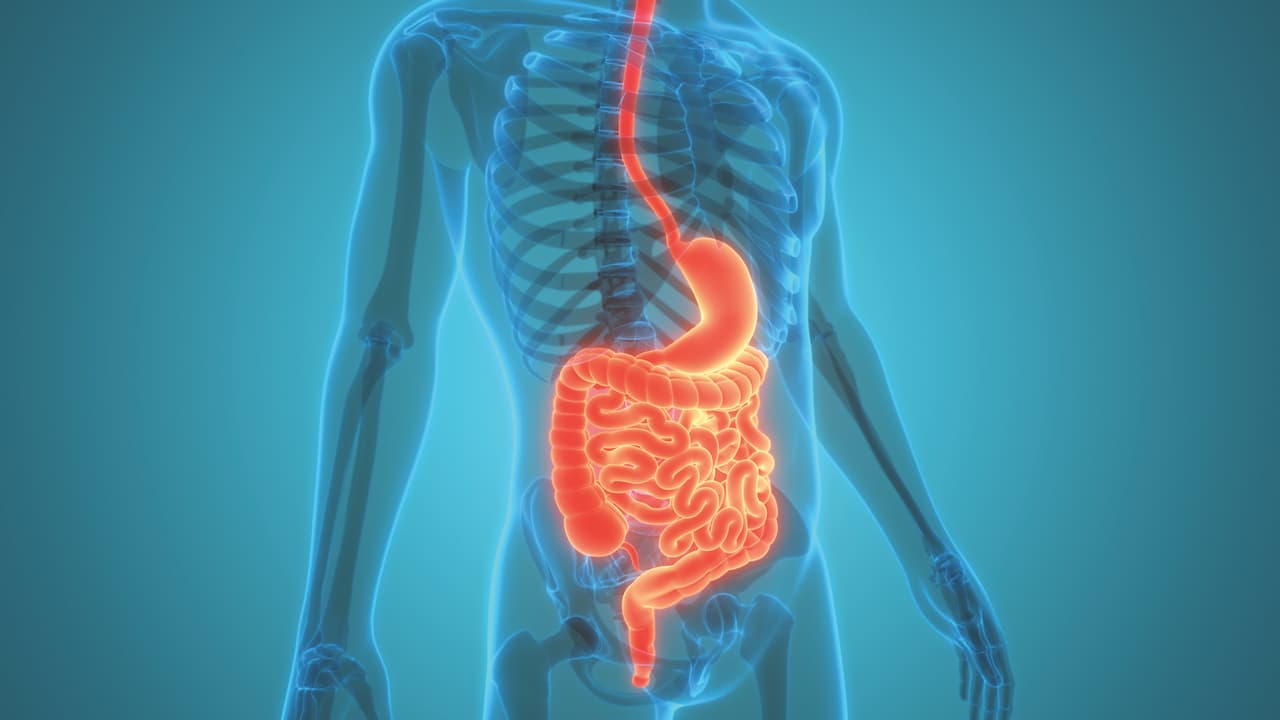
Cancers of the stomach, colon and liver are among the top causes of death globally. CUHK’s world-leading multi-disciplinary research in gastroenterology and hepatology has helped save countless lives by revolutionising early detection of gastrointestinal cancers, fatty liver disease and liver cancer. Breakthroughs in this field by Professor Jun Yu, Director of both the Institute of Digestive Disease and the State Key Laboratory of Digestive Disease at CUHK, have already been translated into clinical applications across China and Southeast Asia.
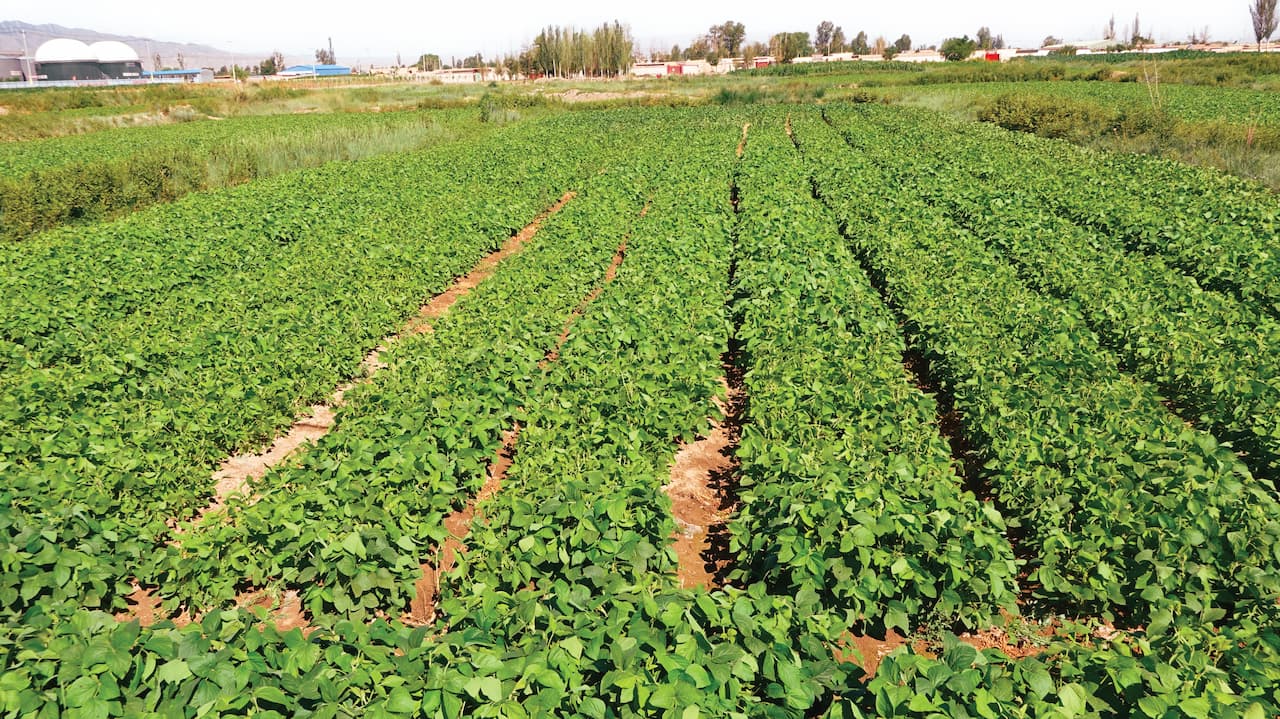
The UN Sustainable Development Goals (SDGs) are an important framework for CUHK to organise its research enterprise. Life Sciences Professor Lam Hon-ming’s research into climate smart soybean cultivation on marginal land is impacting multiple SDGs – from ending hunger, to improving nutrition and food security, to halting and reversing climate change, restoring degraded land and promoting gender equality. As Director of the State Key Laboratory of Agrobiotechnology at CUHK, he is also leading groundbreaking experiments in space.