












As the coming Asian Games spotlight athletic performance, CUHK researchers are pursuing a broader goal: preserving mobility throughout life. Through CNRM’s international collaboration, the University is advancing scalable, allogeneic mesenchymal stromal cell therapy for knee osteoarthritis. The work links global manufacturing expertise with CUHK research to bring regenerative medicine closer to clinical application and wider patient benefit for people worldwide.

A CUHK study has identified early-life links between the epigenome, gut microbiome and neurodevelopment. By following children from birth, the research team found that patterns in DNA methylation and gut microbial development were associated with later autism and ADHD-related scores, highlighting a possible route for early-life risk assessment and intervention.

A cross-disciplinary research team at CUHK has launched what is set to become Hong Kong’s largest adolescent sleep and mental health study — an ambitious project that uses artificial intelligence to detect early signs of emotional distress by monitoring how well teenagers sleep.

For generations, a heart attack has been seen as an irreversible decline. But a groundbreaking discovery by CUHK researchers may now be poised to change that. They have identified a hidden regenerative “switch” within the human immune system. Flipping it back on could reawaken the heart's dormant ability to heal itself—a power it once briefly held in infancy—turning a heart attack from a point of no return into a new beginning. This discovery doesn't just challenge a long-held medical belief; it opens an entirely new frontier in repairing damaged hearts.

Cancer’s toughest strongholds – solid tumours like those in the lung, liver, and pancreas – have long outwitted modern medicine. But what if the key to defeating them was already inside us – just hidden hero in plain sight? Using powerful AI to peer into cancer at single-cell resolution, CUHK researchers have discovered a previously unknown immune cell that can naturally hunt down and destroy solid tumours from within – a feat where conventional treatments fail. Even more remarkably, the team has developed a way to manufacture these “Super” immune cells from a patient’s blood, potentially opening the door to a brave new world of safe, fast-acting, cancer-bashing immunotherapy.

Robotic arms take digestive cancer operations to new heights in Professor Philip Chiu's innovation. The robotic arms, developed by his team jointly with CUHK’s Faculty of Engineering, mimic the dexterity of a surgeon’s hands – one arm holds tissue aside with its micro-grippers while the other wields micro-blades to excise with accuracy.

Millions around the world avoid shellfish out of fear of allergic reactions, yet many may be dodging delicious meals unnecessarily. Now, CUHK researchers just unmasked 11 crab allergens—eight of them never seen before—and a king-crab-exclusive protein that appears to sensitise 41% of patients. Their molecular tests aim to promote accurate diagnosis of allergies, paving the way for safer enjoyment of seafood.
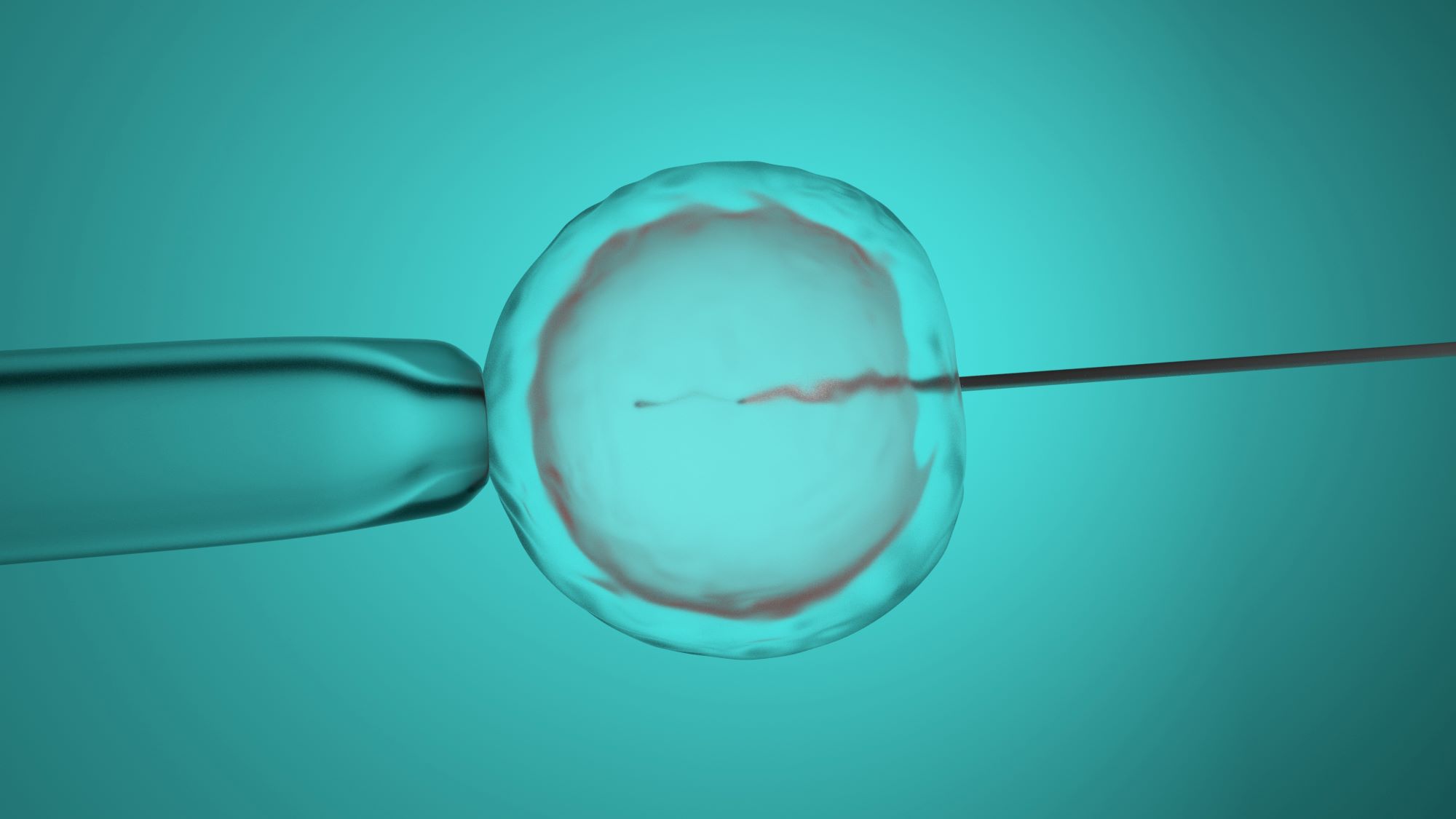
In a world captivated by the allure of cutting-edge technologies, the siren call of innovation often beckons people towards the newest offerings. But sometimes a scientific trial comes along and shows that under certain circumstances, conventional method still holds its ground. In the case of IVF treatment, researchers from CUHK and Queen Mary University of London recently discovered that contemporary time-lapse imaging (TLI) systems for monitoring embryo development do not outperform conventional methods.
Chemical Pathology Professor Dennis Lo Yuk-ming, often referred to as the “father” of Non-invasive Prenatal Testing (NIPT), is one of leading researchers at CUHK who contribute extraordinary expertise to Hong Kong’s public healthcare system. Last year, he was awarded America’s top biomedical research prize for his discovery, which has revolutionised prenatal testing for Down syndrome. That clinical breakthrough has also laid foundations for the early detection of multiple types of cancer, creating life-changing impacts on patients around the world.
A multidisciplinary team led by gastroenterologists Professor Francis Chan Ka-leung and Professor Ng Siew-chien believe that the microbiome is the next frontier of medicine. For over a decade, the two clinician-scientists have been making cutting-edge innovations to identify and treat different diseases and translating them into clinical service and products for the benefit of the community.
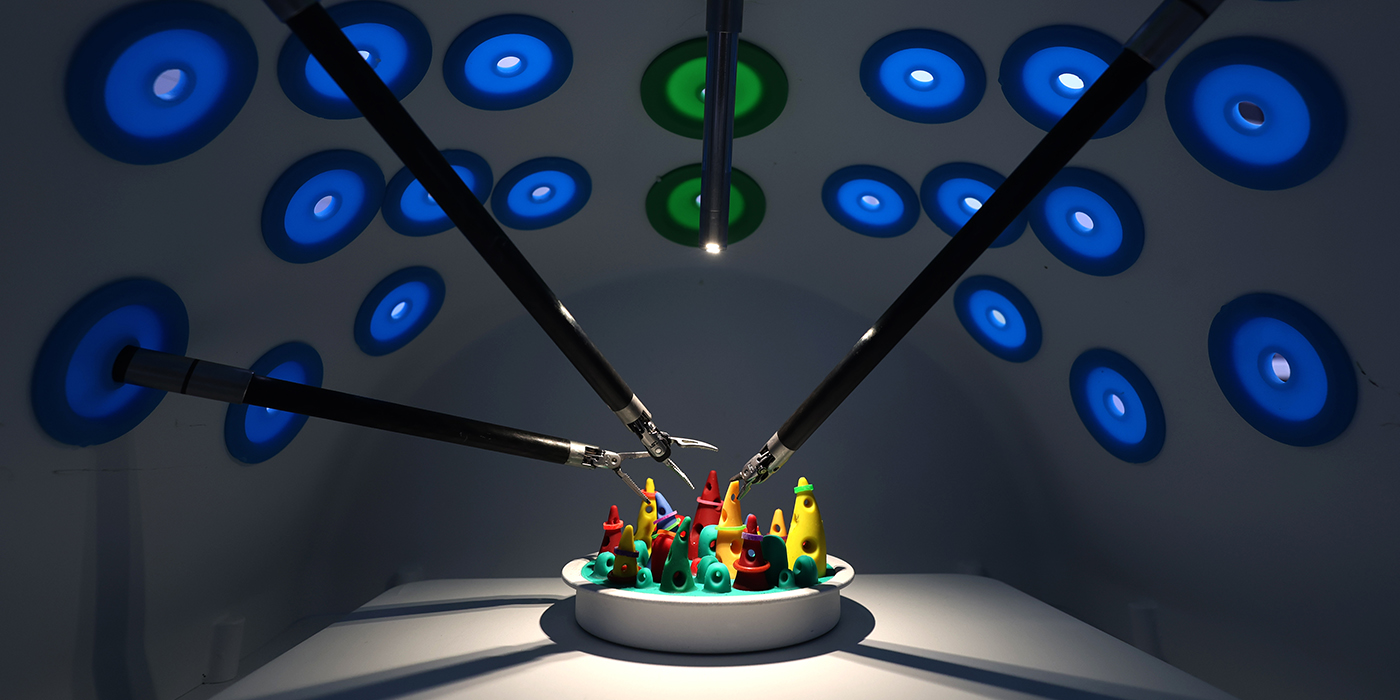
CUHK’s Multi-Scale Medical Robotics Center (MRC) is a trailblazer in bringing the worlds of medicine and engineering together. In collaboration with other world-leading institutes – plus visionary commercial partners – the MRC is further advancing minimally invasive, high precision surgical robotic technologies. It is also incubating affordable medical robots as pressure mounts for better patient care in hospitals in Hong Kong, the mainland and world.
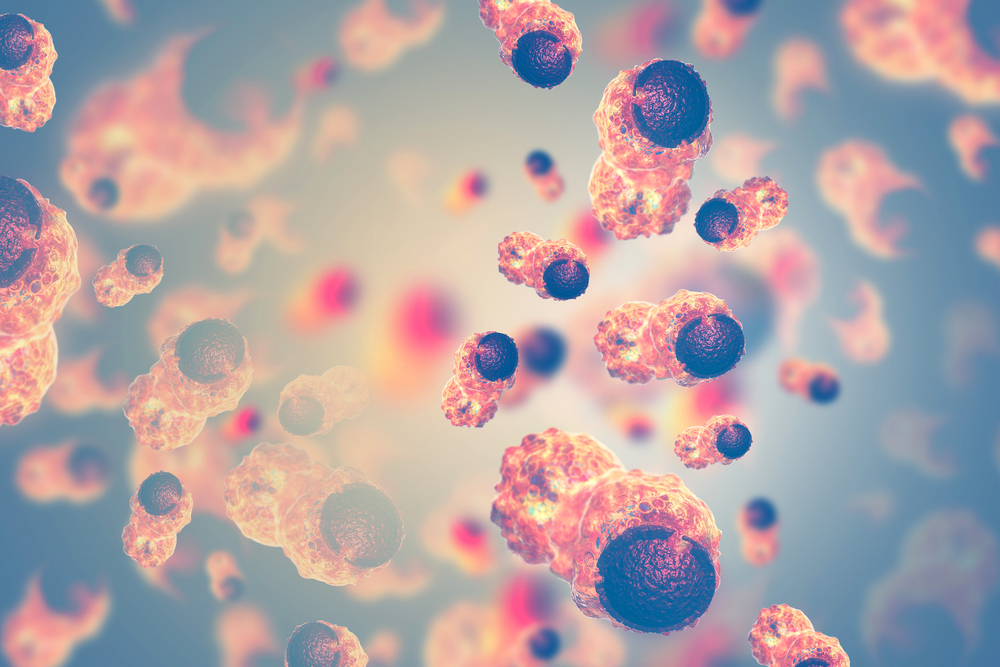
It might be commonplace, but the Epstein-Barr virus (EBV) can be deadly, causing several types of cancer, including nasopharyngeal carcinoma, one of Hong Kong’s most lethal. CUHK researchers have developed a groundbreaking mRNA-based drug that effectively makes cancer cells infected with EBV self-destruct. By selectively eliminating virally infected cancer cells, this innovative therapy could offer a more effective and gentler way to treat this challenging form of cancer.

Recent CUHK medical discoveries provide hope for patients battling a range of diseases. An international study helps with the fight against diabetes, potentially facilitating early intervention and changing clinical practice. The development of novel retrievable nanorobots for targeted and enhanced thrombolysis may save stroke patients from brain damage. And a study reveals antiviral drug tenofovir disoproxil fumarate increases fracture risk in elderly patients with chronic hepatitis B.

Cardiovascular disease, hypertension and diabetes are considered diseases of affluence – and now another potential candidate has been added to the list. Researchers from CUHK and APRU found a surprising correlation between per capita GDP and laryngeal cancer instance rates, which are alarmingly high in the Caribbean and Europe due to unhealthy lifestyles. In addition, women in Japan, Switzerland and the Czech Republic are defying the global trend to register an increasing number of cases.
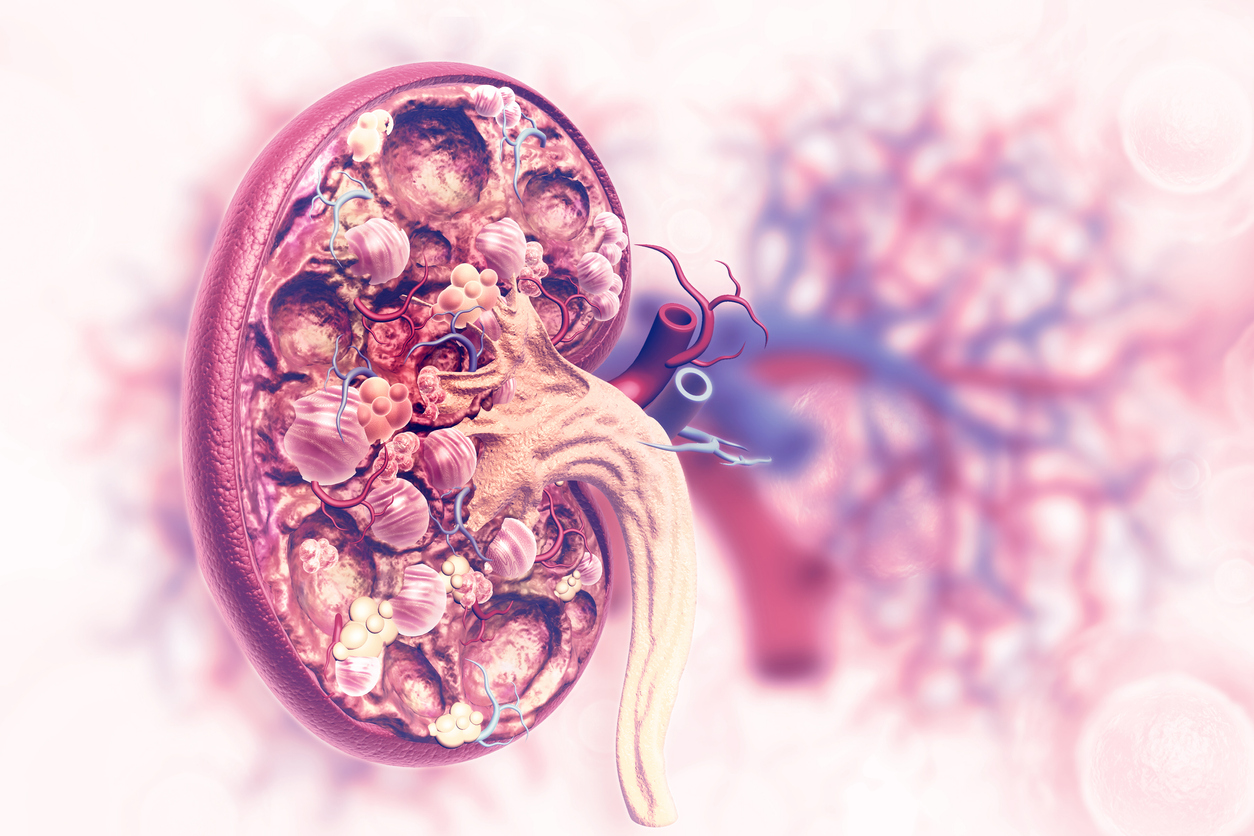
Dialysis is inconvenient and debilitating for millions of people worldwide with chronic kidney disease (CKD), with a major negative impact on their daily lives. Even worse, there are no treatments for the major marker of the condition, kidney fibrosis – meaning the root of the problem cannot be tackled. However, thanks to a CUHK research team, that could change: while searching for an effective gene therapy for the disease, they discovered something surprising – tiny particles of gold alone are capable of treating it. So far, they’ve proved it works in mice; now they’re working towards trialling it in people.
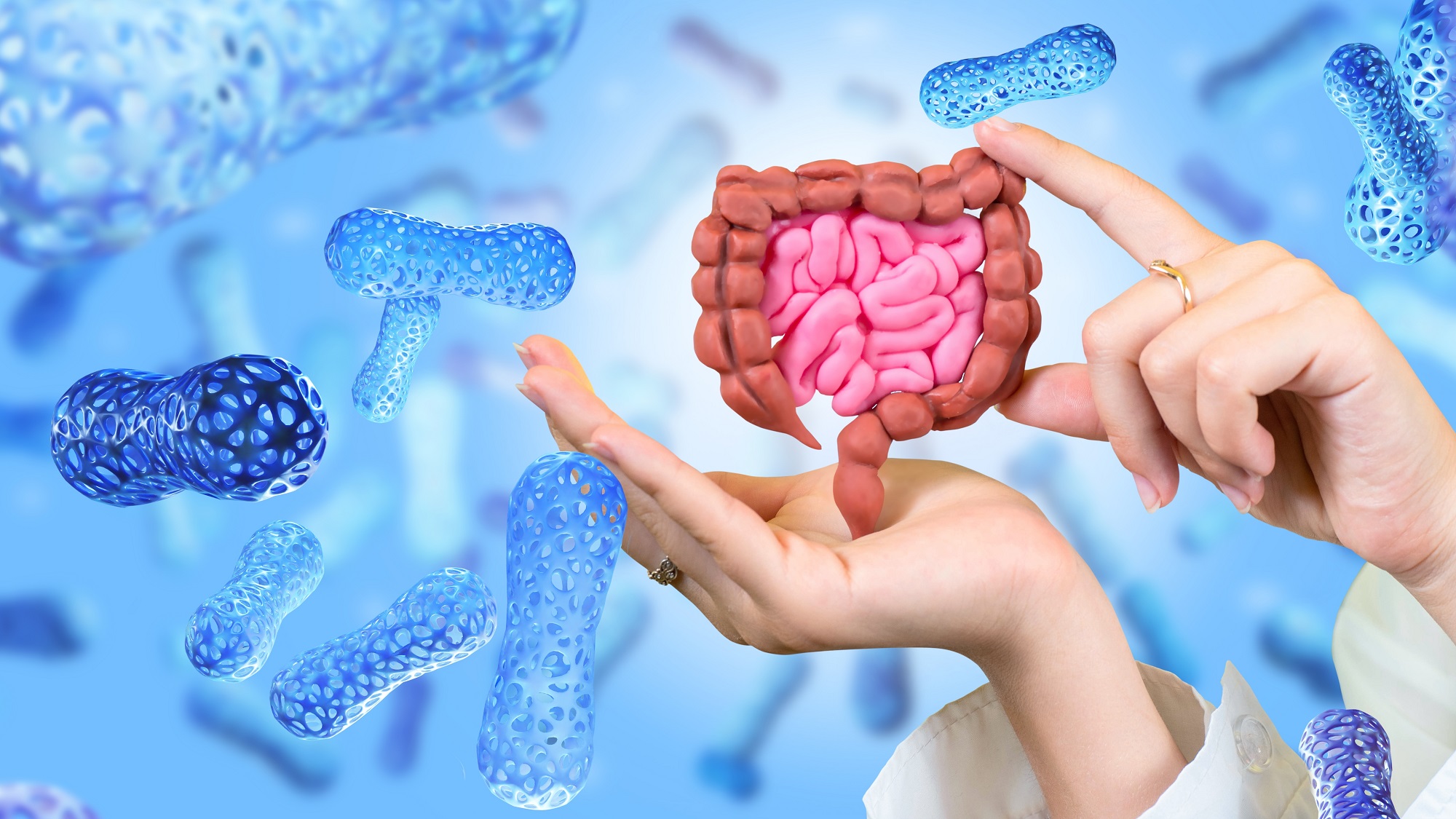
It might surprise you that our immune systems have a memory, and it is crucial in our battle against diseases like COVID-19. The secret of improving this memory might be living inside you already. A research team from CUHK’s Faculty of Medicine has discovered the critical role that certain gut bacteria can play in lengthening the duration of immune responses to COVID-19 vaccines. The problem is, not everyone has them. As a result, they’ve come up with a supplement containing the beneficial bacteria, and demonstrated how effective it can be in boosting immunity. Now they’re looking at what our gut microbiome can do to protect us from other diseases.
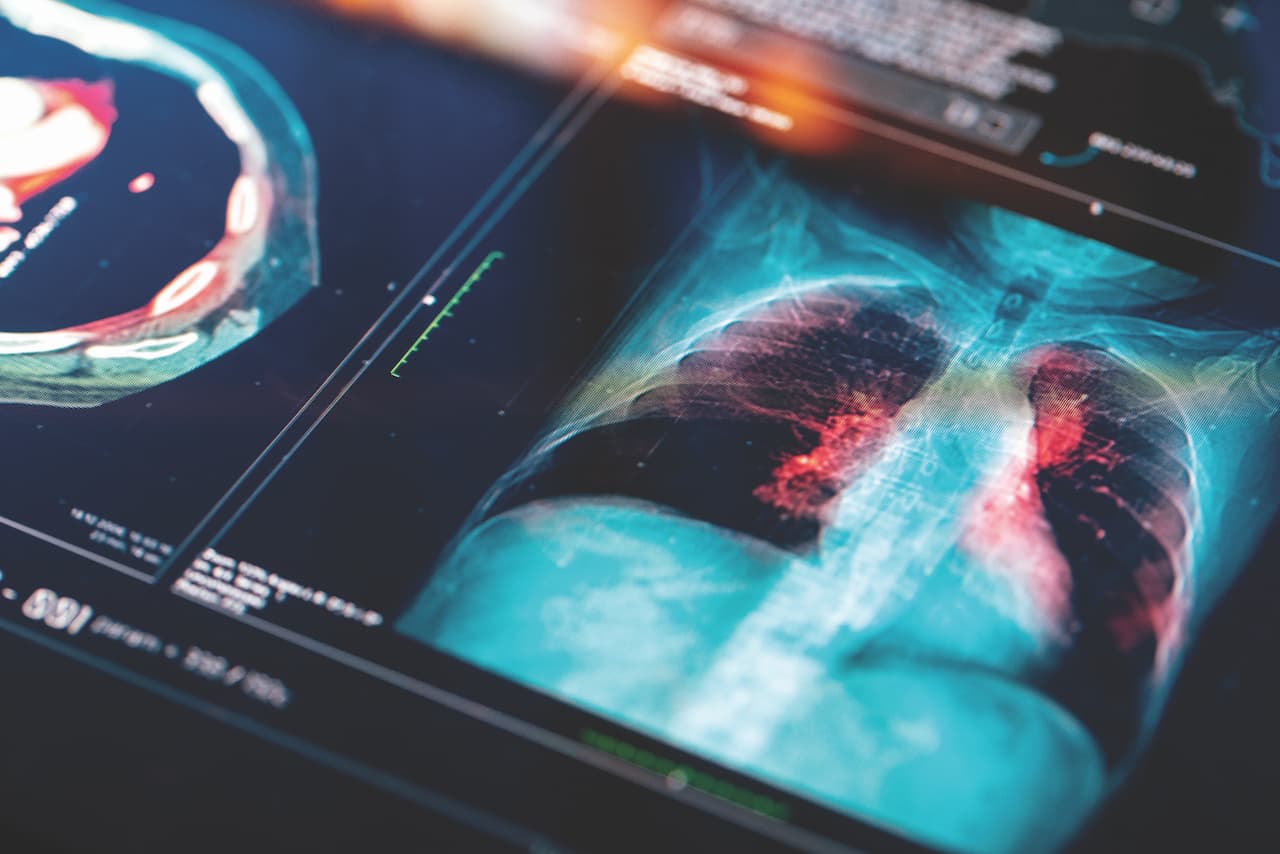
The CUHK research group led by Professor Tony Mok Shu-kam has decoded the common mutated genes in lung cancer and developed targeted therapies that have successfully increased patients’ lifespans. These innovative therapies redefined global paradigms in lung cancer treatment, providing patients with fresh hope. Professor Mok has established himself as one of the leading oncologists of the world, with his work on targeted EGFR inhibitors marking a significant milestone in the use of immunotherapy.
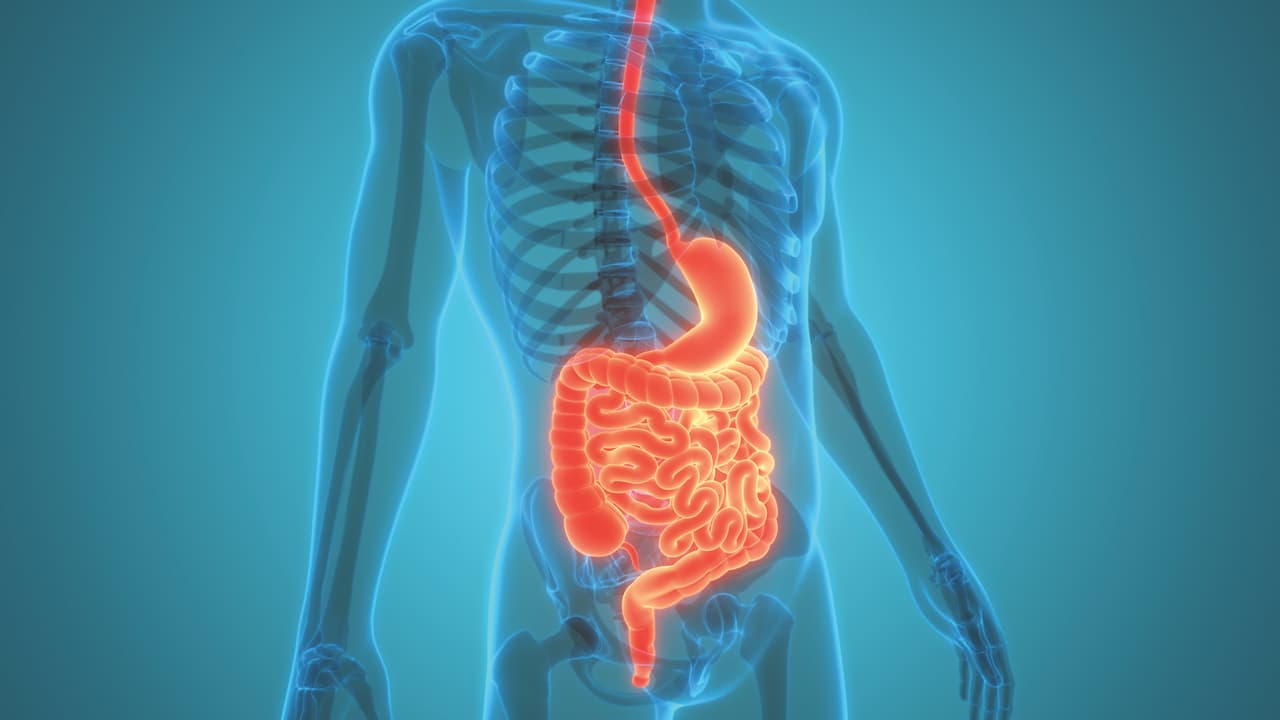
Cancers of the stomach, colon and liver are among the top causes of death globally. CUHK’s world-leading multi-disciplinary research in gastroenterology and hepatology has helped save countless lives by revolutionising early detection of gastrointestinal cancers, fatty liver disease and liver cancer. Breakthroughs in this field by Professor Jun Yu, Director of both the Institute of Digestive Disease and the State Key Laboratory of Digestive Disease at CUHK, have already been translated into clinical applications across China and Southeast Asia.
Painful, debilitating and potentially dangerous: treating cancer metastases in the lungs through conventional methods is fraught with challenges. A new treatment, however, promises to revolutionise the process by using a remote, robotically controlled system to deliver a catheter into delicate areas of the lungs, where it can destroy the cancer cells precisely and effectively using microwave energy. Entirely non-invasive and in most cases pain-free, the system has delivered impressive results in early trials, successfully treating several patients with multiple lung metastases.
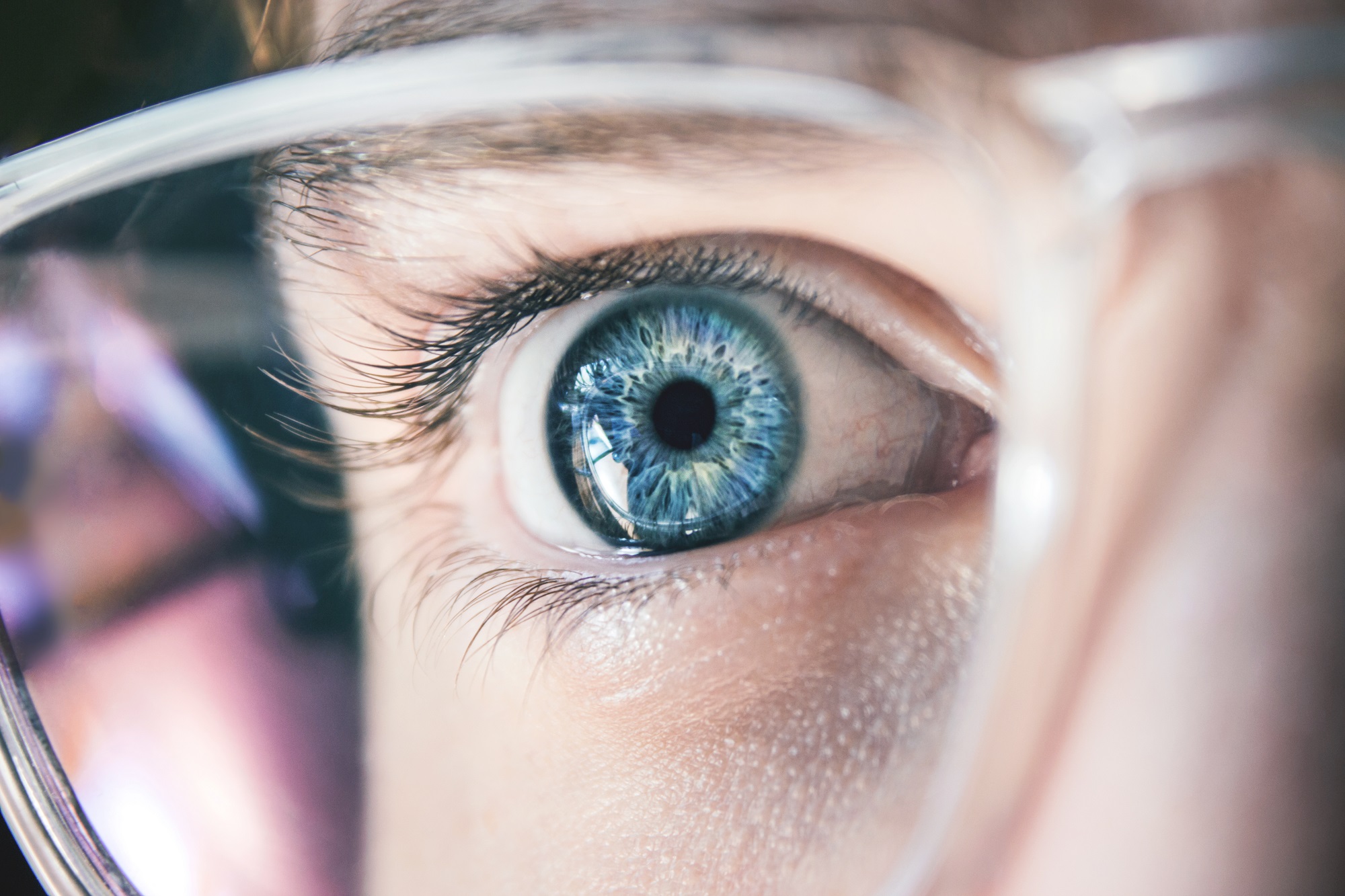
In today’s digital age, children spend most of the time glued to their devices, so the risk of them developing myopia is skyrocketing. Once the condition has kicked in, there’s no way of reversing it – and it can lead to all sorts of more serious eye problems. A new CUHK study demonstrates that giving children eyedrops featuring low concentrations of common anti-myopia medication atropine can prevent the condition from developing in the first place.

Maybe you are one of the victims of a debilitating gastrointestinal disease, like gastric acid reflux or pathogen H pylori. When you are suffering from those diseases, you might wonder how bacteria which causes peptic ulcers can survive the acidic environment in your stomach? Besides risky invasive surgeries treating gastric acid reflux, is there an easier way getting rid of heartburn? You may be inspired by two recent CUHK breakthroughs.
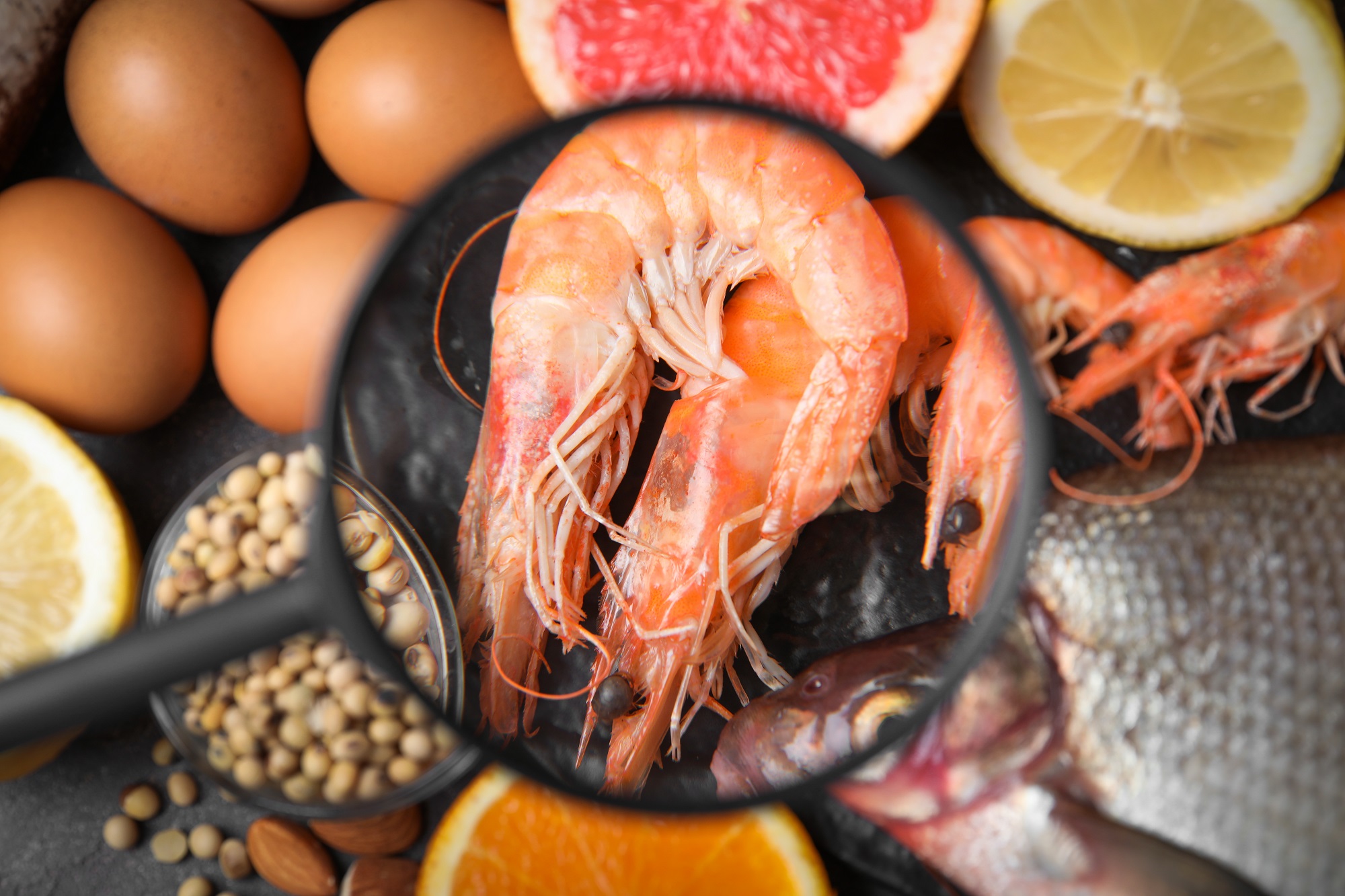
Shrimp is one of the most common food allergies in the world, and severe allergic reactions can be life-threatening. But there’s some good news: researchers from CUHK have successfully identified 11 allergens in shrimp, which could help diagnose allergies more accurately. It means that in the future, when someone suspects they’re allergic to shrimp, a component-based specific IgE antibody test could be able to help them.
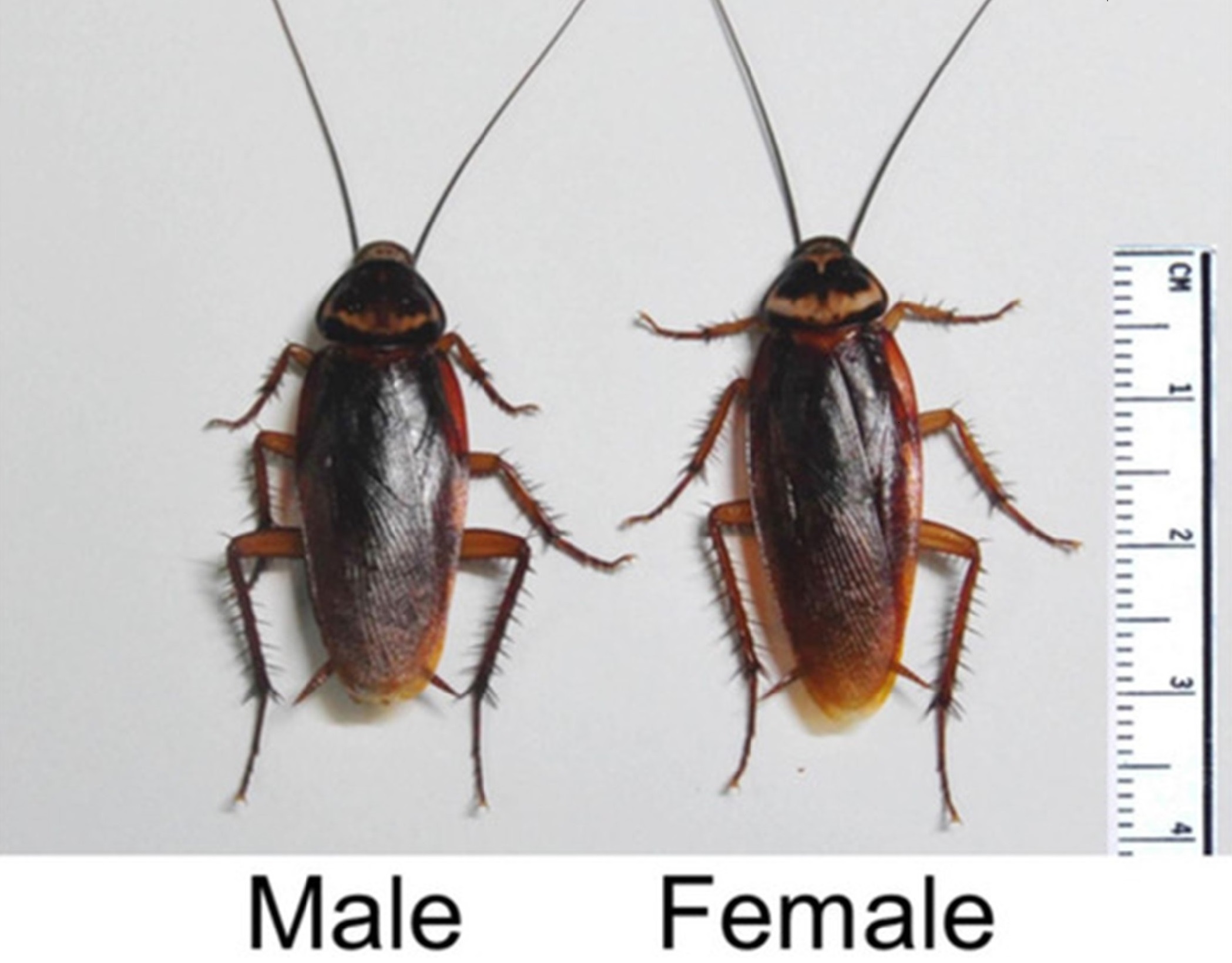
If you were to ask people which pest they hate the most, many would answer “cockroaches”, not only because of their unpleasant appearance but also because they can trigger allergic reactions such as asthma. Fortunately, a CUHK’s Faculty of Medicine team is producing the world’s most comprehensive genome profile of the American cockroach, aiding future diagnosis of cockroach allergy.
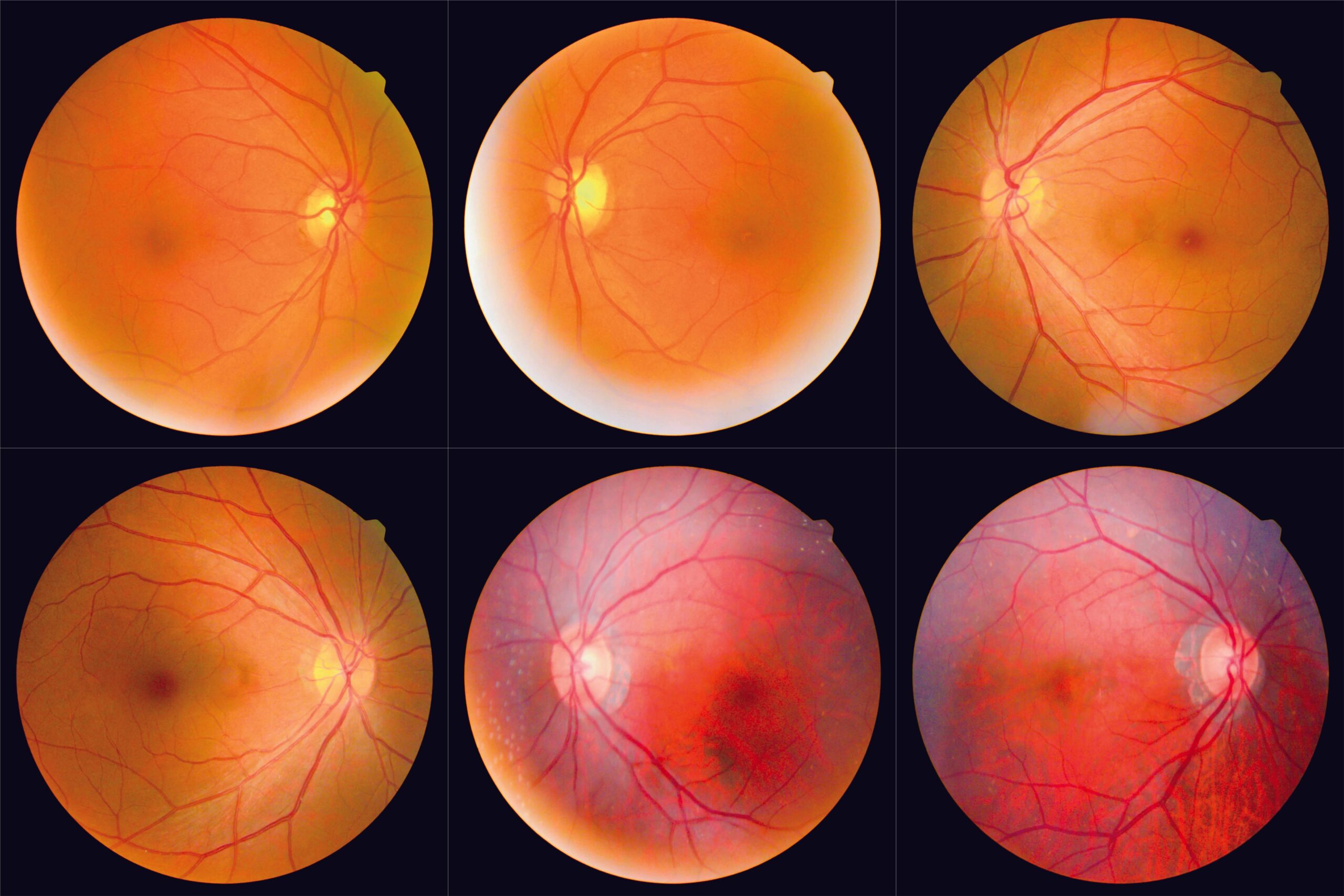
We all love to take photos, whether it’s to capture a special moment or to immortalise some beautiful scenery. Taking photos can also have far more serious purposes, though: for example, photos of your eyes can be used to detect Alzheimer’s disease. CUHK’s Faculty of Medicine has developed the world’s first AI model that can detect the disease solely through so-called fundus photographs: images of the retina.