





As humanity turns its gaze back to lunar exploration, a CUHK-UCLA study suggests the Moon’s surface may have been far more dynamic than previously thought. Tiny volcanic glass beads brought back by Apollo 17 were not inert relics of ancient eruptions; instead, they continued to release gases long after landing, offering new insight into the Moon’s interior, volatile cycle and possible contribution to polar ice formation.

Life finds a way – but exactly how long does it take? Until recently, scientists had little clue why vegetation can take anywhere from a few years to a century to recover after thaw slumps – greenery-destroying landslides triggered when climate change thaws permafrost. Thanks to a new CUHK study, however, recovery time can now be predicted with striking accuracy.

Minuscule seeds might sound like unusual candidates for space travel. But they were recently put aboard a spaceship and sent soaring into space. The unique environment of space can induce genetic mutations in seeds, some of which may benefit crop growth. In May, CUHK Professor Lam Hon-Ming sent specimens of rhizobia (bacteria that partner with soybeans to fix nitrogen) into space on the Tianzhou-6 cargo spacecraft followed by soybean cultivars on the Shenzhou-16 crewed spacecraft. This is the first Hong Kong agricultural research project launched into space, opening a new chapter for the integration of aerospace and agricultural technology.
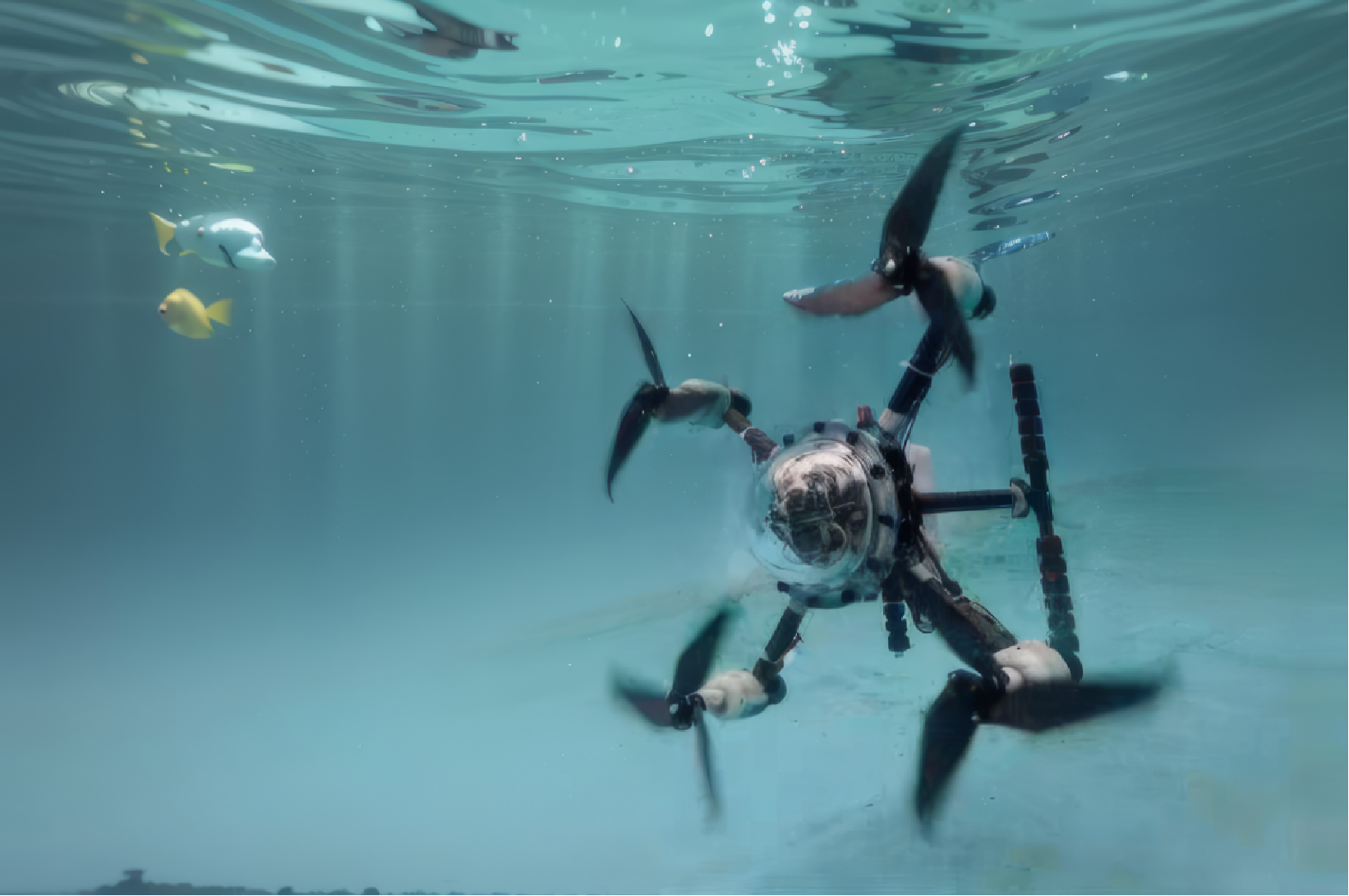
Take a quick look at the TJ-FlyingFish, and you might think it’s a typical quadcopter drone. Watch it in action, though, and you’ll discover it’s an amphibious drone, equally at home in the air and under the water, is capable of moving seamlessly between the two, and can operate entirely autonomously in both environments. The new drone, jointly invented by CUHK Professor Ben M. Chen and his research team, promises to revolutionise a range of tasks, from surveying to remote sensing to search and rescue.
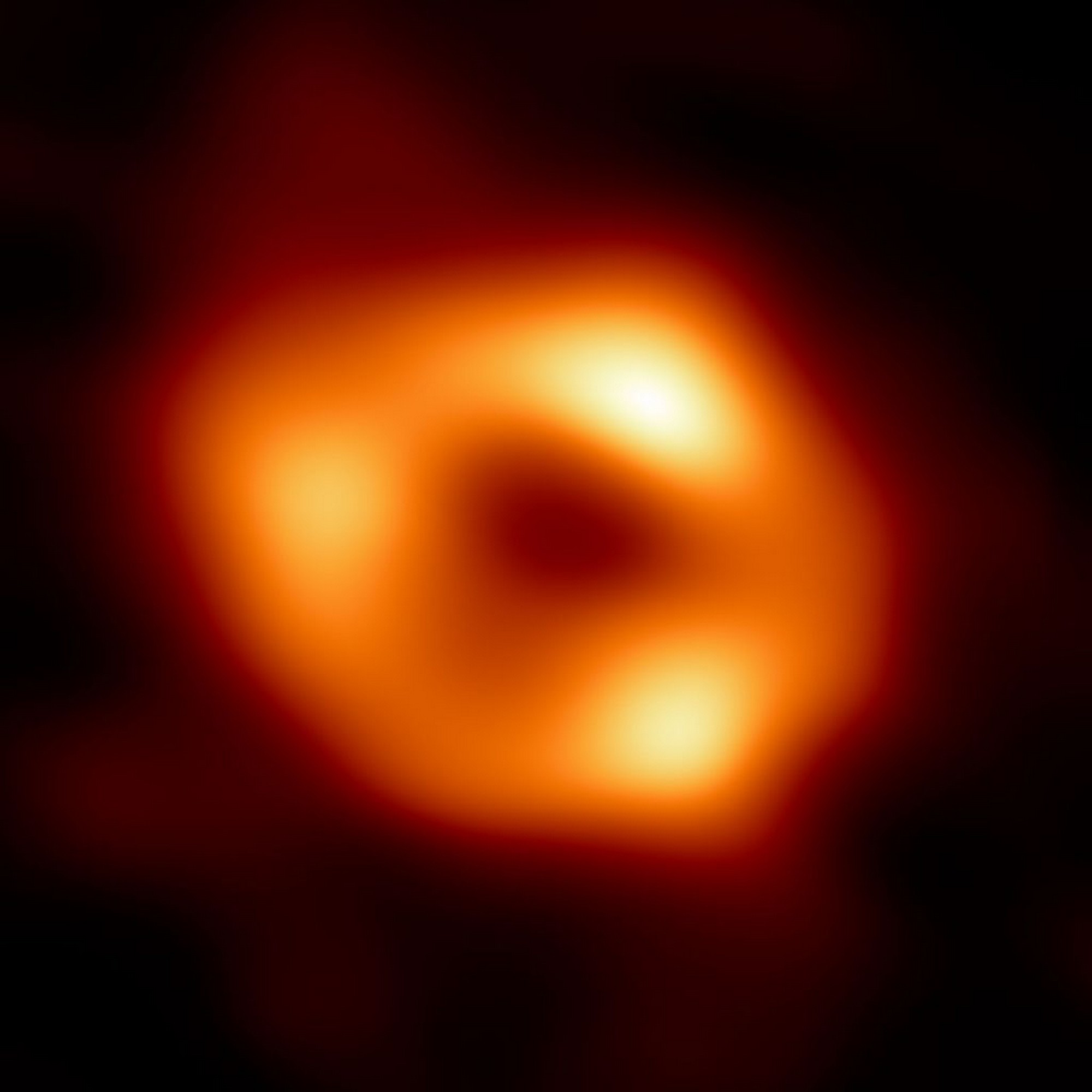
After five years of effort, the first image of Sagittarius A*, 26,000 light-years away at the centre of the Milky Way, produced by the Event Horizon Telescope, has proved it to be a supermassive black hole. A CUHK scholar and a student from the Department of Physics are Hong Kong’s only participants in the team and have studied the simulation of gas movement and the mechanism of infalling gas around the black hole using supercomputers to help unravel the mystery of black holes.
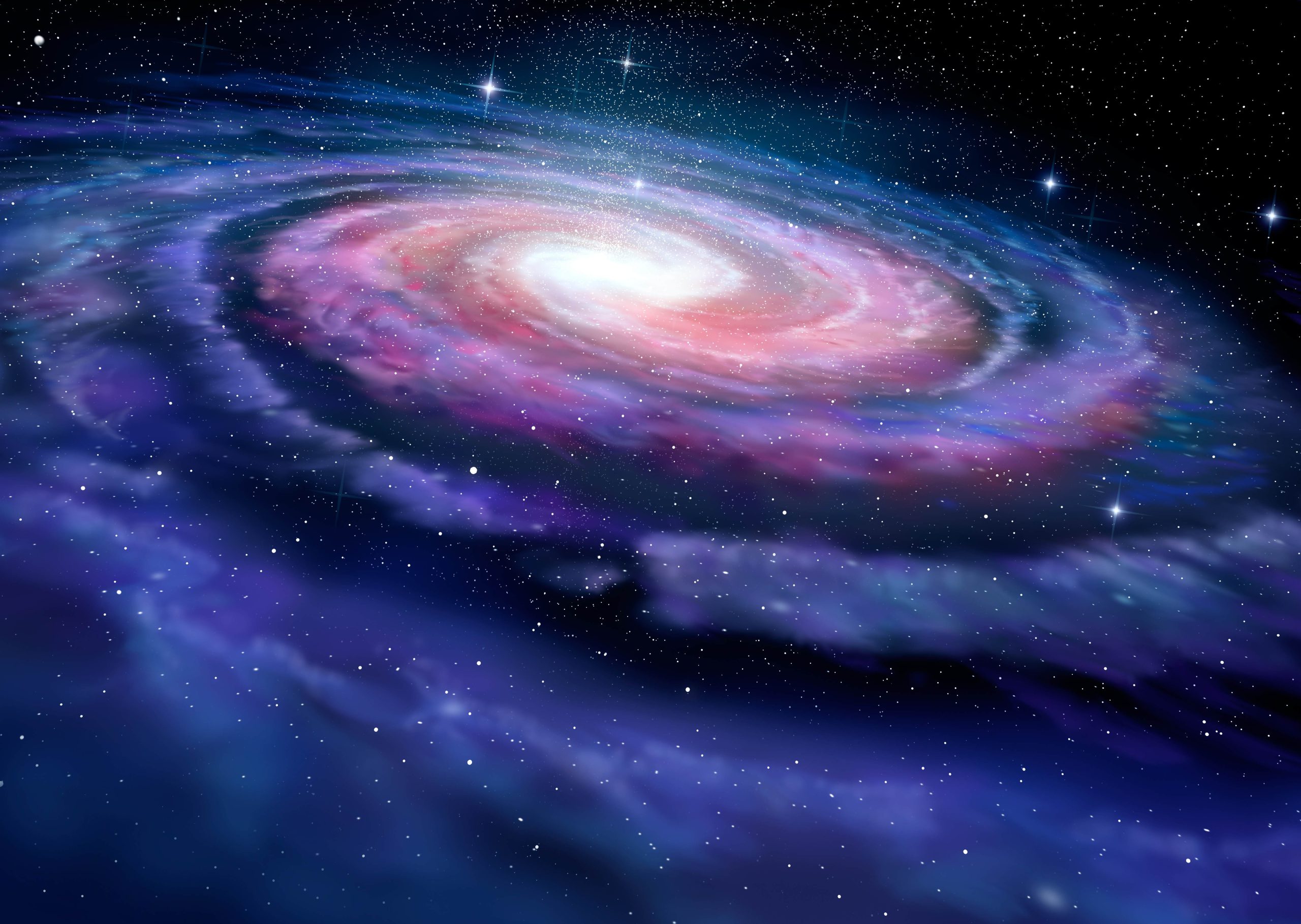
The birth of the universe is always a mystery, as are its stars and galaxies. A CUHK professor has played key roles in an international astronomers’ 6-year project to produce maps of 10,000 galaxies using a new fibre-bundling technology while also collecting data on 24,000 stars in the Milky Way to help assess star populations in more distant galaxies light years away.
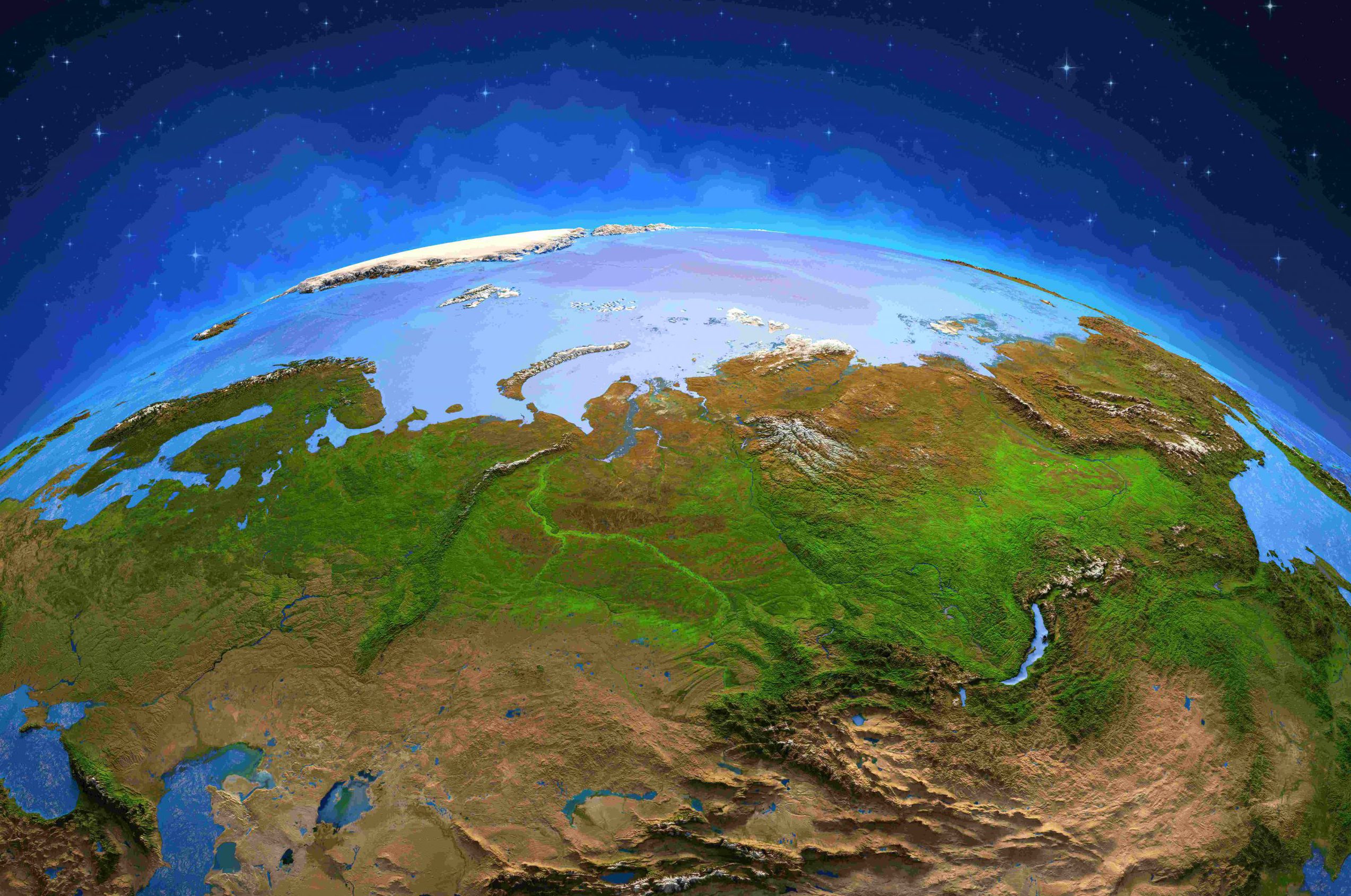
Current technology like satellite remote sensing is sharper and faster than the human eye in studying earth terrain for climate change effects but limited in detecting changes to landscape from massive and vast permafrost thawing. A CUHK geophysicist has developed an AI tool “DeepThaw”, a unique algorithm fed by massive numbers of satellite images to detect destabilised slopes over a wide area automatically to address the risk our cryosphere is facing.
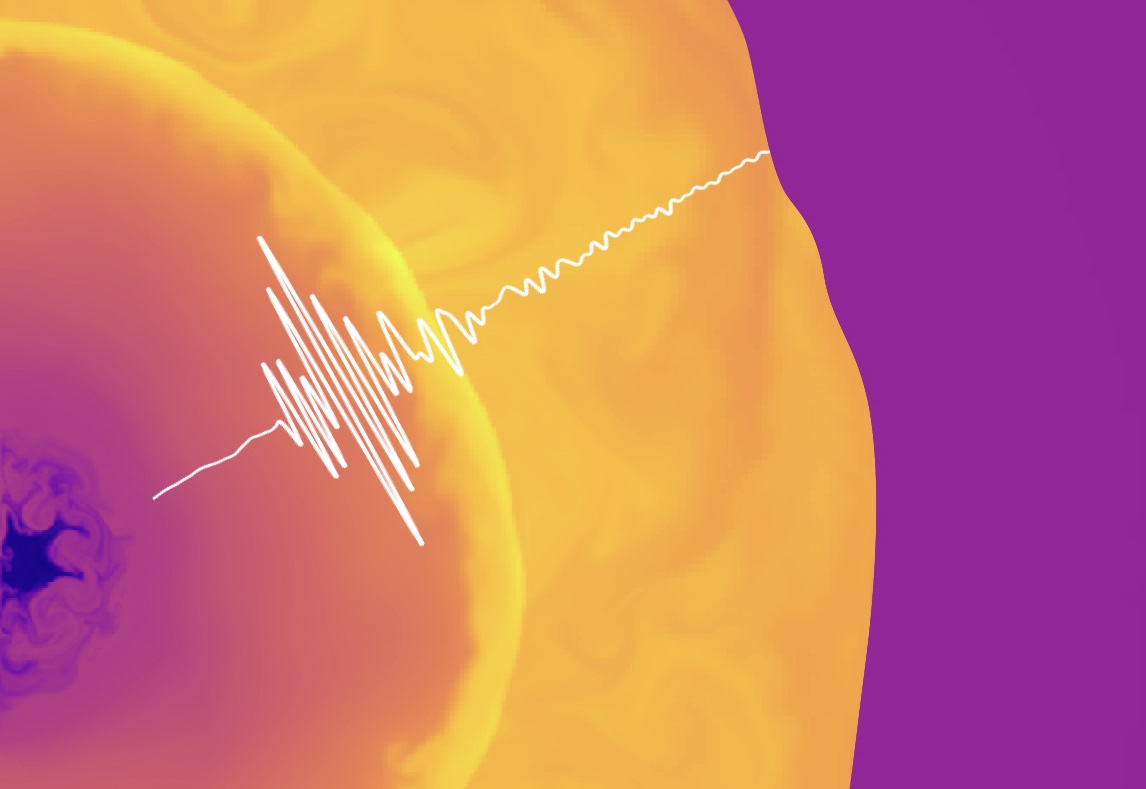
Travelling from the core of collapsing stars, newly detected gravitational waves may tell us about the meltdown which leads to these massive supernovas. Thrust into the universe from the explosions of dying stars, their ashes give birth to new worlds, so understanding supernovas is a step to ultimately understanding our origins.