





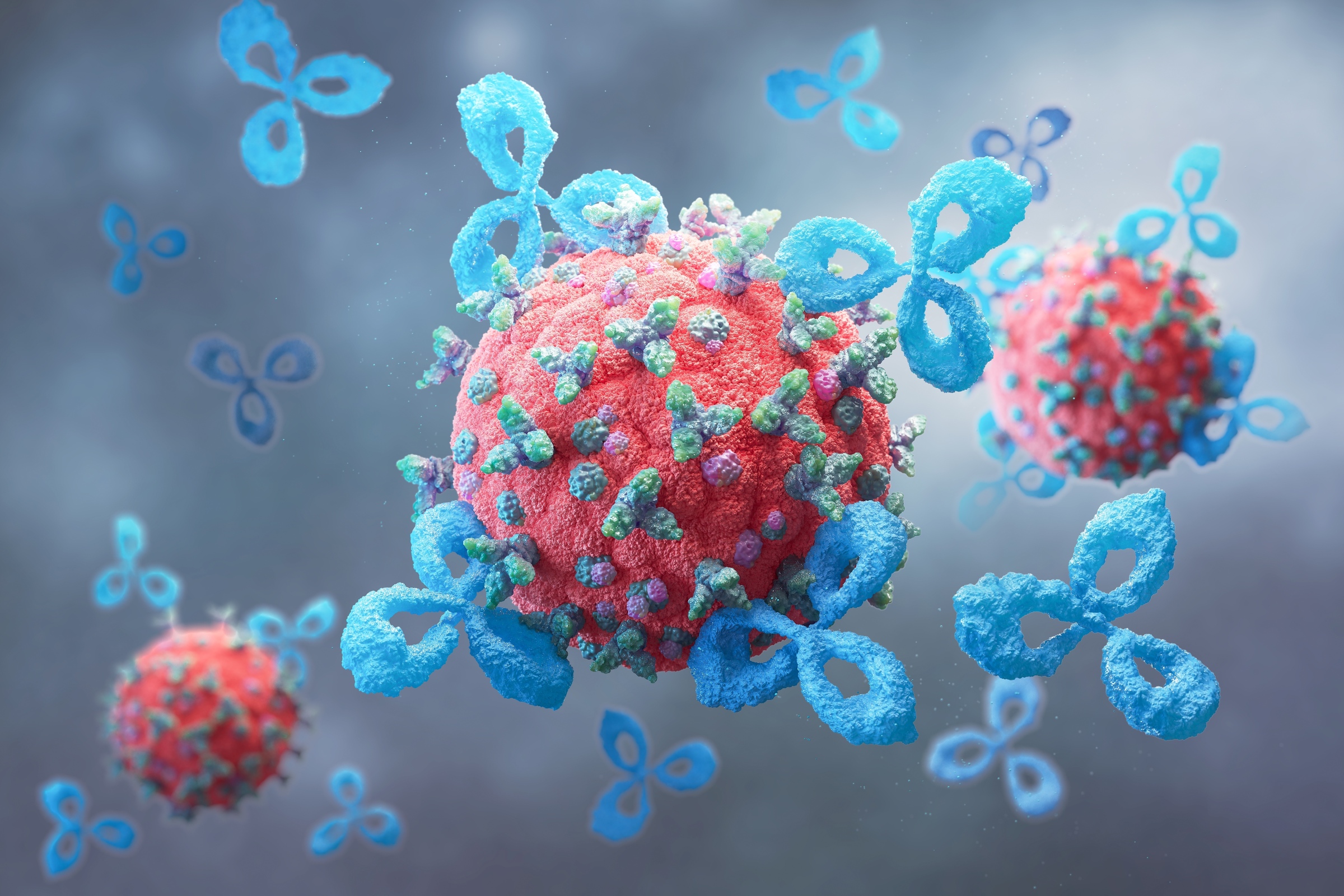
Picture a swarm of microscopic warriors – virus-like nanofibres – storming a breast tumour like a fortress, armed with oxygen and laser precision. Developed by a brilliant team at CUHK, these nanofibres can find breast tumours, produce oxygen, and help destroy cancer with light. In mouse studies, they made tumours shrink quickly, even in areas where current treatments often fail. This breakthrough could defy the limit of traditional therapies and spark a wildfire of hope for more targeted, less harmful cancer therapies.

When we interact with the world around us, it might feel simple and instinctive – but it happens because of an incredibly complicated physical process. LIMER, a new technology from CUHK, has uncovered the role in that process of the endoplasmic reticulum, a key component of our cells. It’s a discovery that opens up an exciting possibility – potential treatments for the many diseases that can develop when our cells’ response mechanism goes awry.
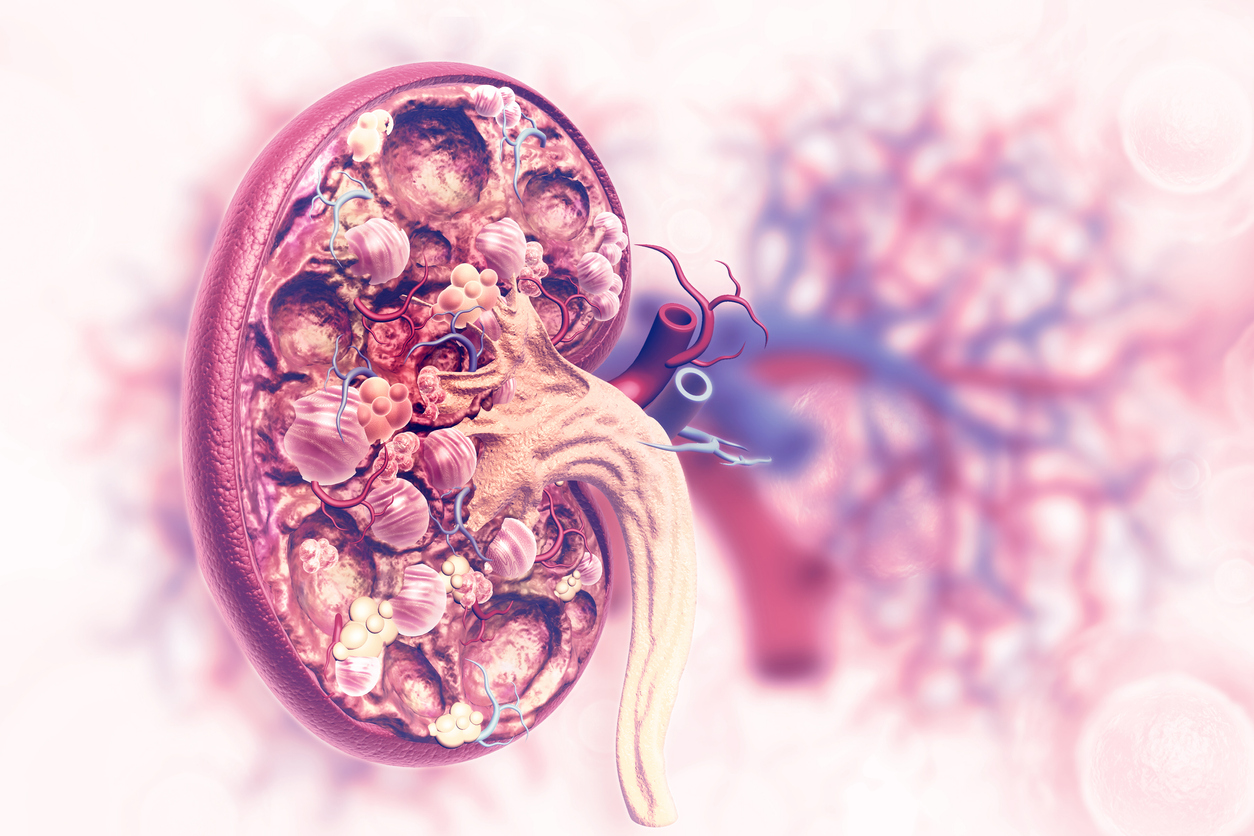
Dialysis is inconvenient and debilitating for millions of people worldwide with chronic kidney disease (CKD), with a major negative impact on their daily lives. Even worse, there are no treatments for the major marker of the condition, kidney fibrosis – meaning the root of the problem cannot be tackled. However, thanks to a CUHK research team, that could change: while searching for an effective gene therapy for the disease, they discovered something surprising – tiny particles of gold alone are capable of treating it. So far, they’ve proved it works in mice; now they’re working towards trialling it in people.
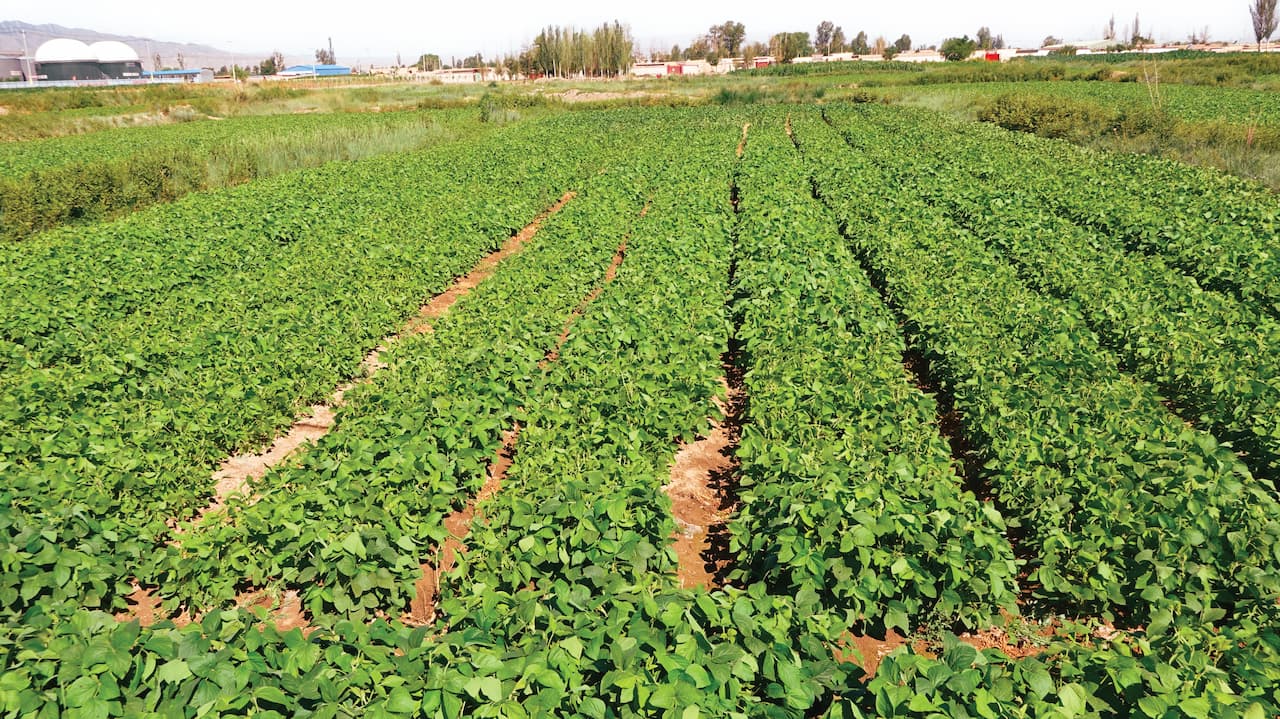
The UN Sustainable Development Goals (SDGs) are an important framework for CUHK to organise its research enterprise. Life Sciences Professor Lam Hon-ming’s research into climate smart soybean cultivation on marginal land is impacting multiple SDGs – from ending hunger, to improving nutrition and food security, to halting and reversing climate change, restoring degraded land and promoting gender equality. As Director of the State Key Laboratory of Agrobiotechnology at CUHK, he is also leading groundbreaking experiments in space.

Wearable artificial muscles offer the hope of recovery for people with devastating injuries and medical conditions. With ExoMuscle, Professor Raymond Tong Kai-yu from CUHK has come up with the most effective artificial muscle yet developed: twice as strong as human muscles, it could potentially be used to create a wearable exoskeleton, like something worn by super villain Doctor Octopus. ExoMuscle interprets signals from the muscles and brain through a unique interface that connects them with the bionic muscle.
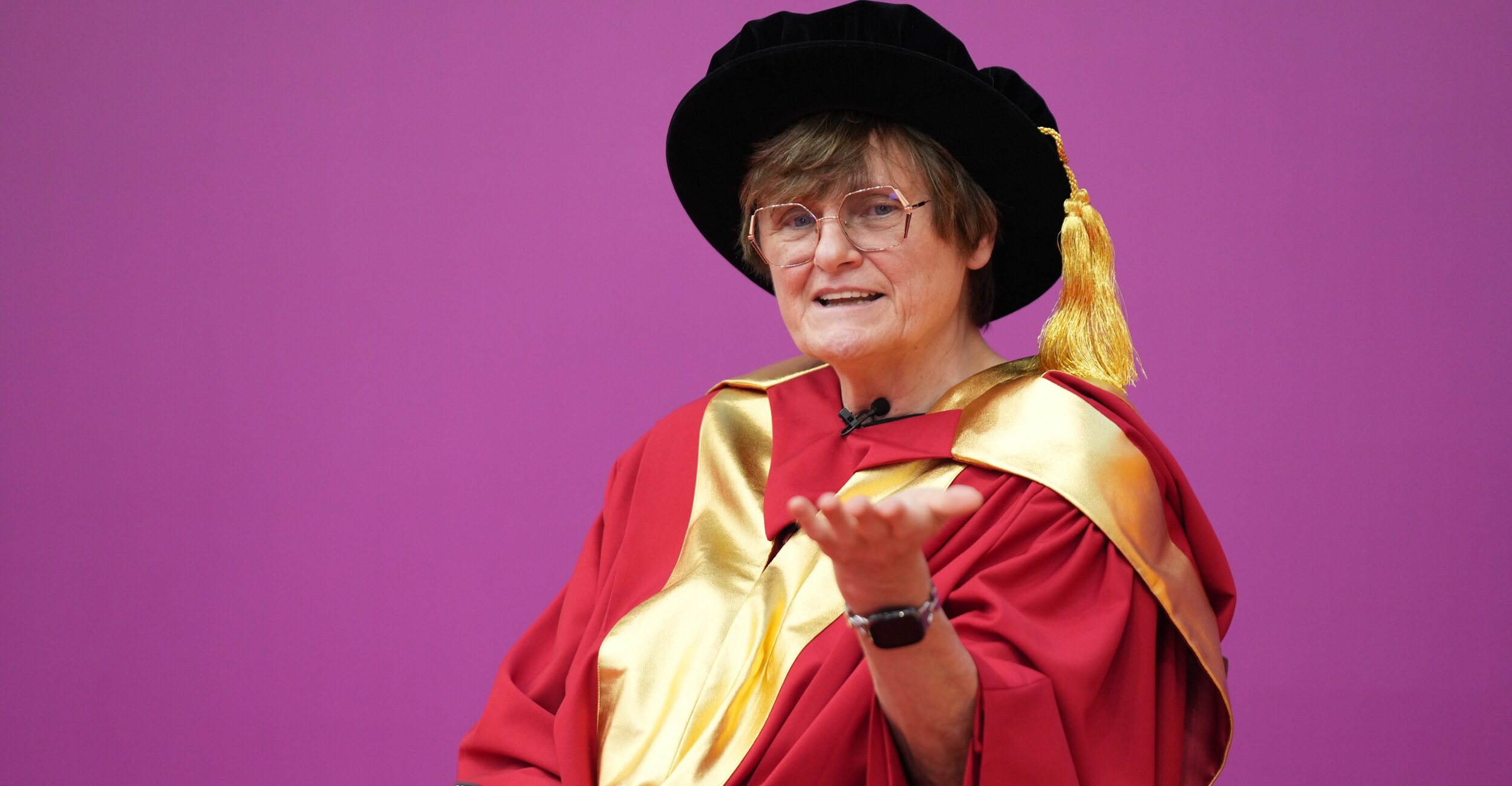
Professor Katalin Karikó’s story is a shining example of how the power of persistence can lead to discoveries that change the world. In the face of countless obstacles, she tenaciously pursued her vision of utilising mRNA for therapy for decades. Alongside Professor Drew Weissman, their research paved the way for the development of life-saving Covid vaccines. She embodies not only relentless pursuit of scientific knowledge, but also the hope to ignite passion and inspire young minds about the wonders of science.
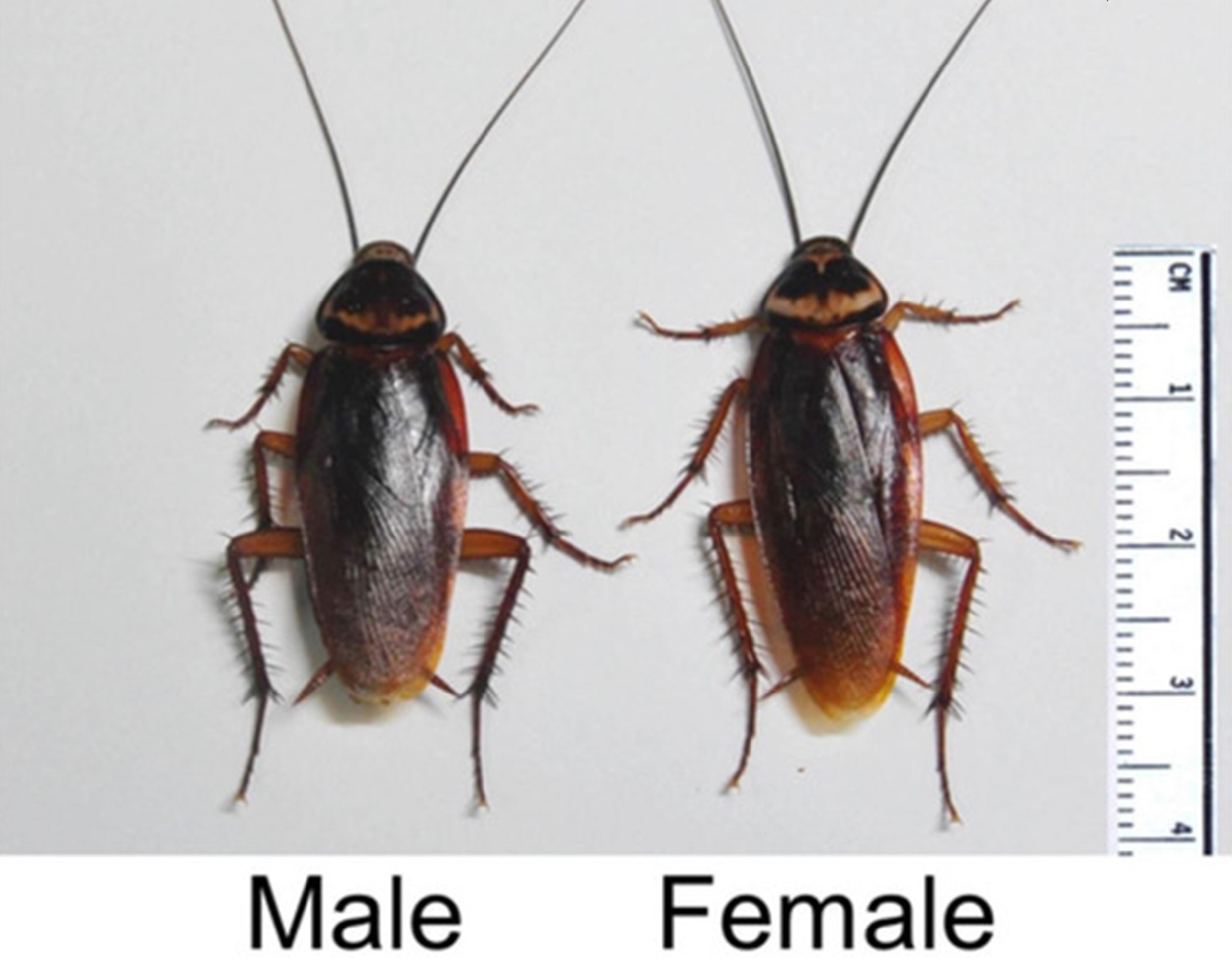
If you were to ask people which pest they hate the most, many would answer “cockroaches”, not only because of their unpleasant appearance but also because they can trigger allergic reactions such as asthma. Fortunately, a CUHK’s Faculty of Medicine team is producing the world’s most comprehensive genome profile of the American cockroach, aiding future diagnosis of cockroach allergy.
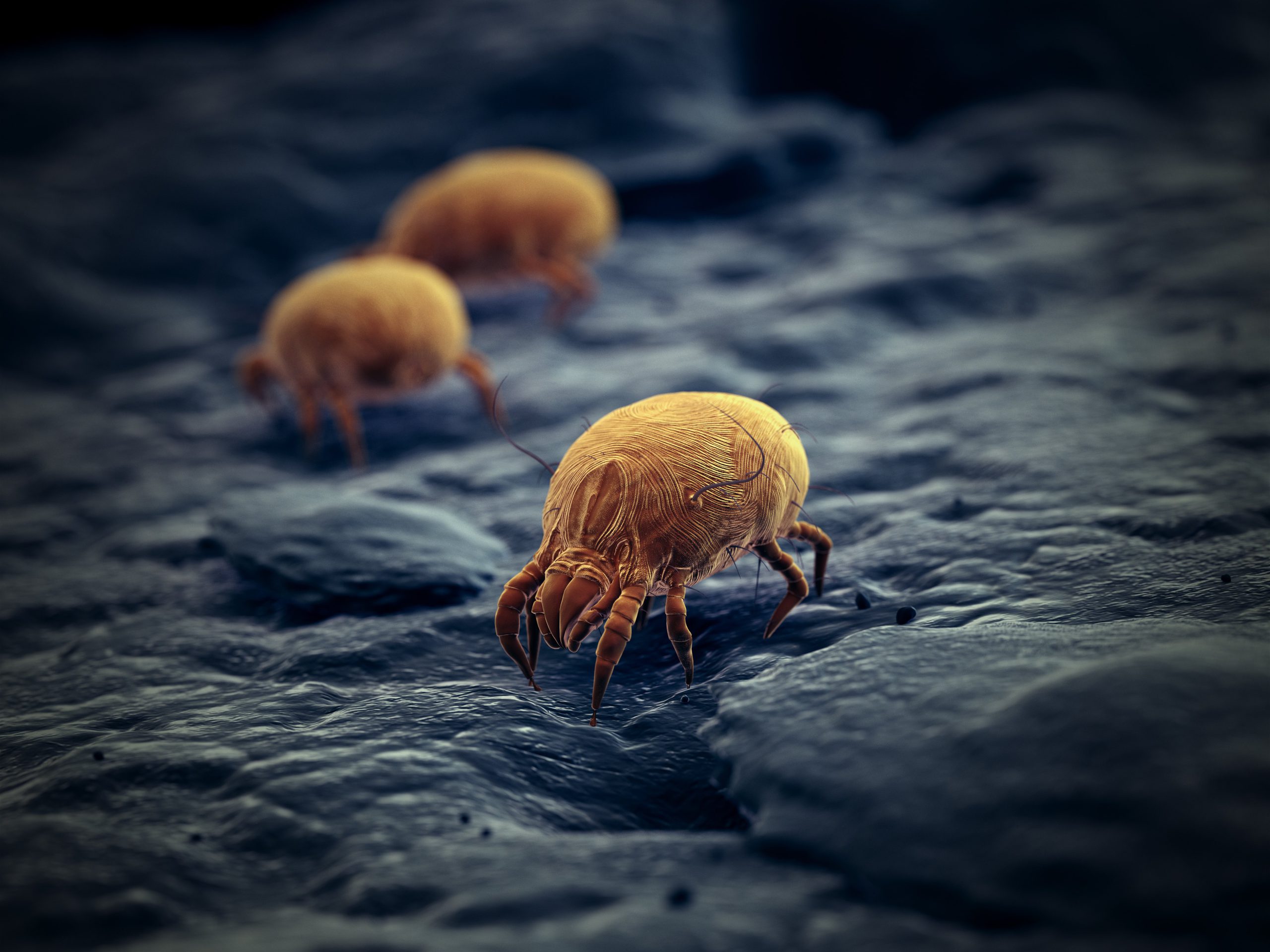
The bed you lie in, the food you eat - mites are everywhere. For people with mite allergy, they are devils causing itchy skins, shortness of breath, or even triggering severe diseases. Fortunately, a CUHK team has observed the unusual phenomenon on the evolution of astigmatic mites, laying the genomic groundwork for diagnosing and intervening in some dangerous human mite allergies.

Just as with the artifacts and heritage of the lost and legendary Incan city of Machu Picchu, many places in the world lost facets of their cultures which are worth reviving and restoring. As other historians and anthropologists have done, a fervent CUHK scientist, works hard and reinvigorates what was always with us, to successfully track down and replant lost local rice with a unique genome, returning it to its place of value in the community.

As the world warms, it poses a serious threat to the production yield of crops worldwide caused by widespread extreme weather such as drought and hot waves. A CUHK life sciences team has recently discovered a novel molecular mechanism underlying plants response to stress which provides a new understanding of how to improve the drought resistance of plants in bioengineering.
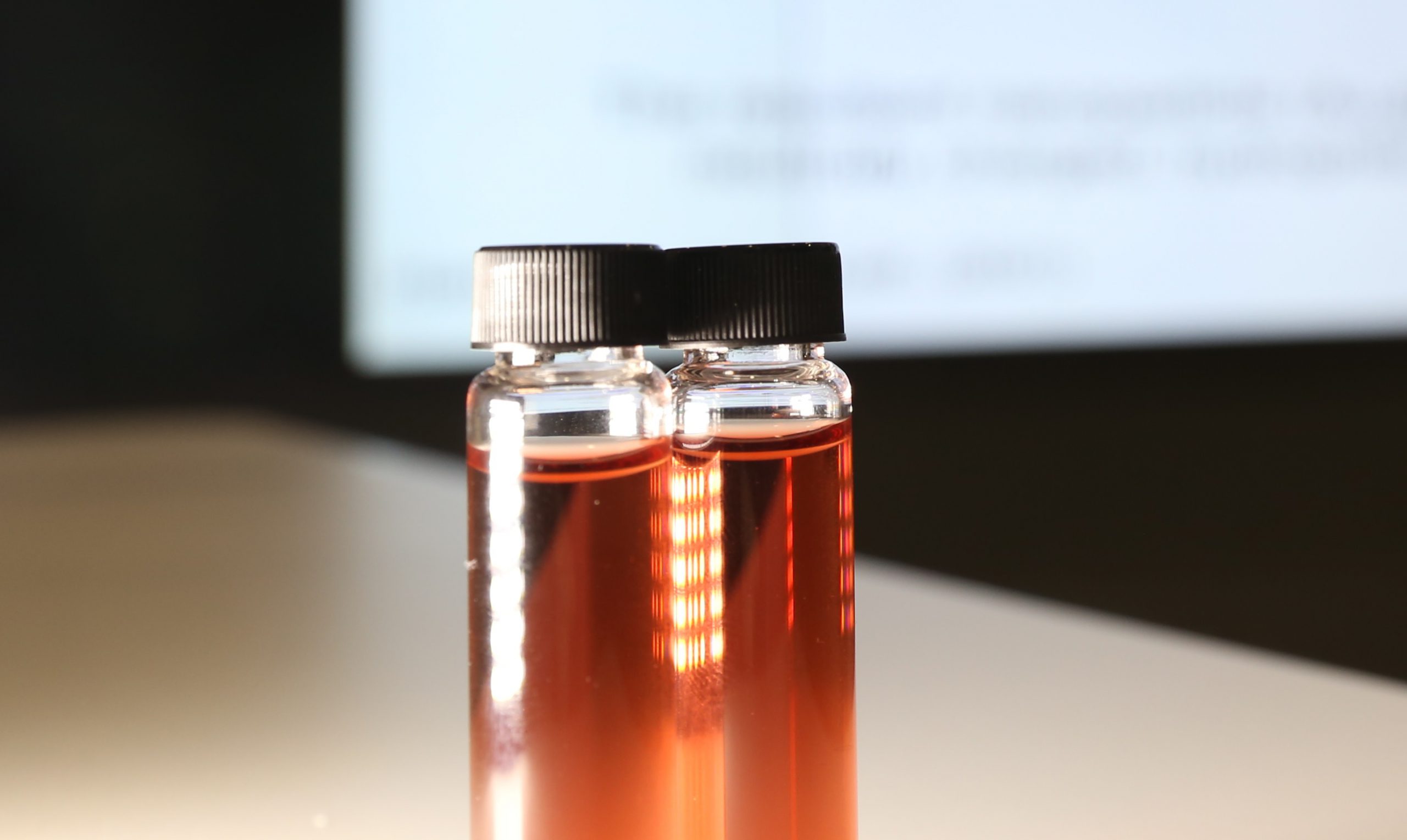
Gold is anti-inflammatory and has applications in the fields of jewelry, aviation, chemistry, and electronic circuit boards. Now researchers from CUHK Engineering have struck gold for psoriasis sufferers by developing a self-therapeutic gold nanoparticle that does not contain steroids and vitamin D analogs but has a similar effect, as proven in mice models. It was demonstrated that the gold nanoparticle could enter skin epidermal cells without causing hair loss and skin wrinkling.
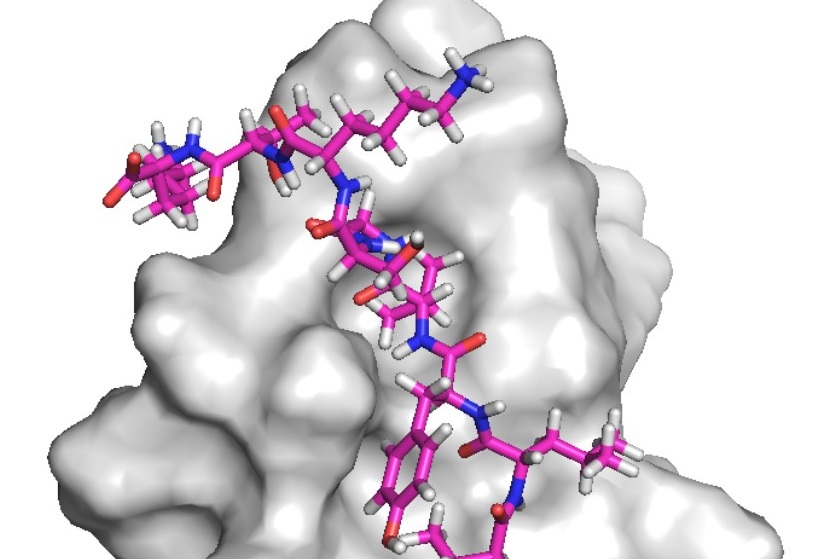
It began with a PhD student in a CUHK research team making a surprising discovery. A protein commonly found in humans can suppress the toxic protein in the brain that leads to loss of cognitive and motor functions. From this the team has developed a peptide inhibitor that can slow down deterioration in people with Parkinson’s disease and dementia.

Thanks to “Senzu”, an American shorthair, and joint CUHK-Japanese research, precision veterinary medicine will be driven forward. Advanced genomic technology has produced a genome that is much more complete and genetically resembles modern cats more than the one that was published in 2007 from an Abyssinian, “Cinnamon”.

The HK$5m Croucher Innovation Award to Engineer Professor Renjie Zhou’s programme brings closer a breakthrough in in vivo imaging technology which takes away the radiation risk from X rays in detecting eye diseases. His work on TPM aims for frequent scanning to catch eye degeneration early and monitor longer term disease.