





CUHK’s Condition_Lab has transformed a former structure in Kibera into the Amani Kibera Book House, a community-designed space for reading, learning, skills training and community life. Through its “slow architecture” approach, the project demonstrates how participatory design can strengthen dignity, agency and social sustainability. Supported by CUHK, the initiative connects research, teaching and practice while offering insights for global practice.

New CUHK research reveals mangroves’ critical role in removing global coastal nitrogen pollution, termed “blue nitrogen.” Published in Earth’s Future, the global study estimates mangroves eliminate 870,000 tonnes of nitrogen pollutants annually, representing an ecosystem service worth more than US$8.5 billion. The findings highlight mangroves as vital natural infrastructure for water purification, carbon storage and building resilient, sustainable coasts.
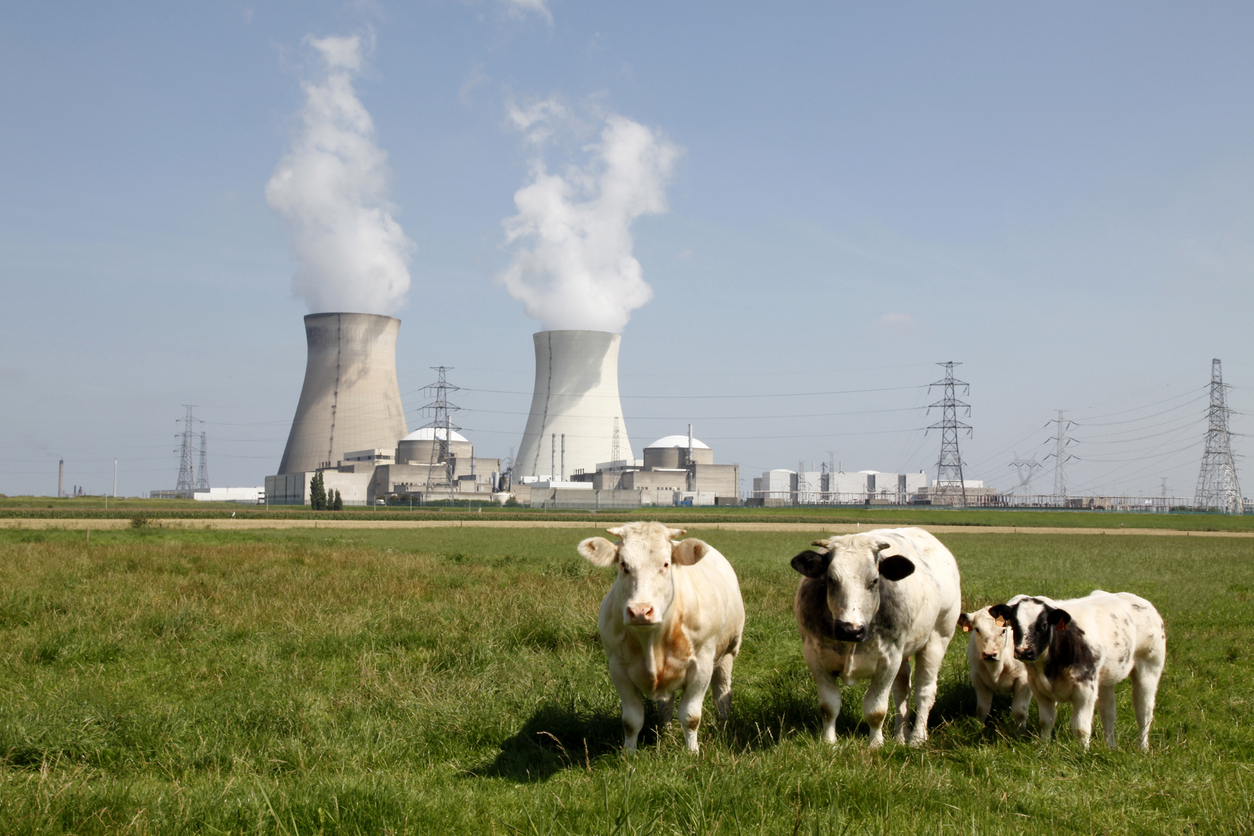
When you savor your favorite steak, you might not realise the hidden impact of your meal. According to CUHK, the rising meat consumption in mainland China is significantly worsening air pollution in less affluent regions. This is deepening the health and environmental divide between the rich and poor. So, your dietary choices are not just about taste—they’re influencing the air quality and lives of many others!
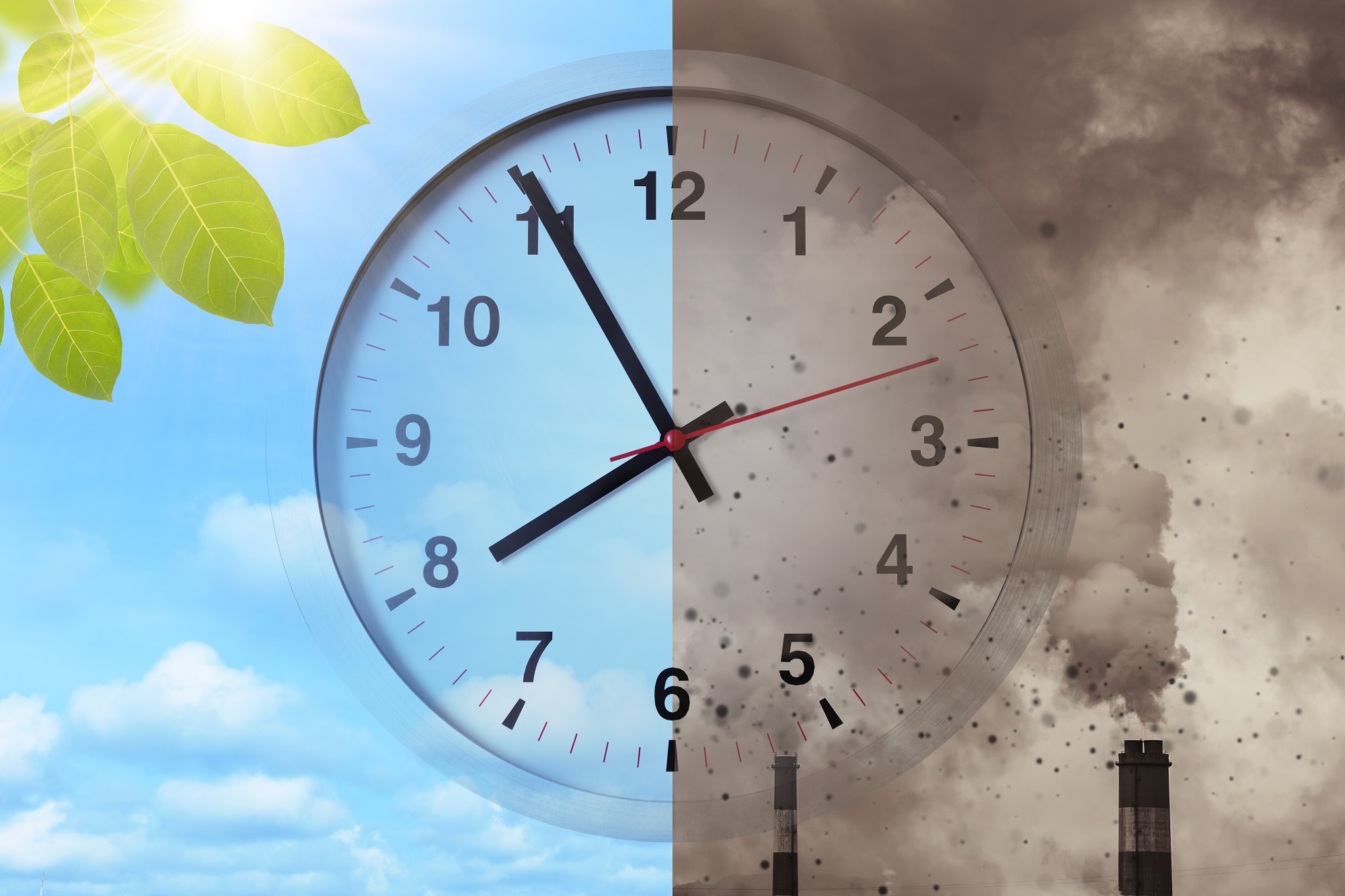
Tick-tock, tick-tock: the climate clock is making an alarming sound, counting down the amount of time we have left to save the earth. Scorching heat and potentially devastating flooding are both on the rise. Two recent CUHK studies have explored what we can do about that: while one is helping the authorities map floods and take contingency measures, the other predicts an ever hotter future, and suggests ways we can mitigate the heat’s most debilitating effects.
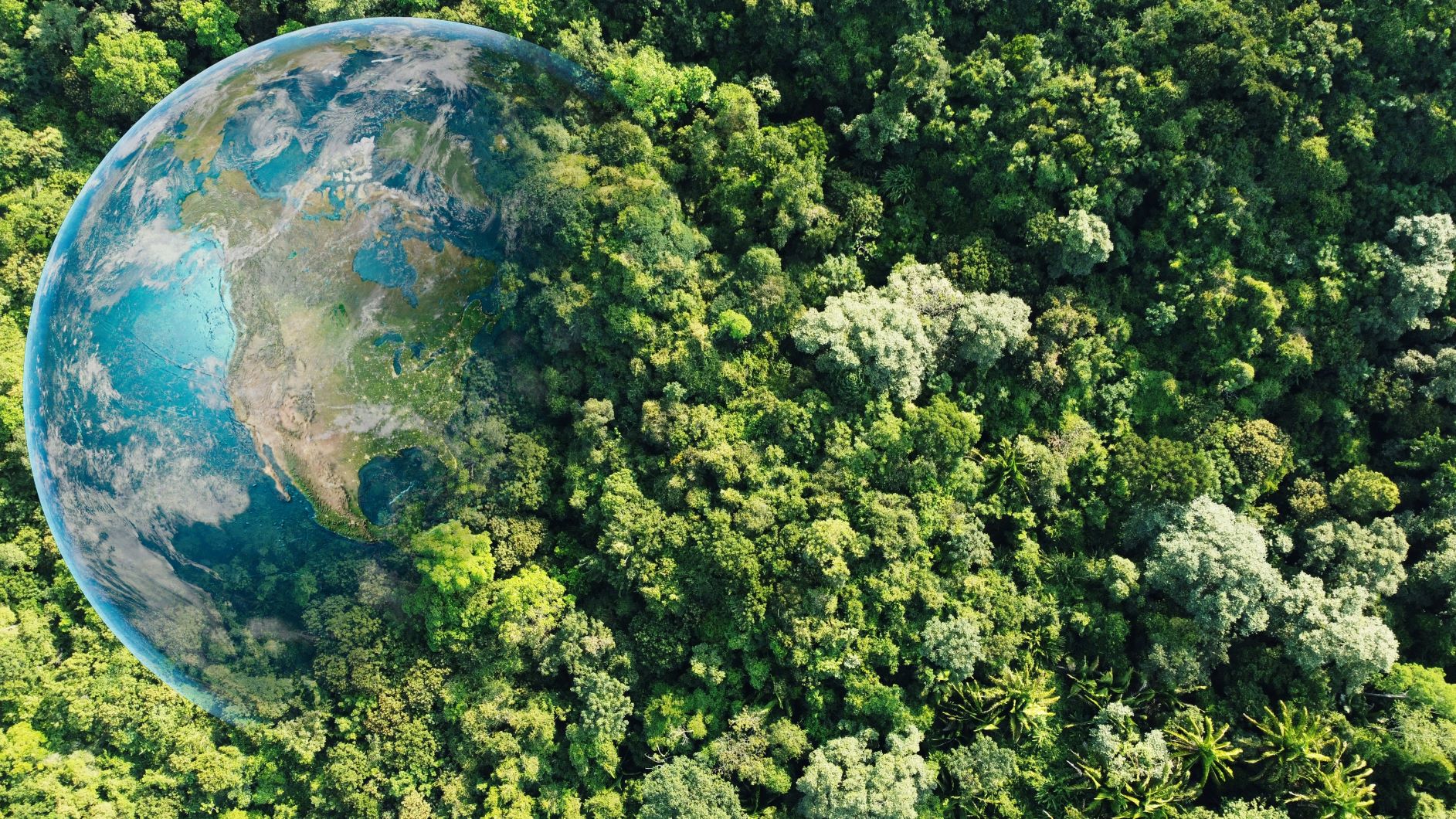
Picture the tropical forest - hot, humid and full of obstacles. The dense plant life, uneven terrain and wild animals make it extremely difficult for researchers to monitor temperatures near the forest floor, crucial data for understanding the impact of climate change. Yet CUHK scientists have braved this inhospitable realm, overcoming immense challenges to discover cooler microclimates close to the ground, and offering vital clues about how these precious ecosystems are responding to our warming world.
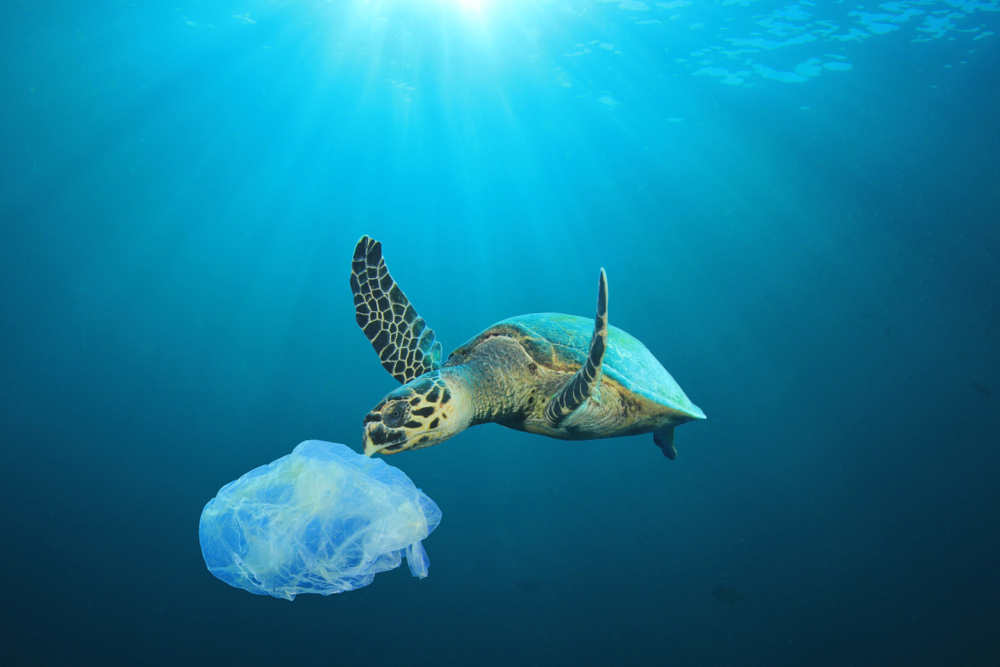
Prepare to be amazed by what kombucha can become. CUHK researchers have discovered that this beloved beverage holds the key to eco-friendly food packaging. It can be used to make a bio-based material that stretches like plastic but decomposes naturally, promising to revolutionise packaging. Best of all, it’s harmless and can even be eaten. Goodbye plastic pollution, thanks to the extraordinary potential of kombucha.
Tick-tock, tick-tock: the climate clock is making an alarming sound, counting down the amount of time we have left to save the earth. Scorching heat and potentially devastating flooding are both on the rise. Two recent CUHK studies have explored what we can do about that: while one is helping the authorities map floods and take contingency measures, the other predicts an ever hotter future, and suggests ways we can mitigate the heat’s most debilitating effects.
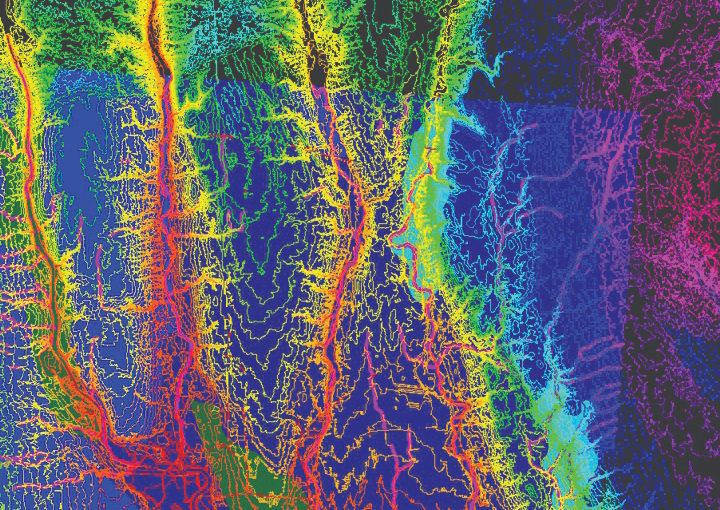
Applied geographers use a variety of techniques to understand and explain human-environment relationships and solve real-world problems. The rapid development of geographic information systems (GIS) and other technologies in the past few decades has greatly expanded the reach of applied geography. Professor Kwan Mei-po, internationally recognised for her ground-breaking work that advanced GIS techniques, is dedicated to finding innovative ways to accurately assess people’s environmental exposures and the impact on their health, with an emphasis to capture individual experience.
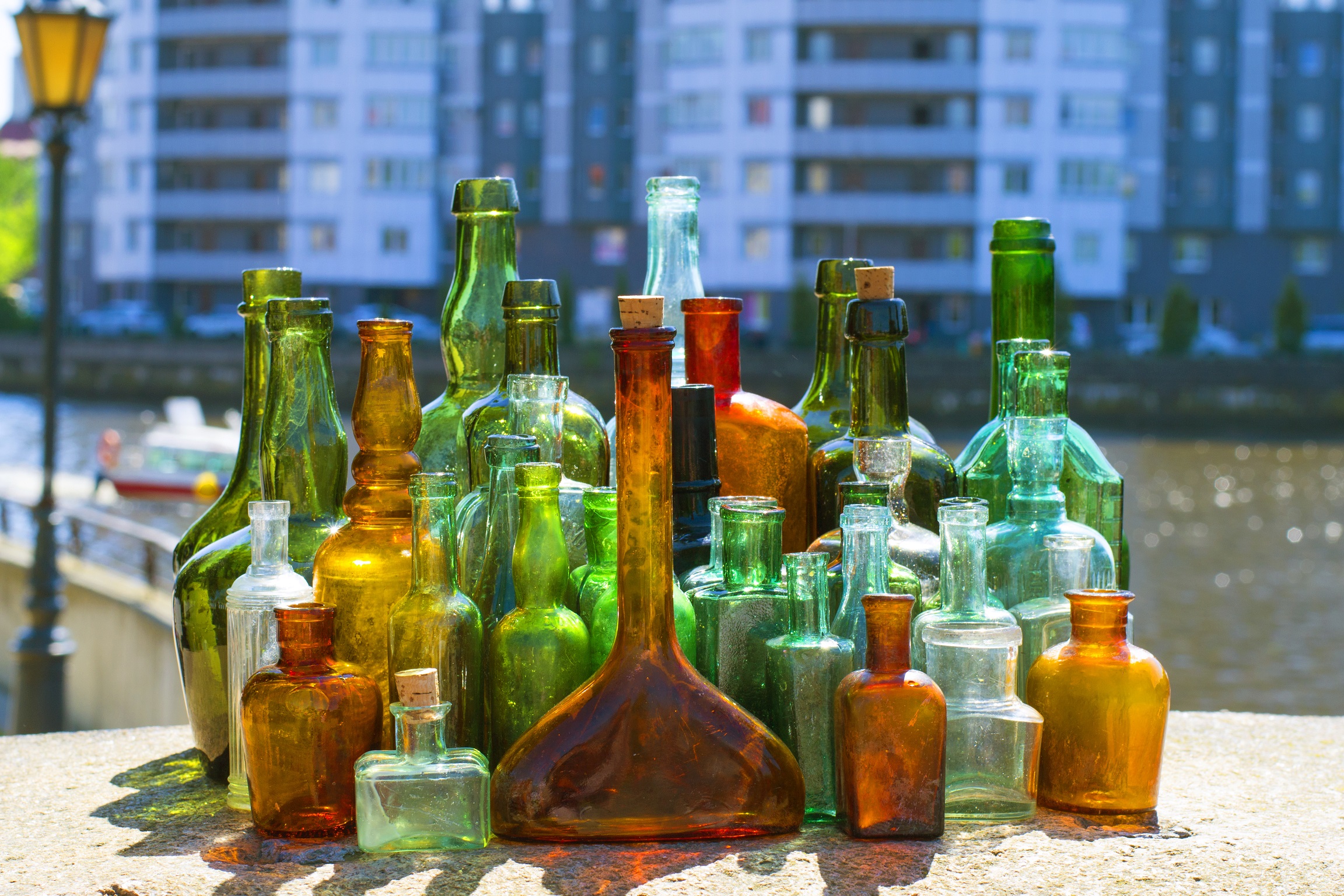
Can you imagine how hot you would feel when a heatwave comes if you lived in a tin-sheet house? It would be like living in a steam oven. Heatwaves are roasting the world, smashing records with unrelenting severity. A CUHK research team has developed a high-performance radiative cooling paint based on recycled glass, a forgotten resource in our communities. It can potentially provide buildings with supplemental cooling without consuming energy.
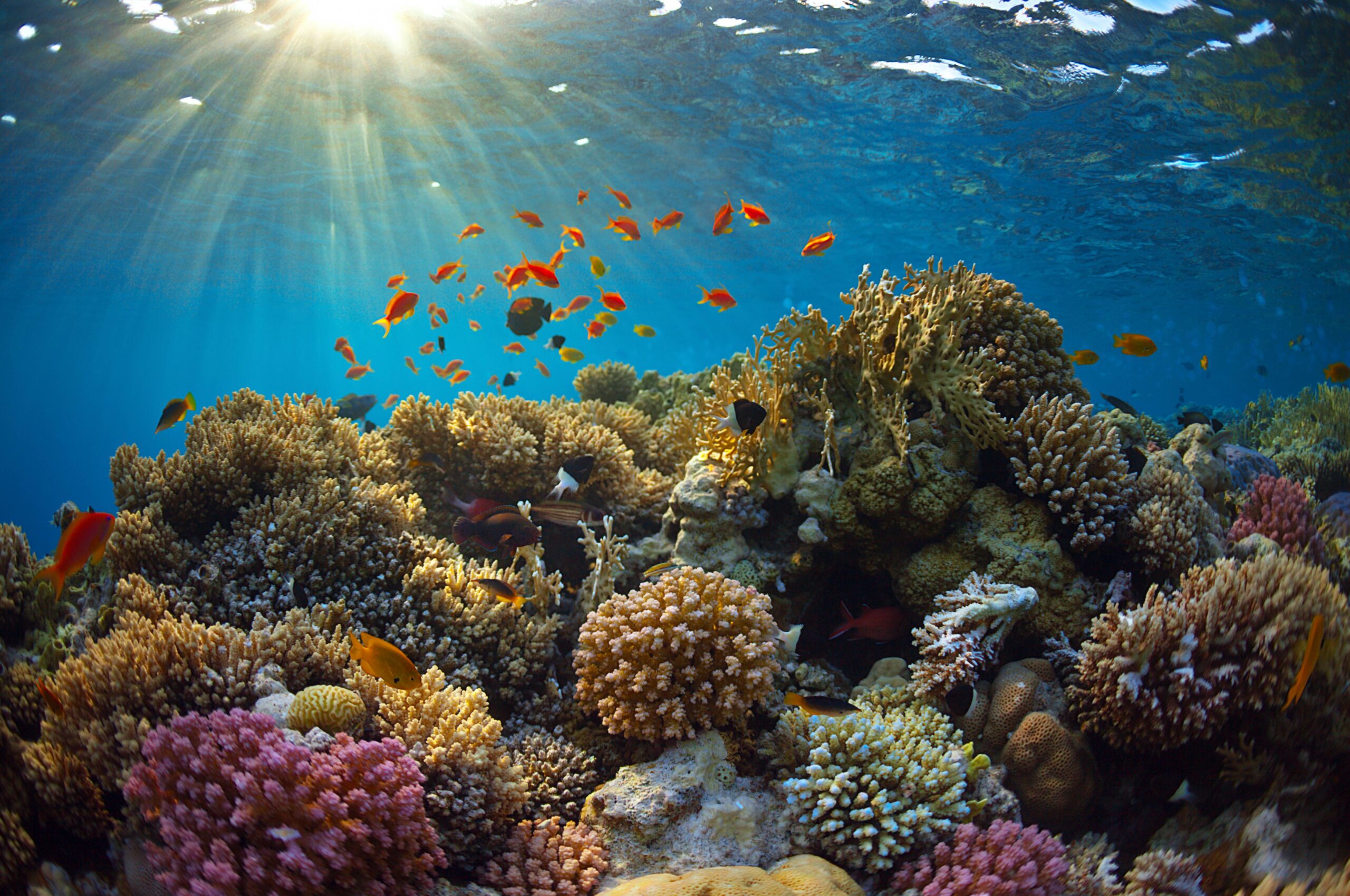
Brightly coloured, fractally shaped and home to a plethora of sea life: everyone loves coral. However, from the effects of climate change, pollution, overfishing to an increasingly populated planet – corals are under threat. CUHK scholar Dr Apple Chui Pui-yi is collaborating with the WWF to fight back on their behalf, with a coral rescue team that’s helping coral to flourish.

With many places around the world opening up and dropping travel restrictions, plenty of sun worshippers and tan lovers will be seeking sun at the beach over the coming Christmas holidays. To protect your perfect tanned skin from sunburn, sunscreen is a must, but some use chemical ingredients which can irritate skin and are harmful to the environment. A CUHK scientist has developed a new ingredient for sunblock that is both effective and comfortable to wear, while avoiding potentially harmful chemicals.
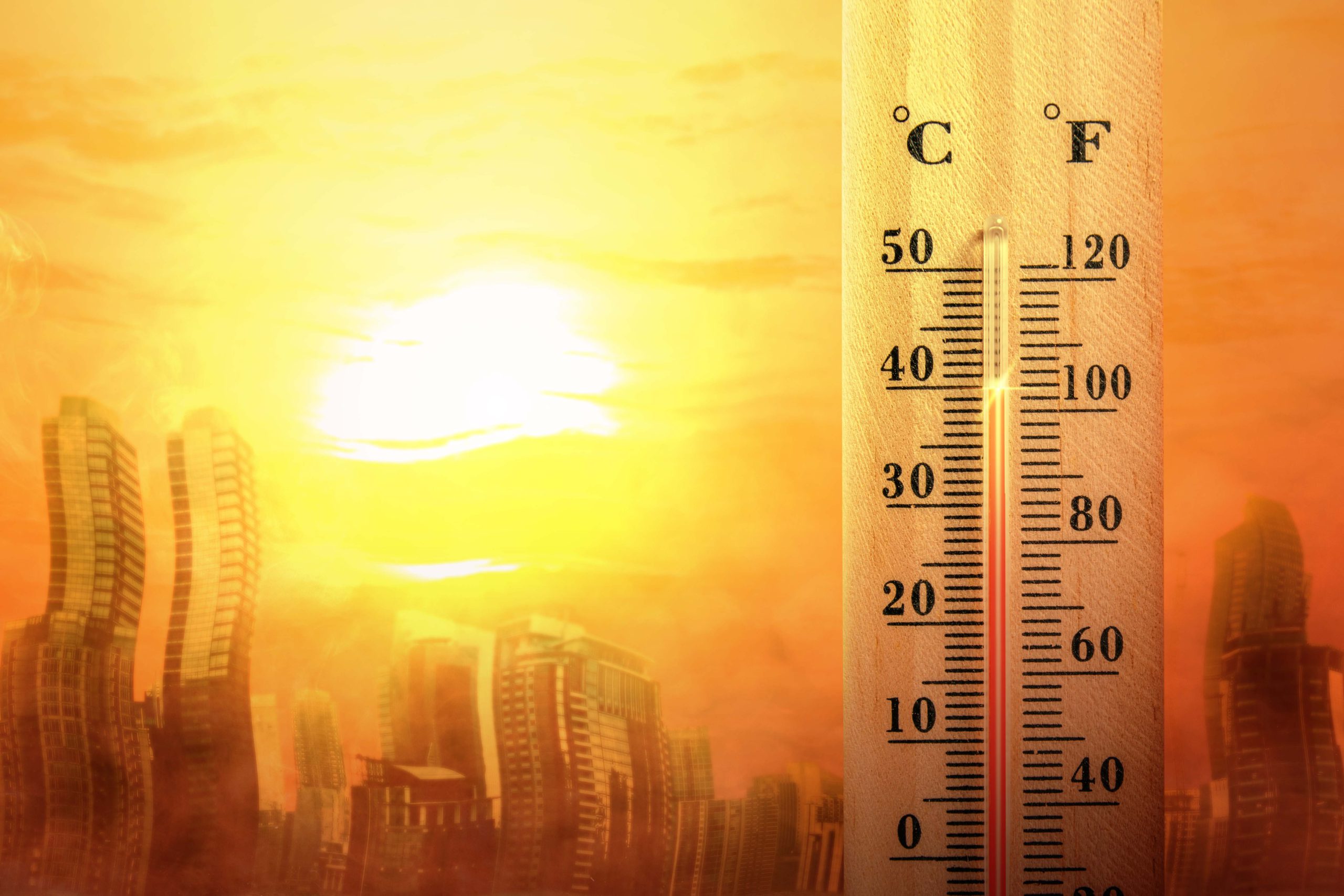
A summer of heatwaves has wreaked havoc on human health, food security and natural ecosystems all over the world this year. With climate change on the march, Hong Kong, as a tiny dot on the map, can’t escape its effects. CUHK experts on climate change, earth and environmental sciences, and architecture discuss what the consequences could be, and what can we do to alleviate them.

The world is facing a confluence of crises in food and nutrition, health, education, the environment, and peace and security that threaten the very survival of humanity. To put the world on track to sustainability will require concerted action on a global scale. The education system plays an important role in raising awareness of sustainable development goals and teaching the skills needed for a sustainable world. CUHK has joined the multi-institutional Future17 programme, taking students on a journey to unleash their creativity and develop solutions that tackle SDG-related challenges.
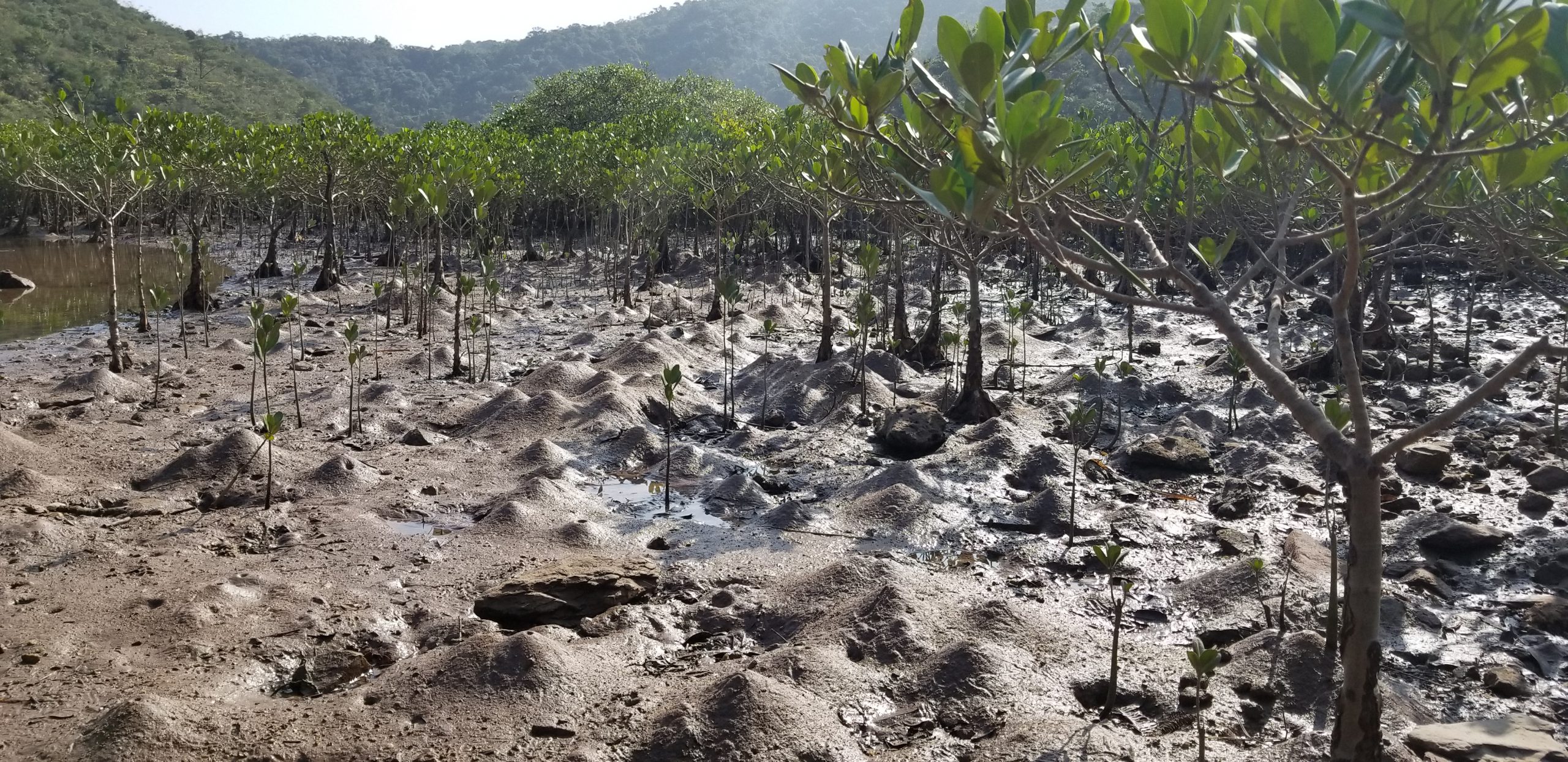
Mangrove forests need a healthy community of invertebrates to sustain their trees. But a study of mangroves worldwide suggests most suffer from “low functional diversity”. If one invertebrate species is lost, its functional role may not be filled by another species. The good news? Hong Kong’s small mangroves remain healthily diverse. The message? Understanding invertebrates’ diversity is crucial for the assessment and management of mangroves.

The recent IPCC report rang loud and clear. CUHK chimed in with recognition for its work towards sustainable development at the UN International Green Gown Awards. The rural sustainable development assistance programme initiated by the One University One Village team of the School of Architecture won the “Benefitting Society” category, and the SDG Study Scheme launched by the Office of University General Education was selected as a finalist in “2021 Next Generation Learning and Skills”.

You fend off the heat on a scorching day but it's at night when you recover- or not, if that's hot too. Consecutive “hot nights” spell increased risk to health, even death, particularly in women and the elderly. Now Hong Kong researchers are telling metropolitan cities to be smart and improve urban greenery planning to combat “hot nights”.
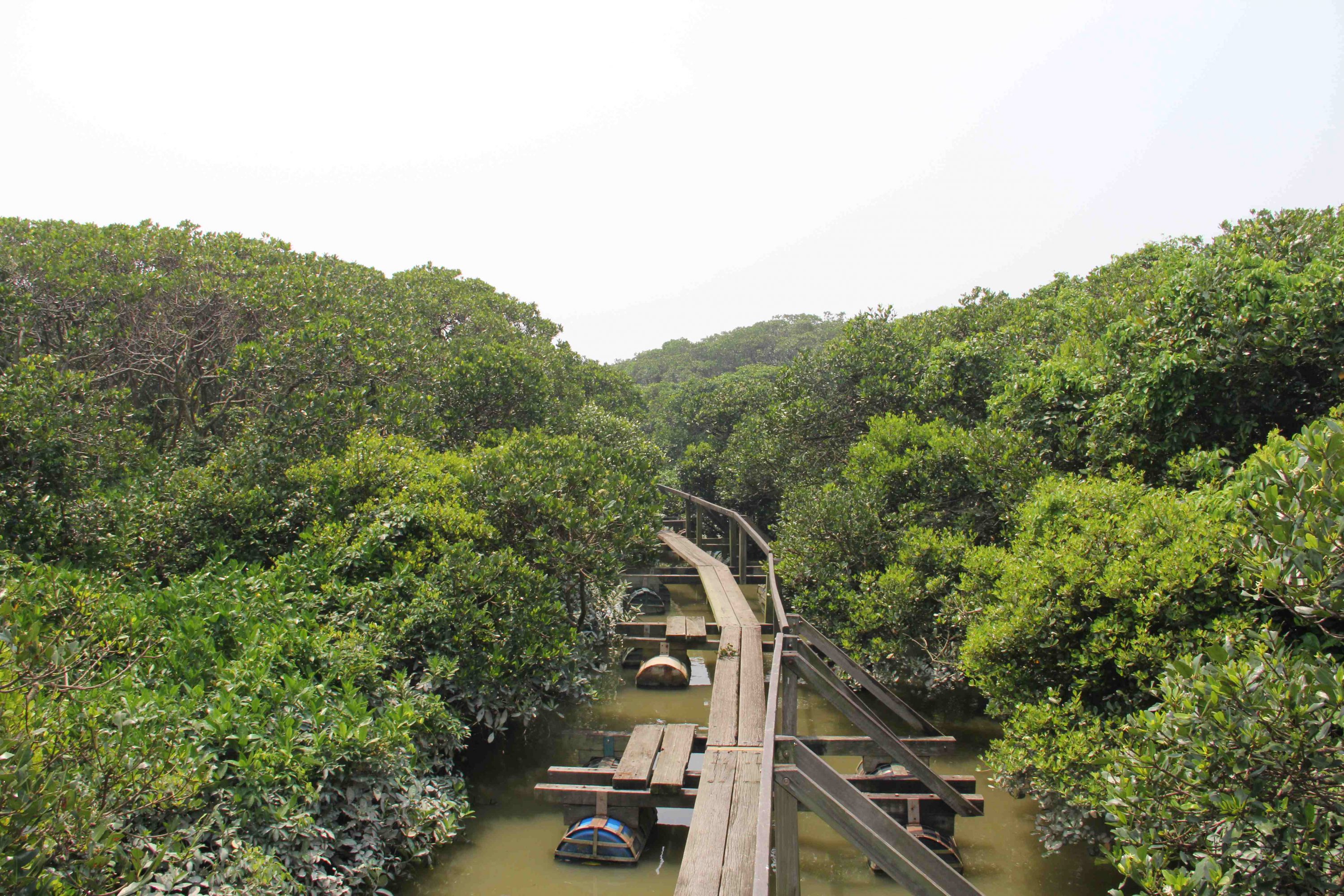
Mangrove wetlands help with climate change by retaining carbon but the methane they emit counters the benefit. An international study shows the good being done by retention is reduced by emission to half over 20 years. And the balance is tipping the wrong way because of global warming and river discharge.
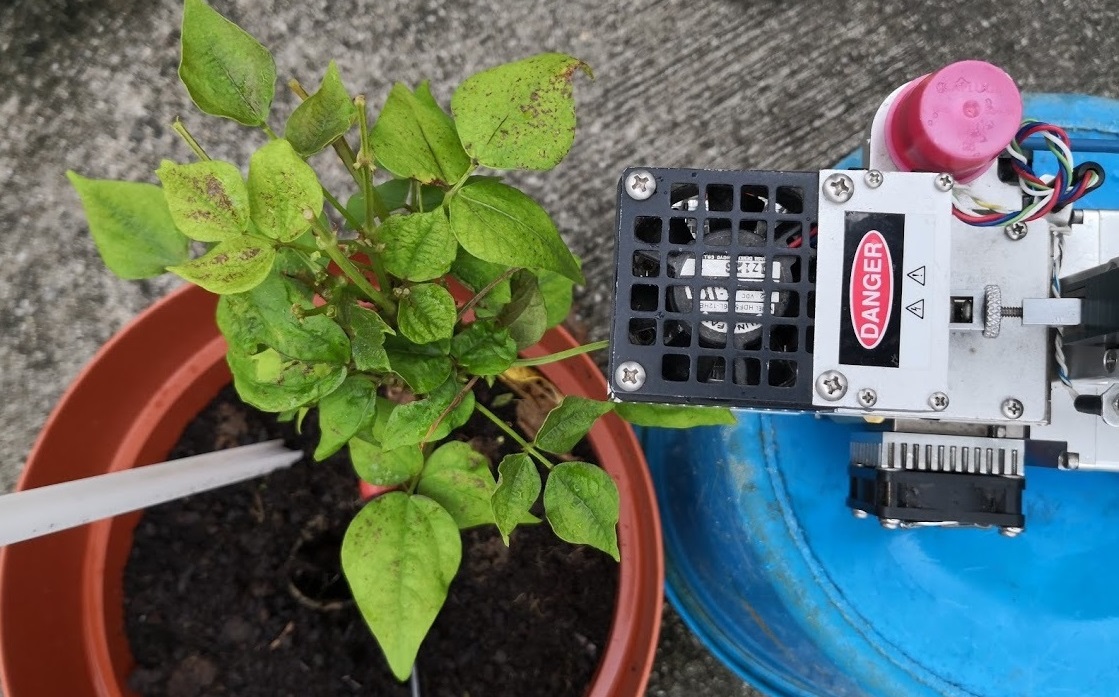
An “ozone garden” is where a CUHK research team studied bean plants attempting to grow under Hong Kong’s rising ozone skies in the first plant-based measurement of ozone in the South China Region. Even though it was Spring and in the countryside, the ozone eroded the beans and stressed them into opening more flowers, forcing them to wither more quickly.

Professor Peter Ferretto and his architecture team built a book house in a Chinese Dong minority community in traditional style as a happy gathering place for children to read books. It won them an award at The World Architecture Festival - the judges saying it “demonstrated excellence of process”.