





For many years, Lu Yi-chun, a professor in CUHK’s Department of Mechanical and Automation Engineering, has toiled away on a solution that she hopes will enhance the safety of battery storage but still be cost-effective. Her work on polysulfide flow batteries has long garnered acclaim, and now she is taking her mission to the next level.

Waste management and energy security are two of the world’s most pressing challenges, particularly in metropolis like Hong Kong. CUHK researchers address both by converting biodegradable waste directly into green fuel – without inefficient high-temperature gasification or combustion. This innovation promises cleaner energy production while helping industries meet increasingly stringent environmental standards.
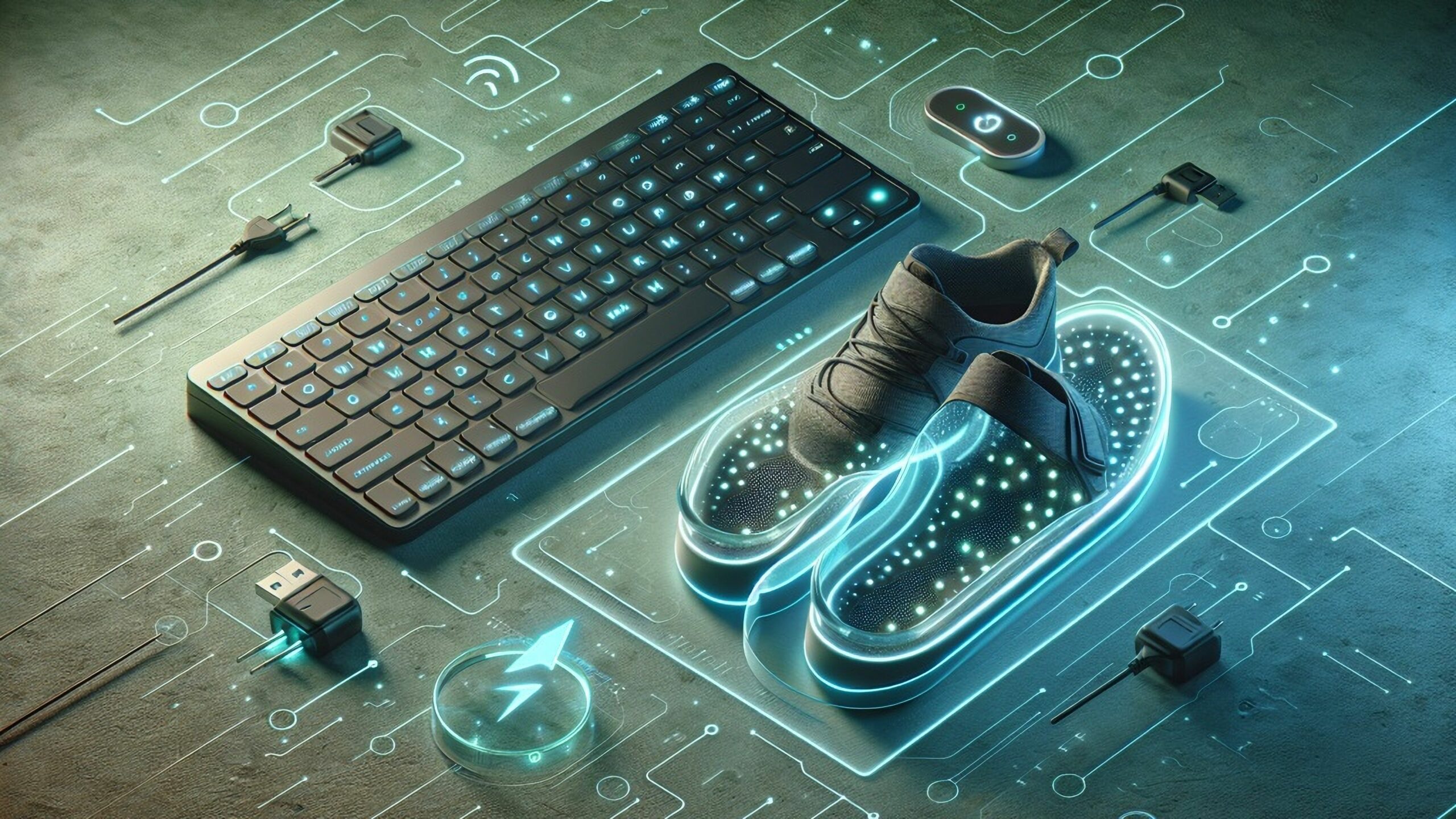
Rejoice – no more worrying about battery levels or scrambling for spares. Two CUHK inventions are bringing a battery-free future closer to reality. One powers computer keyboards using energy generated simply by pressing the keys, while the other – a smart insole – harvests energy from walking to monitor gait patterns, transforming medical diagnosis and patient care.
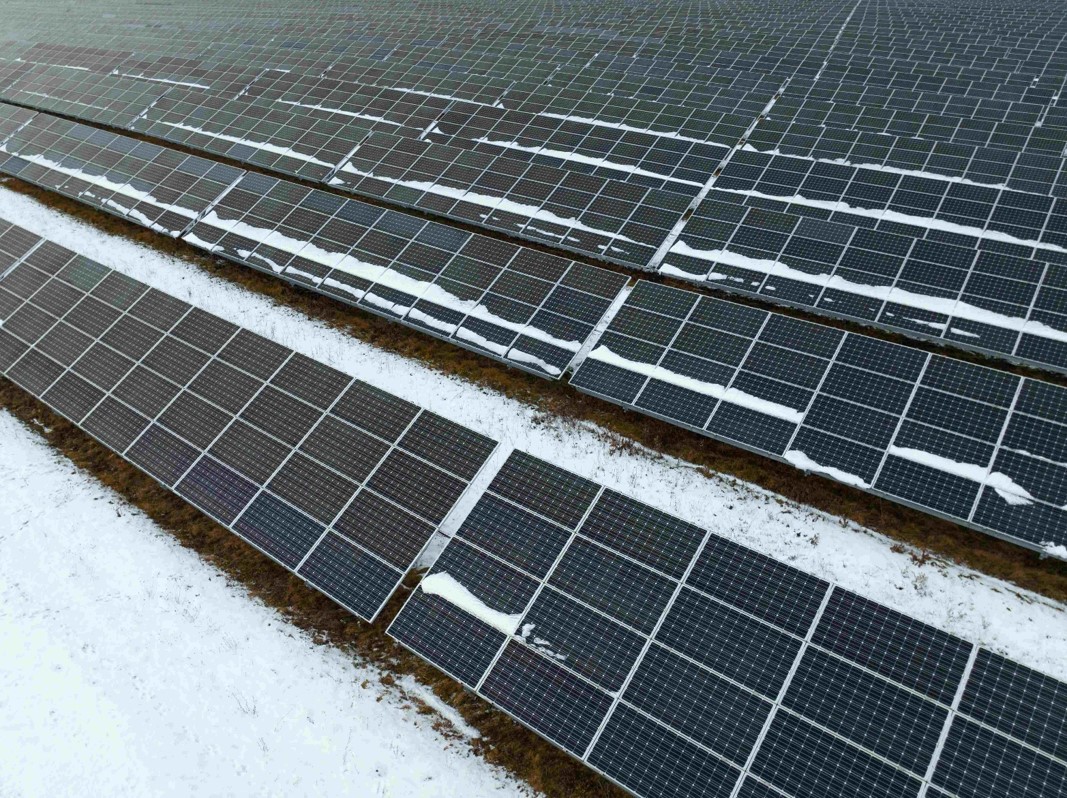
Life in an extremely cold region without electricity for heating and lighting can be a miserable experience, especially as existing battery technologies cannot retain a reliable power supply in such cold weather. When winter storms sweep across cities, the power crisis they cause can leave millions of people without electricity. CUHK researchers are trying to fix that with a new technology that promises to bring stability to electrical storage, even at very low temperatures.

loT is the key to building a smart city, in which sensors act as eyes and ears of the system to collect and convert physical variables into electronic signals for analysis. A self-powered wireless sensing e-sticker, thin as two human hairs, developed by CUHK, converts the power of a finger touch into electromagnetic wave signals to advance the smart sensing technology. Another discovery is a TENG with high power output to better harvest mechanical and biomechanical motion.
The ocean is the largest energy treasure house on earth, covering approximately 70% of its surface. Harvesting this is called “blue energy” and it’s a solution to energy crisis. However, given its complex technology and high cost, electricity generation from blue energy isn’t easy. A CUHK research team has recently developed a high-efficacy generator for harnessing ocean wave energy, which turns a new page.
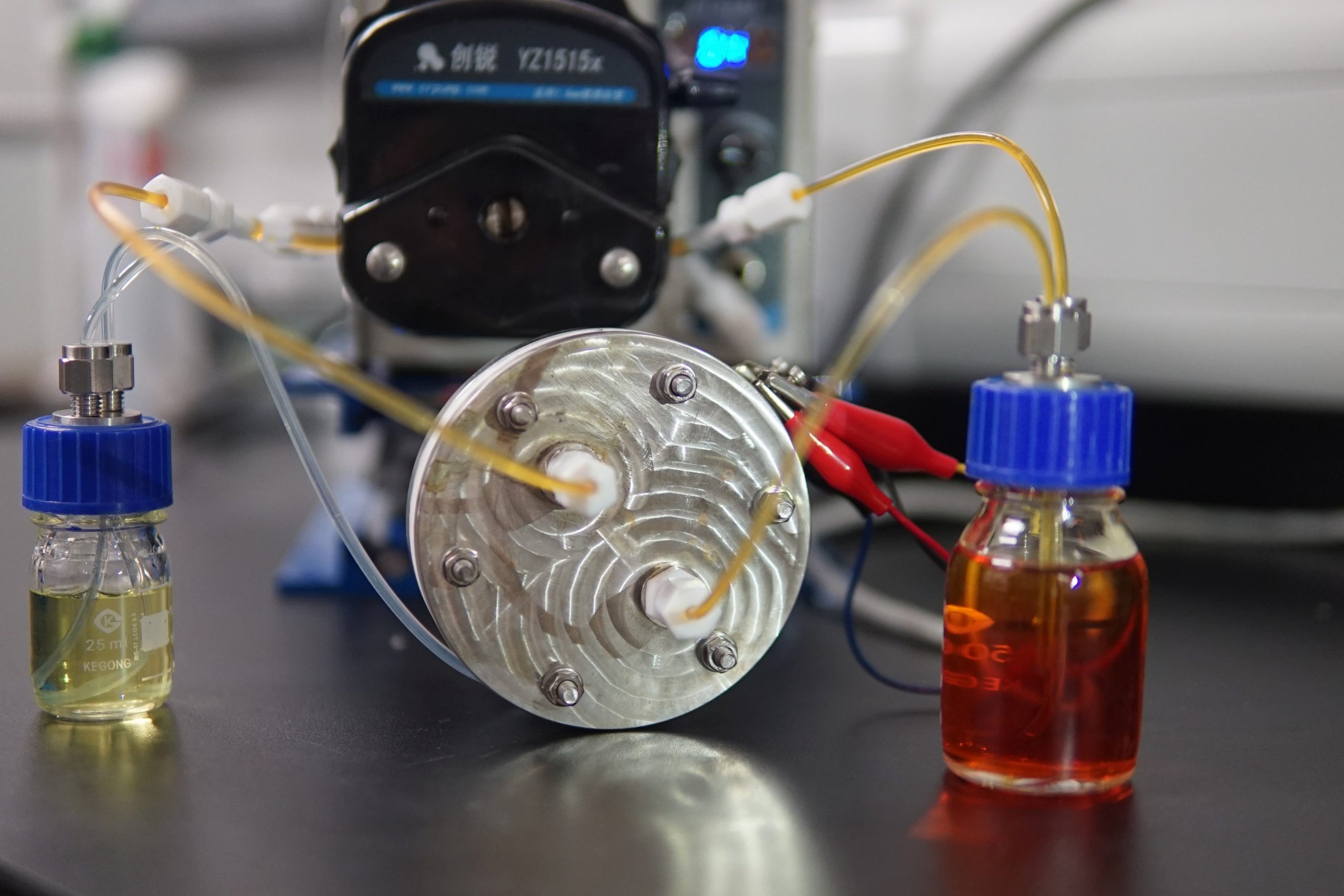
Distinguished as safe, powerful and flexible but plagued by a short life, sulphur-based redox flow batteries have been given a boost to their duration by CUHK engineers, ending a long unsolved challenge. They have designed a novel membrane, keeping the battery’s two electrodes apart and reducing the loss of active materials, so ramping up its lifetime, stability, and its usefulness in grid-scale energy storage devices.
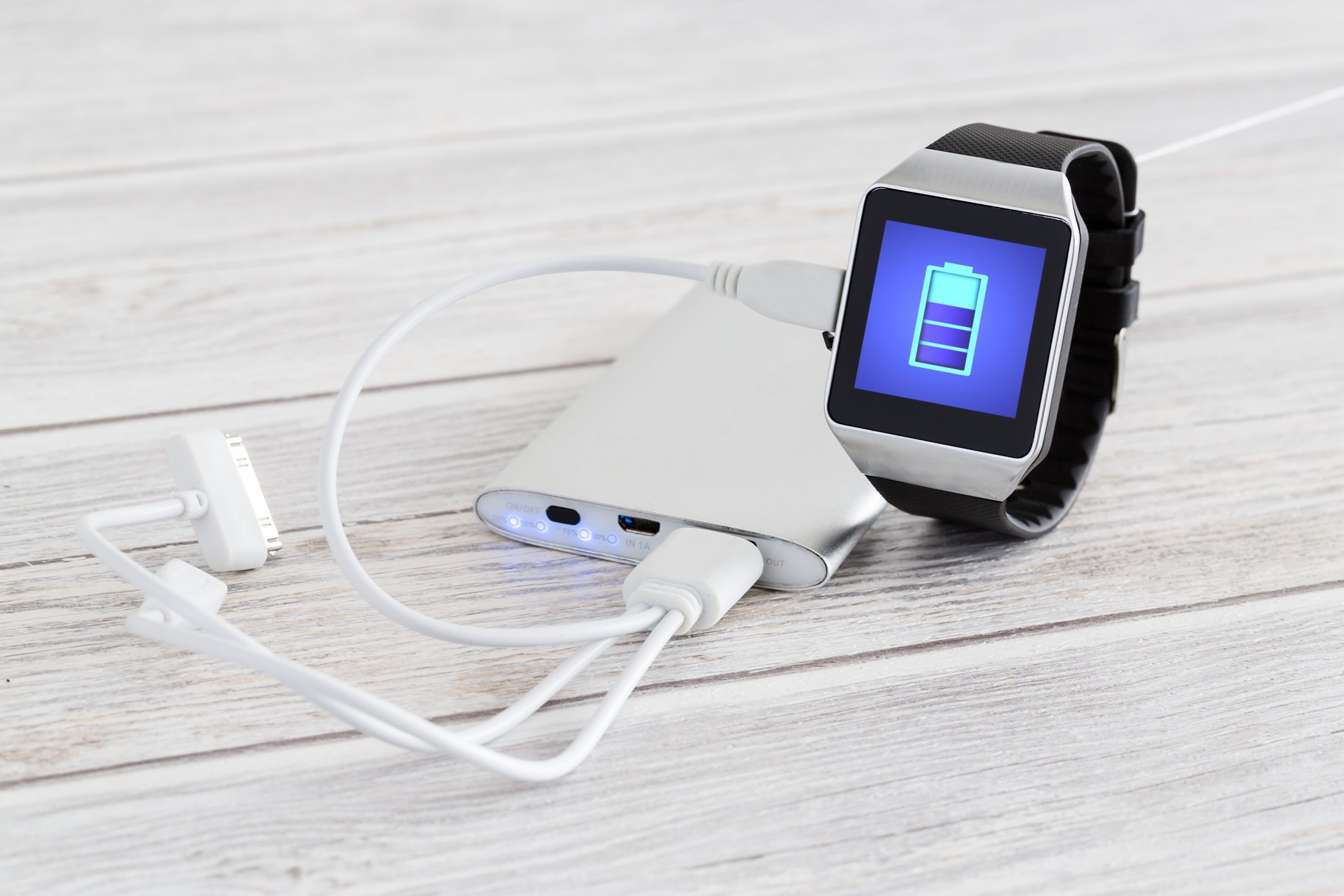
Smart wearable technology is evolving into a new form. Powering a smartwatch through solar power could be one the ways but how could it be sustainable under a lengthy cloudy sunless day? Researchers in CUHK recently found that you can be in control of your watch’s energy and sustain its battery endurance through walking and the swinging of your arms.
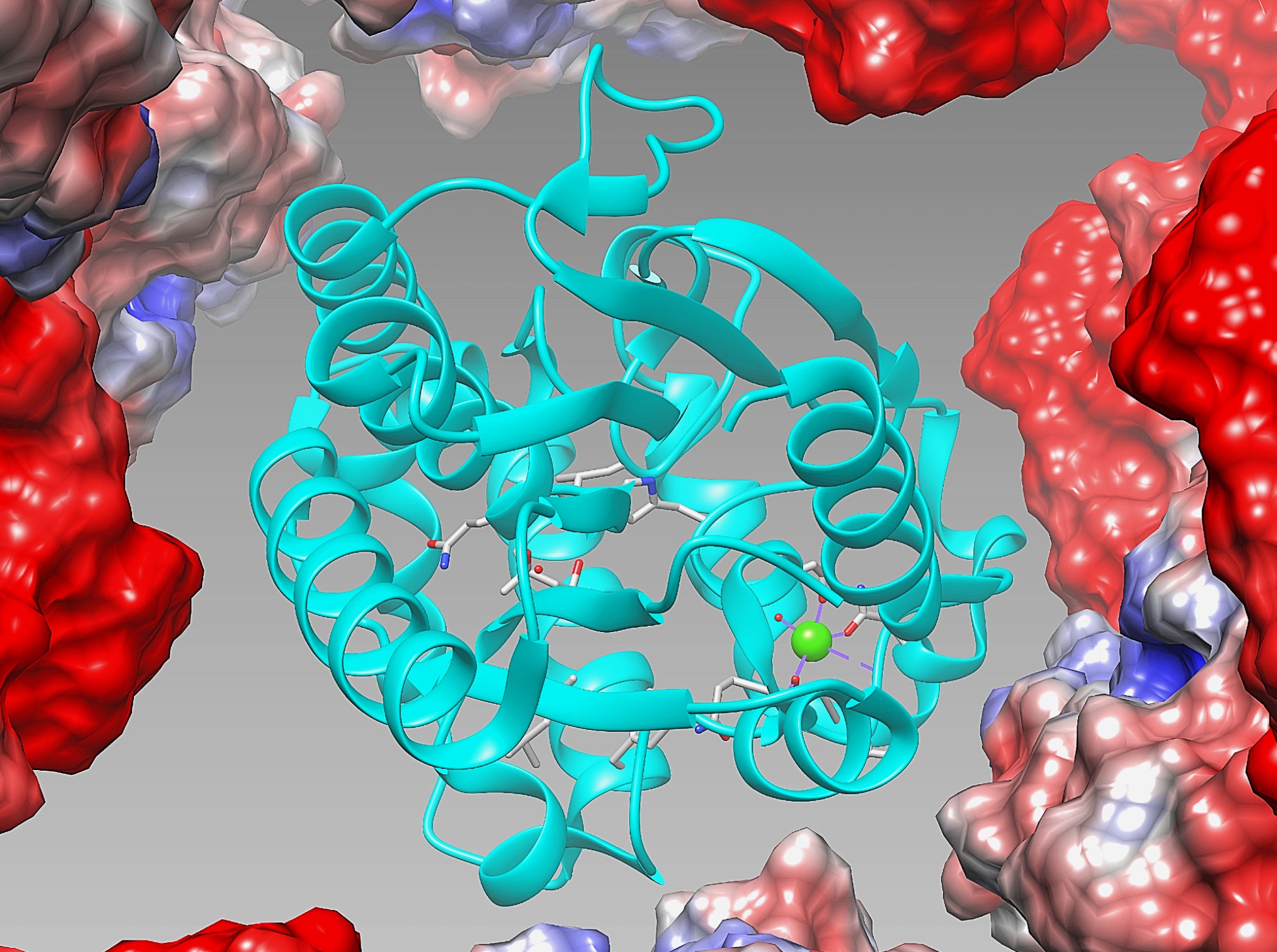
Biodiesel, always eco attractive, always ineligible because of the cost, has now been made an affordable fuel to put in your tank. Drivers will be able to fill up with a high value, low cost, low pollution biodiesel developed by a CUHK research team by extracting enzymes from bacteria in a simple process.
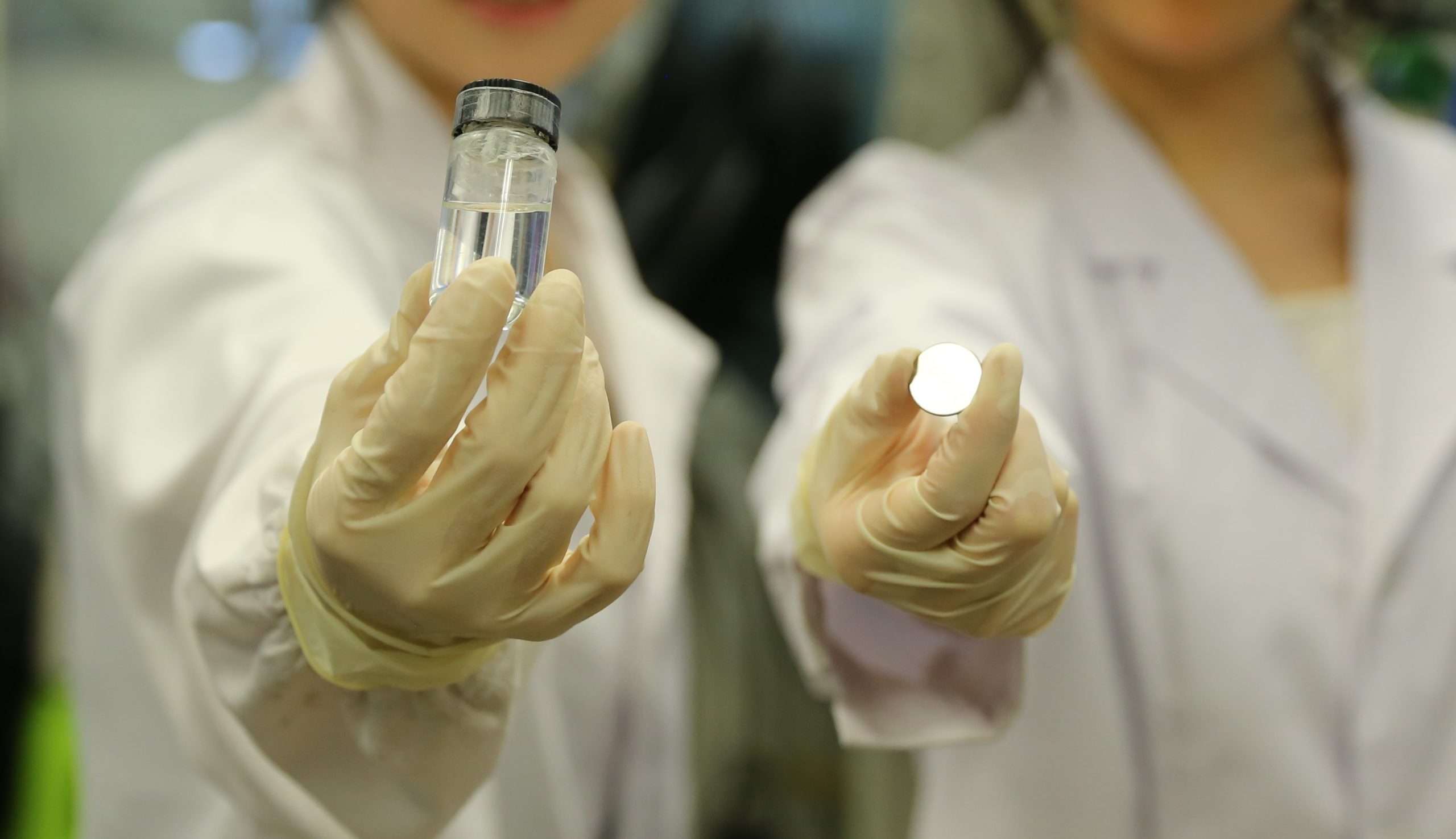
High energy batteries, in cell phones and laptops, can blow up in your face. Research around that problem surfaced with a solution from a surprisingly different field. It is a soluble polymer used in skin cream that can also stabilise battery output. Soon, putting a phone on your cheek will be as gentle on your skin as moisturizer.

You get lost on a mountain and your cell phone battery goes flat. How do you get help? You help yourself by walking, wearing a featherweight biomechanical device which harvests energy from the movement of your body. CUHK Professor Wei Hsin Liao explains how a moving knee can generate electricity.