





Scientists have long debated a critical question: did life learn to breathe oxygen before or after the Great Oxidation Event about 2.4 billion years ago, when atmospheric oxygen first began to accumulate? A new CUHK study now provides strong evidence that it happened much earlier, hundreds of millions of years before the event. Using an AI model, CUHK researchers found that long before oxygen began accumulating in Earth's atmosphere, tiny microbial pioneers were already experimenting with breathing it, thriving inside microscopic oxygen-rich pockets. This discovery not only rewrites the history of life on Earth but also has profound implications in an era of climate change.

2025 marks the centenary of the birth of quantum mechanics. Quantum mechanics is the scientific theory describing the behaviour of subatomic particles that has fundamentally reshaped our understanding of the universe. With the establishment of the State Key Laboratory of Quantum Information Technologies and Materials, CUHK aspires to bring even more earth-shattering breakthroughs to the next century of quantum science.
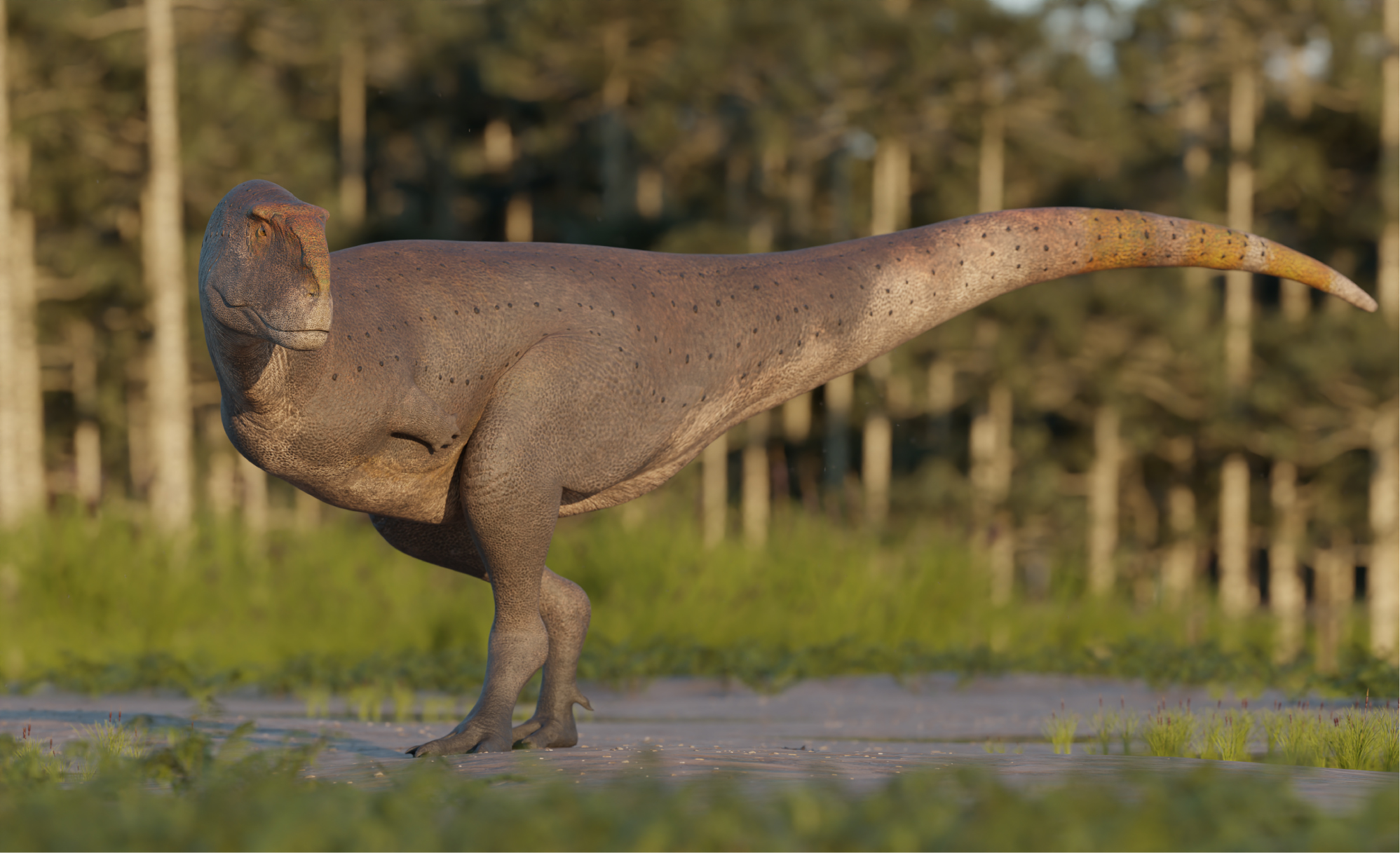
It’s not often that a new species of abelisaurid dinosaur gets discovered – the habitat of the famous Carnotaurus hasn’t yielded another abelisaurid since it was found 40 years ago – but that’s exactly what a CUHK-led team has just done. The extensive set of bones they found in South America come from Koleken inakayali, an agile apex predator that inhabited the ancient southern supercontinent of Gondwana 60-plus million years ago. The discovery sheds light on how predatory dinosaurs evolved and shows that more than one top predator lived side by side in Late Cretaceous ecosystems.
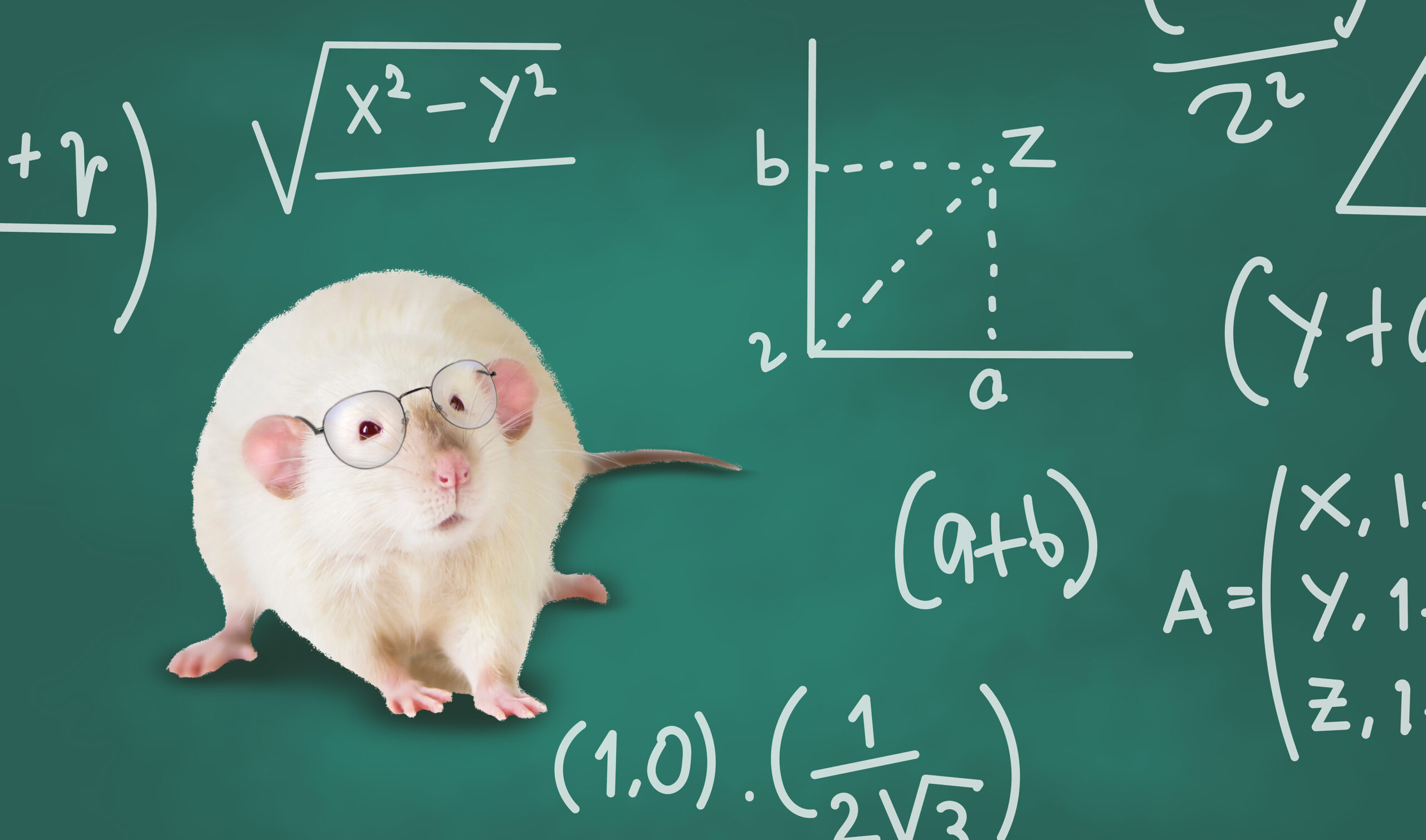
Rats with mathematical minds? Groundbreaking research led by neuroscientists from CUHK and CityUHK has confirmed that these furry friends possess a specific brain region dedicated to numerical processing and can be educated to distinguish among numbers, challenging the notion that maths is the sole preserve of humans. Explore the surprising cognitive abilities of these little rodents and the potential they create for novel interventions for human learning disabilities.

Over 100 earthquakes of magnitude six or higher occur globally each year, according to the United States Geological Survey (USGS), causing numerous casualties. While plate tectonics are their primary cause, along with other factors such as volcanic activity, understanding and predicting their occurrence remains elusive. Now, a CUHK study has unearthed a novel cause: the stress exerted on faults by landslide-dammed lakes. It offers valuable insights for earthquake risk management and prediction.
It’s not often that a new species of abelisaurid dinosaur gets discovered – the habitat of the famous Carnotaurus hasn’t yielded another abelisaurid since it was found 40 years ago – but that’s exactly what a CUHK-led team has just done. The extensive set of bones they found in South America come from Koleken inakayali, an agile apex predator that inhabited the ancient southern supercontinent of Gondwana 60-plus million years ago. The discovery sheds light on how predatory dinosaurs evolved and shows that more than one top predator lived side by side in Late Cretaceous ecosystems.
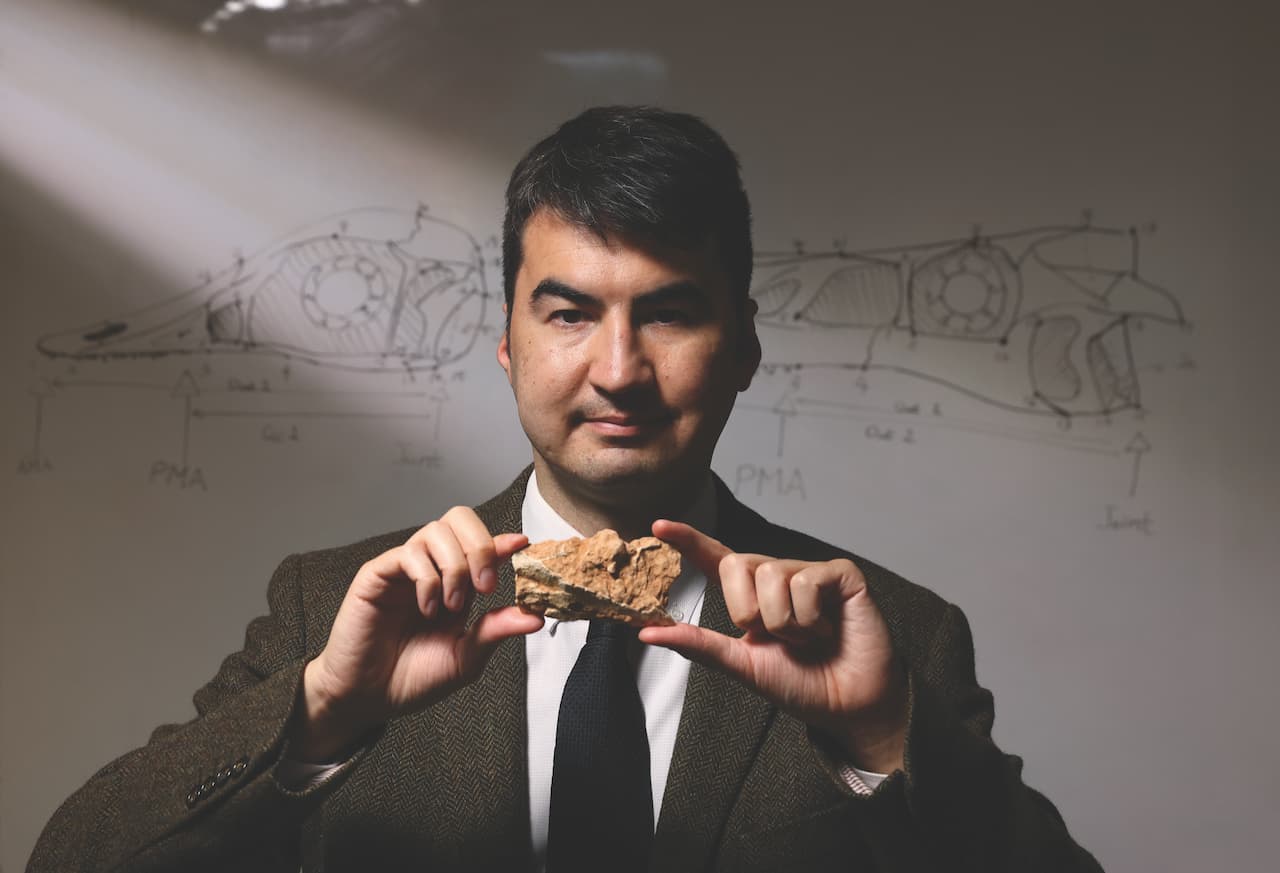
For the past 150 years, vertebrate palaeontologists have focused on the study of bones of dinosaurs and other prehistoric life. There are a lot of gaps to be filled in understanding prehistoric ecology, and the lack of data has given rise to speculations and myths. At CUHK, Professor Michael Pittman, a leading scientist in the field of vertebrate palaeontology, has been using innovative technology to revolutionise our understanding of pre-historic life.

It’s everyone’s worst nightmare: out of nowhere, a giant wave sweeps in from the sea, ending lives and destroying property with indiscriminate ferocity. While we can forecast bad weather, tsunamis triggered by giant submarine volcanic eruptions can devastate places and populations with very little warning. CUHK Professor Tan Yen Joe is trying to collect data that will allow scientists to better forecast the eruption of undersea volcanoes, potentially saving thousands of lives and sparing people untold misery.
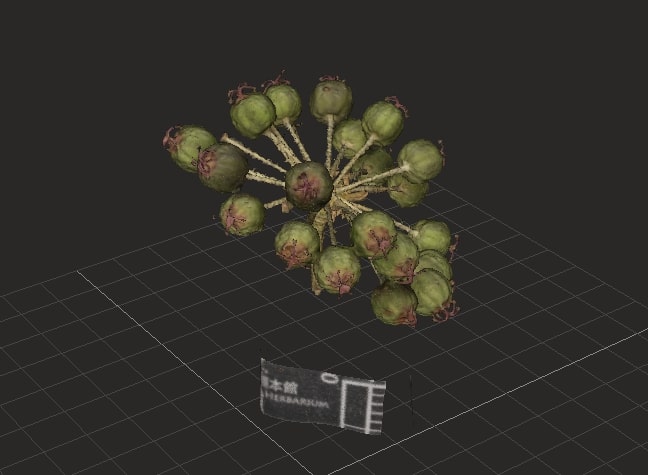
Around the world, there are over 390,000 plant species known to science. That makes it challenging for scientists to study them. A systematised database is important to provide an insightful reference for plant identification, ecological surveys and conservation. A research team from CUHK has developed a first-of-its-kind 3D and high-definition open database of authenticated fruits and seeds voucher specimens in herbarium archive, allowing researchers, teachers and students to explore, rotate and magnify lifelike 3D models of plant species – just like holding the real thing in their hands. It is a template for botanists and herbaria worldwide to establish their own 3D databases and help revolutionise our approach to studying a key part of the natural world.
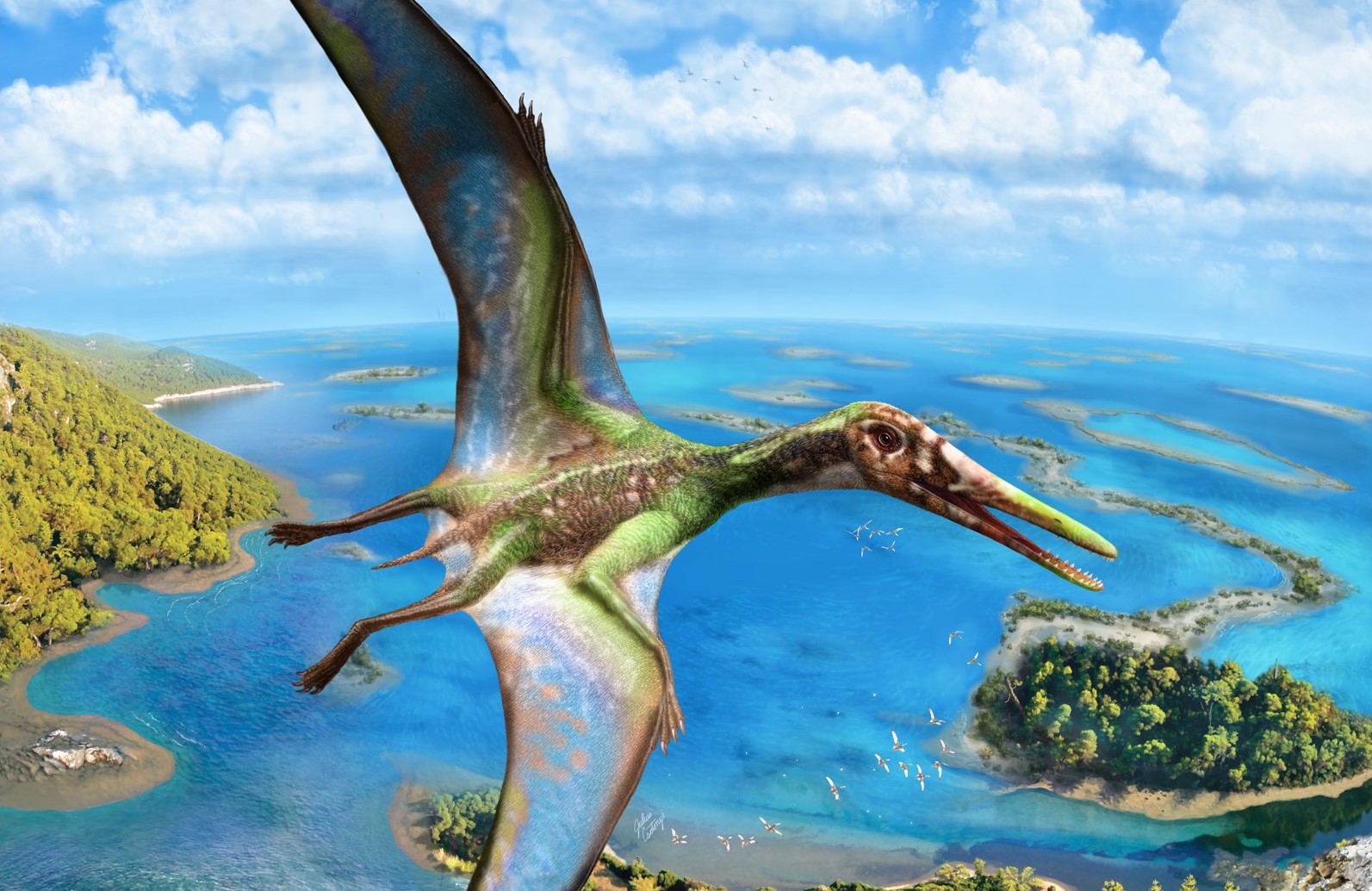
A CUHK palaeobiologist co-developed laser stimulated fluorescence imaging while pursuing how running dinosaurs evolved into flying birds. The technique revealed unseen fossilised tissues so well, it inspired a crossover to a completely different discipline, archaeology.
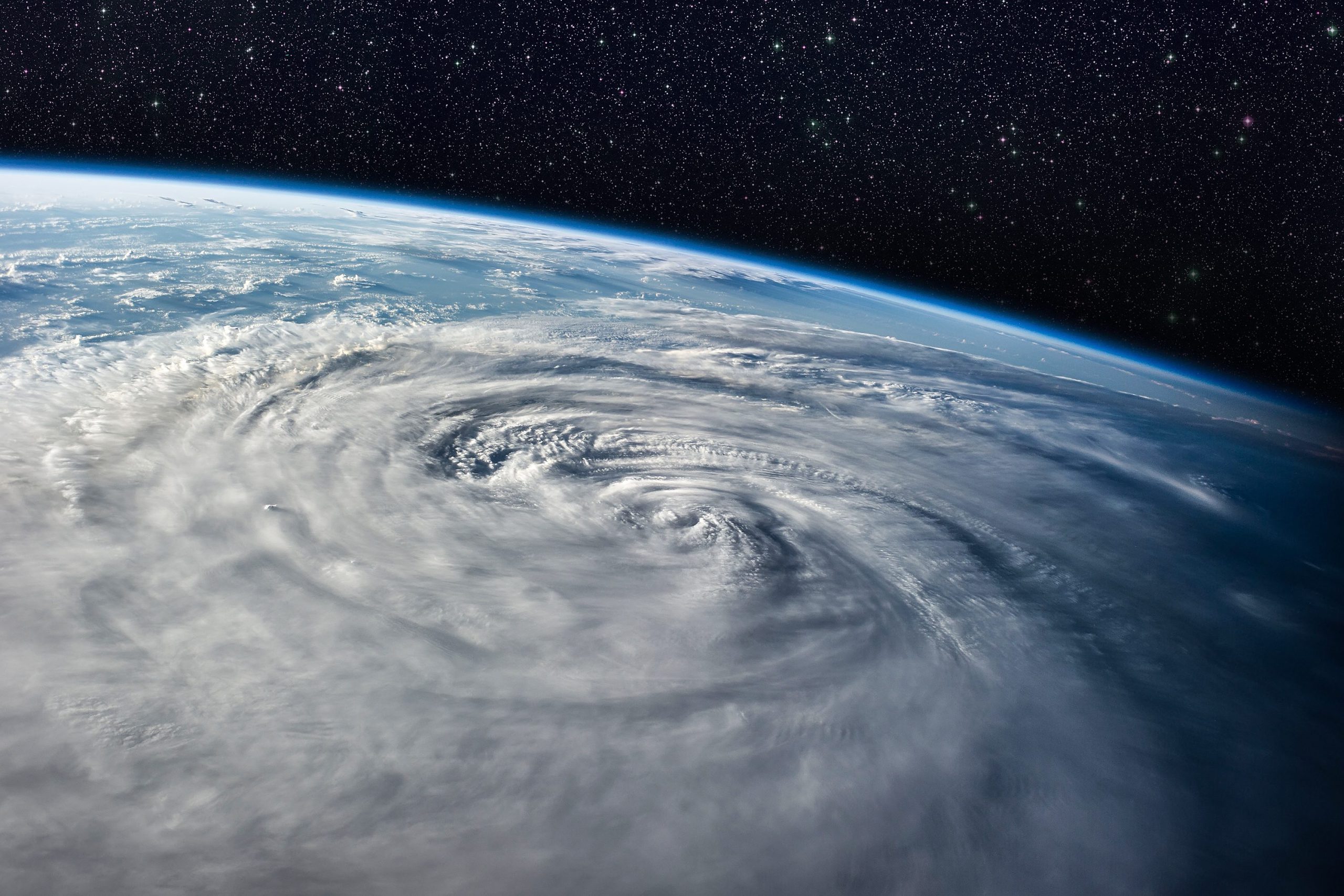
Over the past 40 years, there has been a marked increase in powerful super typhoons in the Pacific like Typhoon “In-fa” and “Cempaka”. From analysing recent typhoons and making projections based on a high-resolution climate model, a CUHK research team revealed that typhoons in Asia could be more intense at landfall, last longer and potentially double their punch by the end of this century, and they will travel further inland and do much more damage if global warming continues.

Applications of quantum sensing technology can be found in a wide range of settings, including medical imaging, prediction of weather patterns and even analysis of seismic activity. Professor Renbao Liu from Physics of CUHK has received the 2022 Willis E. Lamb Award for Laser Science and Quantum Optics for his contribution to spin decoherence and quantum sensing research. He and Professor Chester Shu from Electronic Engineering have also been elected Fellows of a prestigious society, highly commending their research achievements.
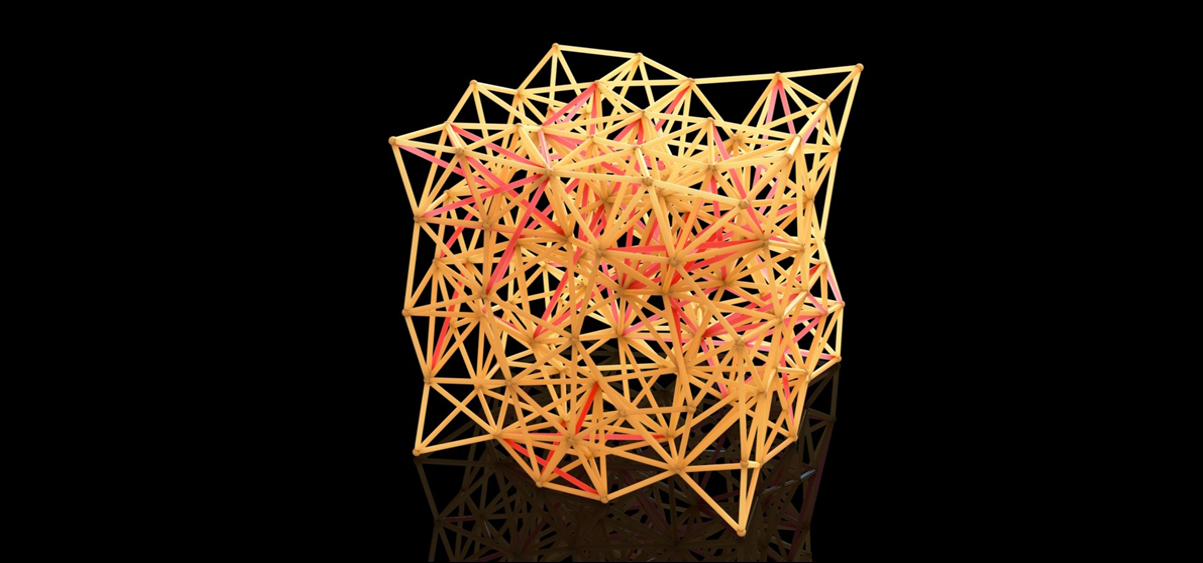
A material that can respond flexibly to external environment with freely adjustable properties of softness, hardness and size, shows promising potential for developing smart materials used in industrial or protective equipment. All this was once imaginary to many but it has been discovered by a CUHK physics team, using a unique network structure of packed particles to explore the topology of materials at the point of transition to elasticity.
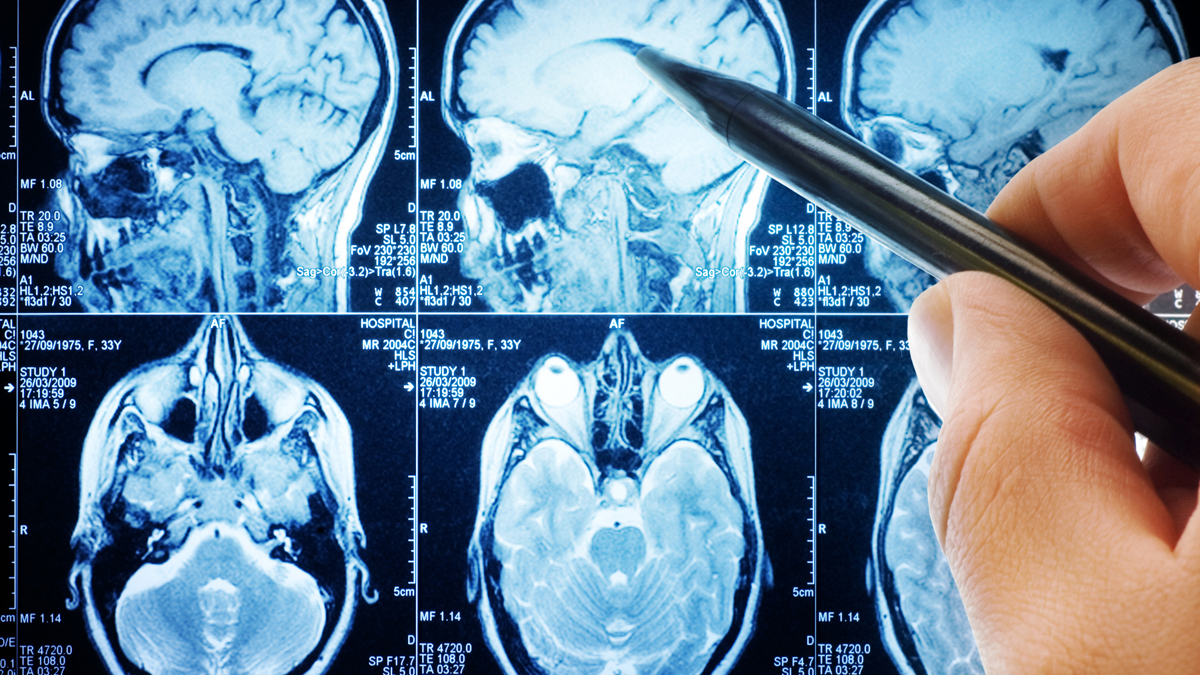
A dedicated young professor has developed algorithms which compute out a pure maths theory into the real world. Computational Quasi-conformal geometry (CQC), which maps out images of human organs like the brain, can be used to accurately detect abnormalities. Doctors used to analyse medical images with their eyes, but now maths gives them an accurate, efficient picture in 3D.

Advancing high-performance chips is the principal ambition of the semiconductor industry. Global demand for electronic products is buoyant. A recent study found that the average calligraphy ink is perhaps key to a low-cost, streamlined and environmentally friendly material deposition technology, helping to cope with the growing demand for chips with high applicability.
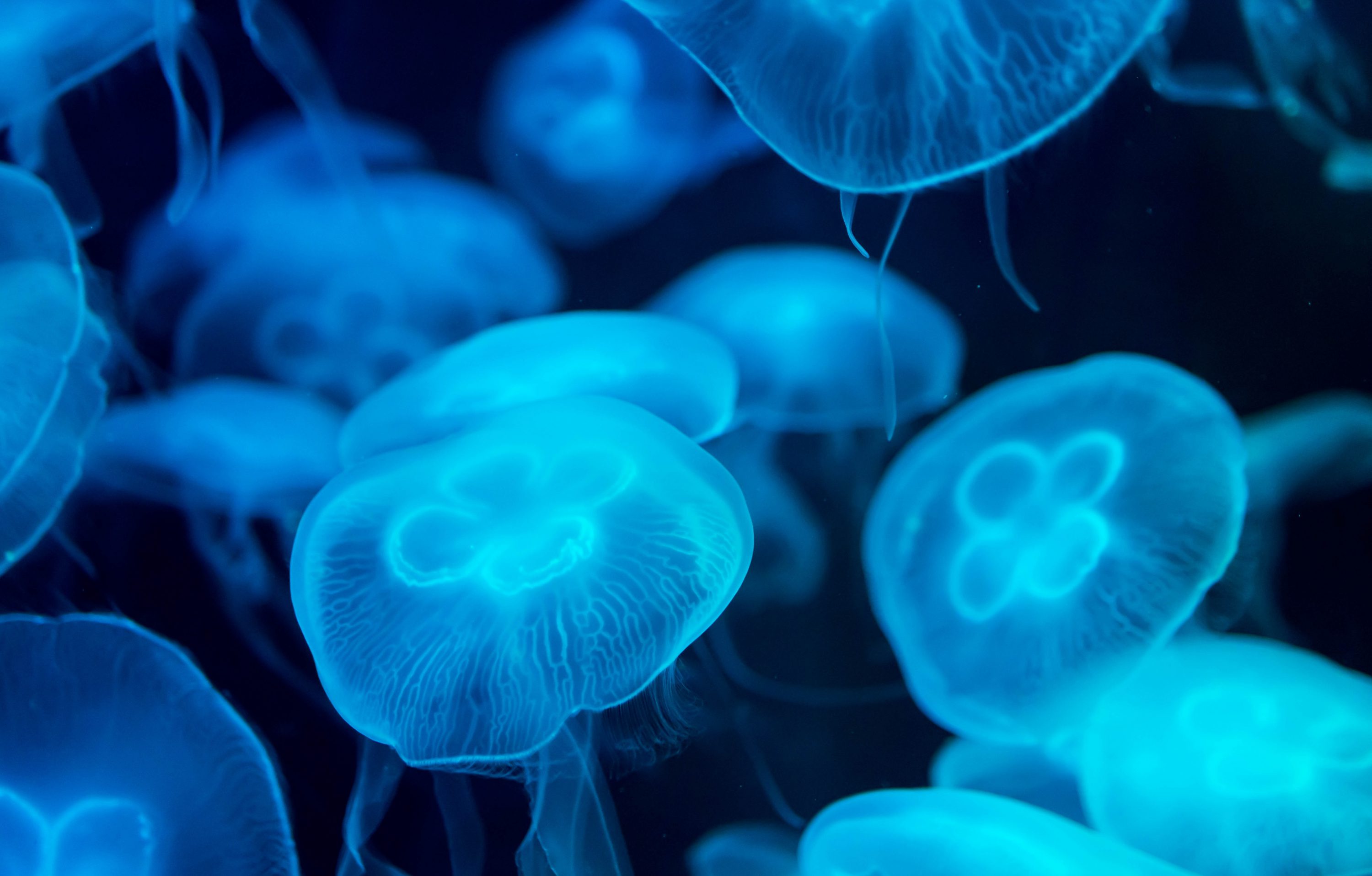
Of the jellyfish- not actually a fish - little is known about its evolution, reproduction, or feeding habits. For years CUHK researchers have dived deep into jellyfish genomes and decoded for the first time the high-quality genomes of two jellyfish commonly found in Asian waters, shedding new light on these translucent mysteries of the seas.
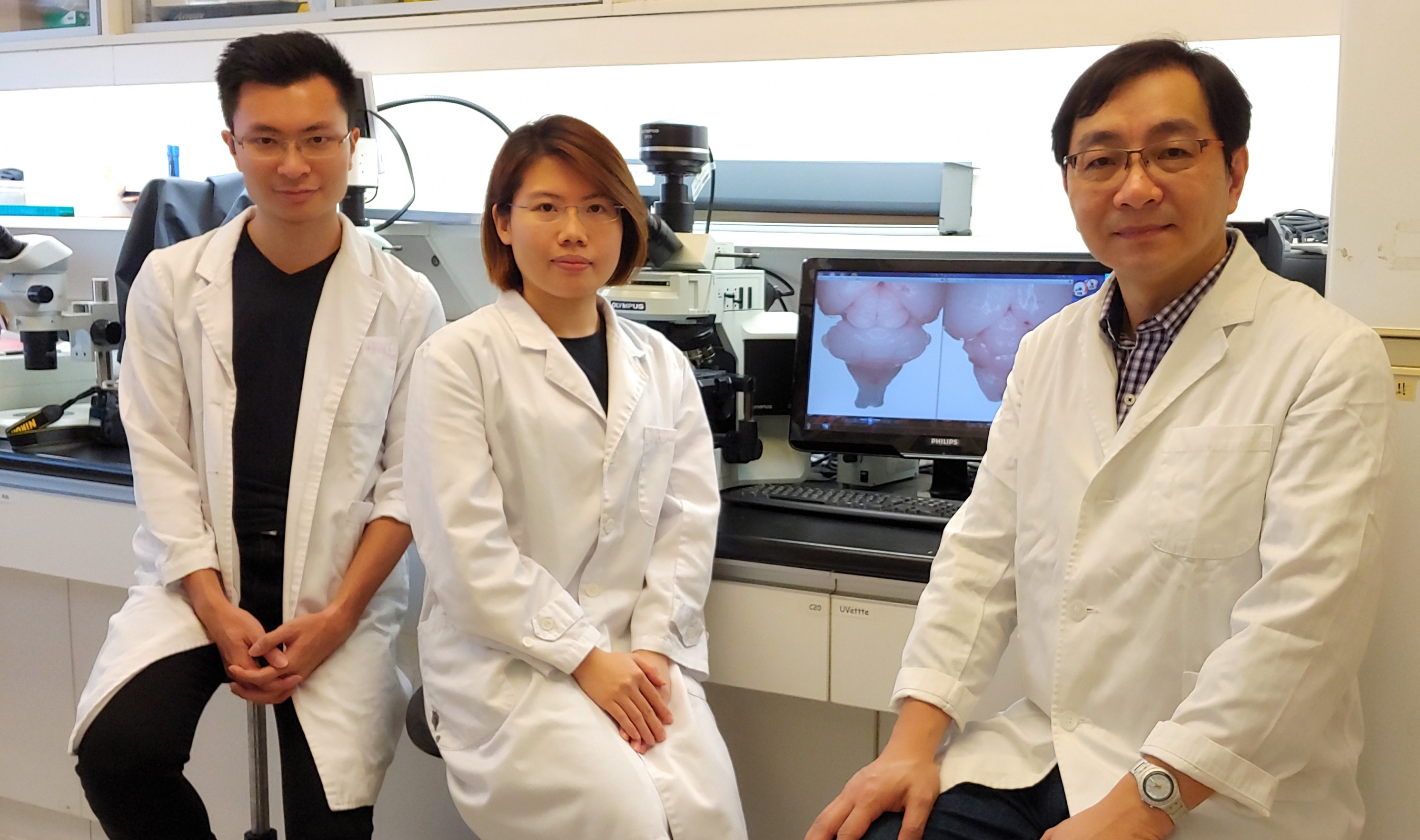
Doing something simple is how a CUHK researcher describes finding an essential mechanism to regulate alterations in neuron types that can harm the brain and cause neurological diseases. “By simply adjusting the strength of certain extrinsic signaling cues……” he says, and there lies an important path into stem cell biology.

Physics professors Swee Kuan Goh and Sen Yang have been using colour centres in nano-diamonds in a breakthrough technique for exploring quantum materials. The technique, which will revolutionise the design of quantum materials, and will sharpen Hong Kong’s capability in metrology and precision instrumentation.