









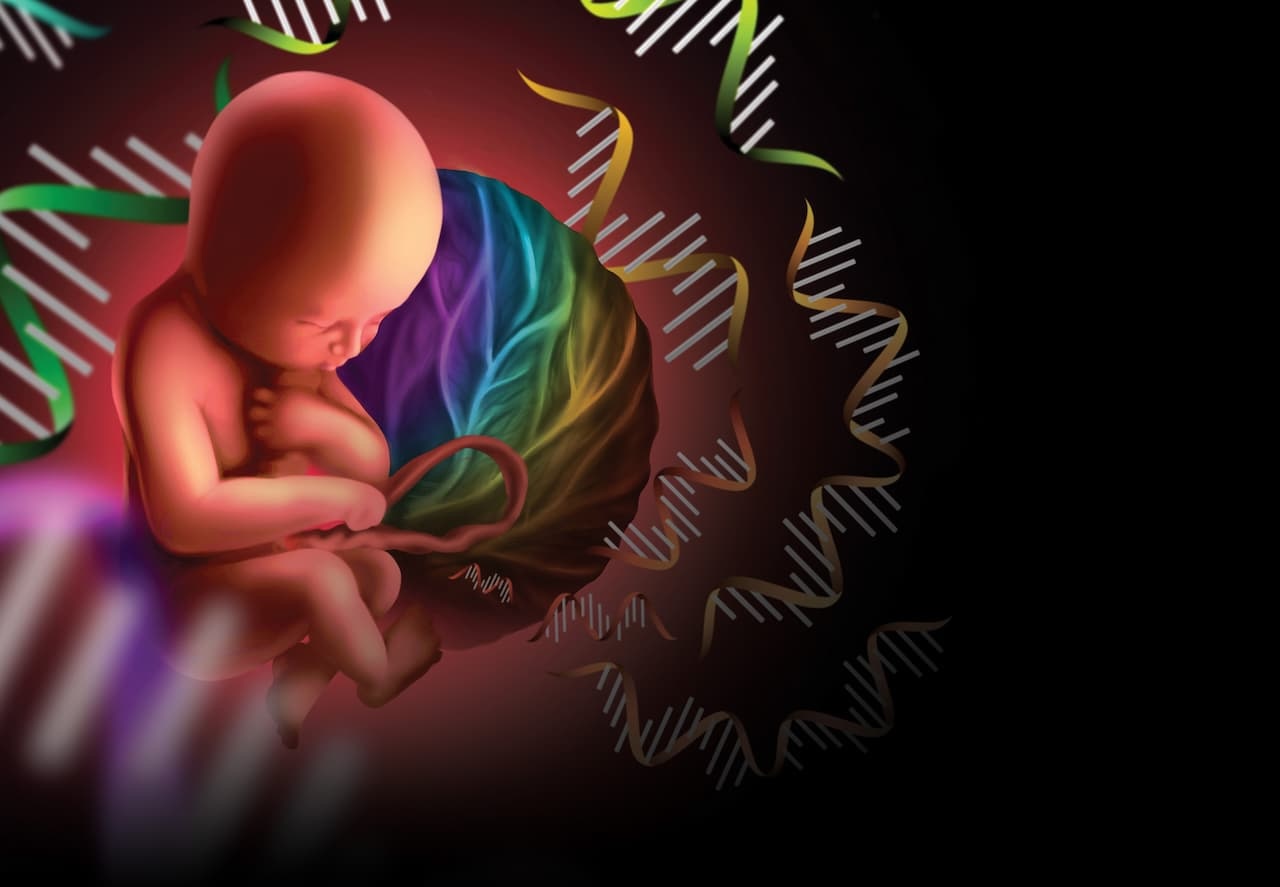
Chemical Pathology Professor Dennis Lo Yuk-ming, often referred to as the “father” of Non-invasive Prenatal Testing (NIPT), is one of leading researchers at CUHK who contribute extraordinary expertise to Hong Kong’s public healthcare system. Last year, he was awarded America’s top biomedical research prize for his discovery, which has revolutionised prenatal testing for Down syndrome. That clinical breakthrough has also laid foundations for the early detection of multiple types of cancer, creating life-changing impacts on patients around the world.
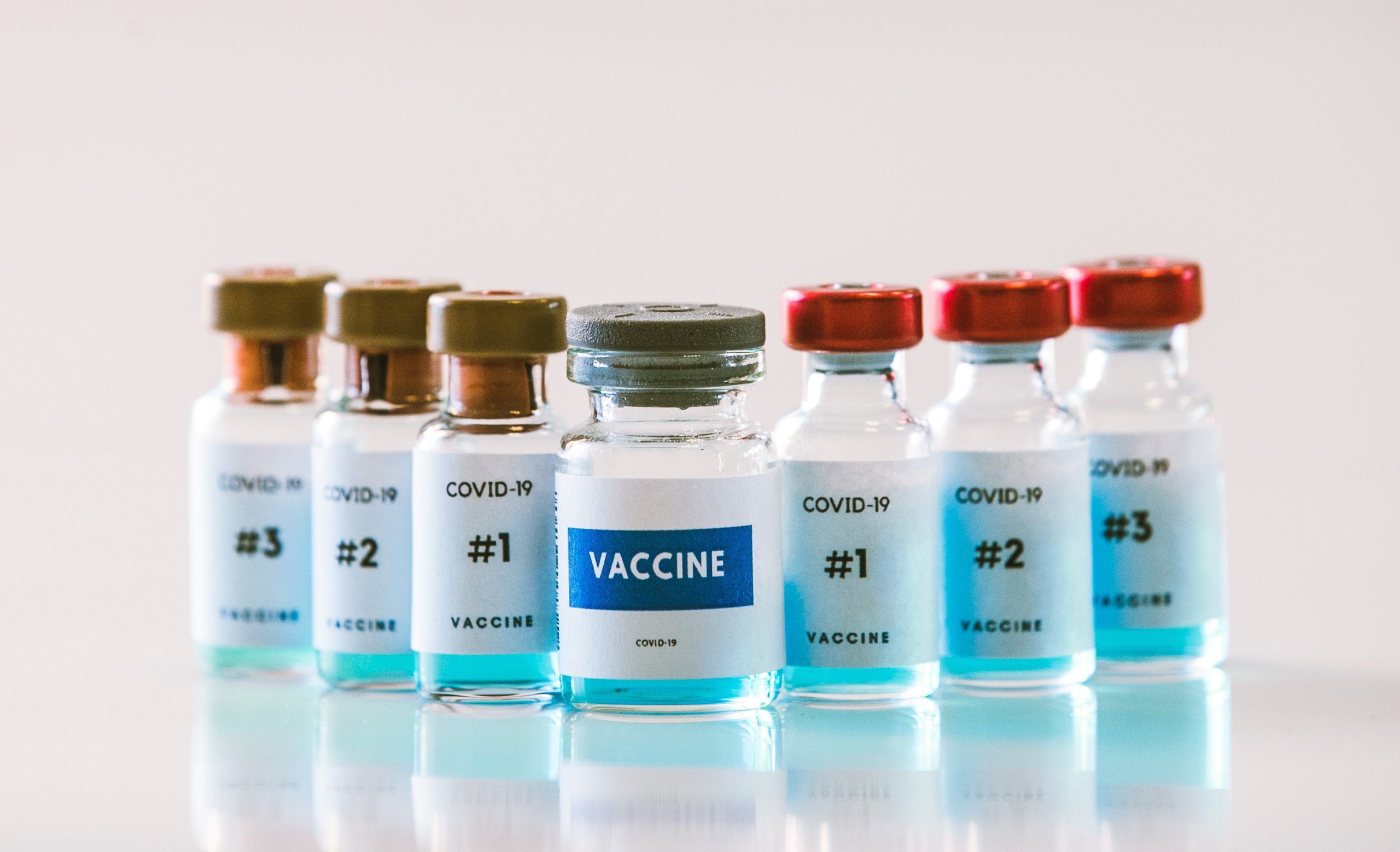
CU Medicine has conducted what is, to date, the largest sample (about 100 million subjects), worldwide study of 24 combinations of COVID-19 vaccines covering seven vaccine types. It shows that, whilst three doses of an mRNA vaccine greatly reduce COVID-19 infection risks in immunocompromised and elderly patients compared to only two doses of vaccines of any kind, an mRNA booster to two doses of any other vaccine protects them against non-severe COVID-19 infections. Very importantly, say the findings, a third dose of mRNA vaccine is necessary to protect against Omicron infection.
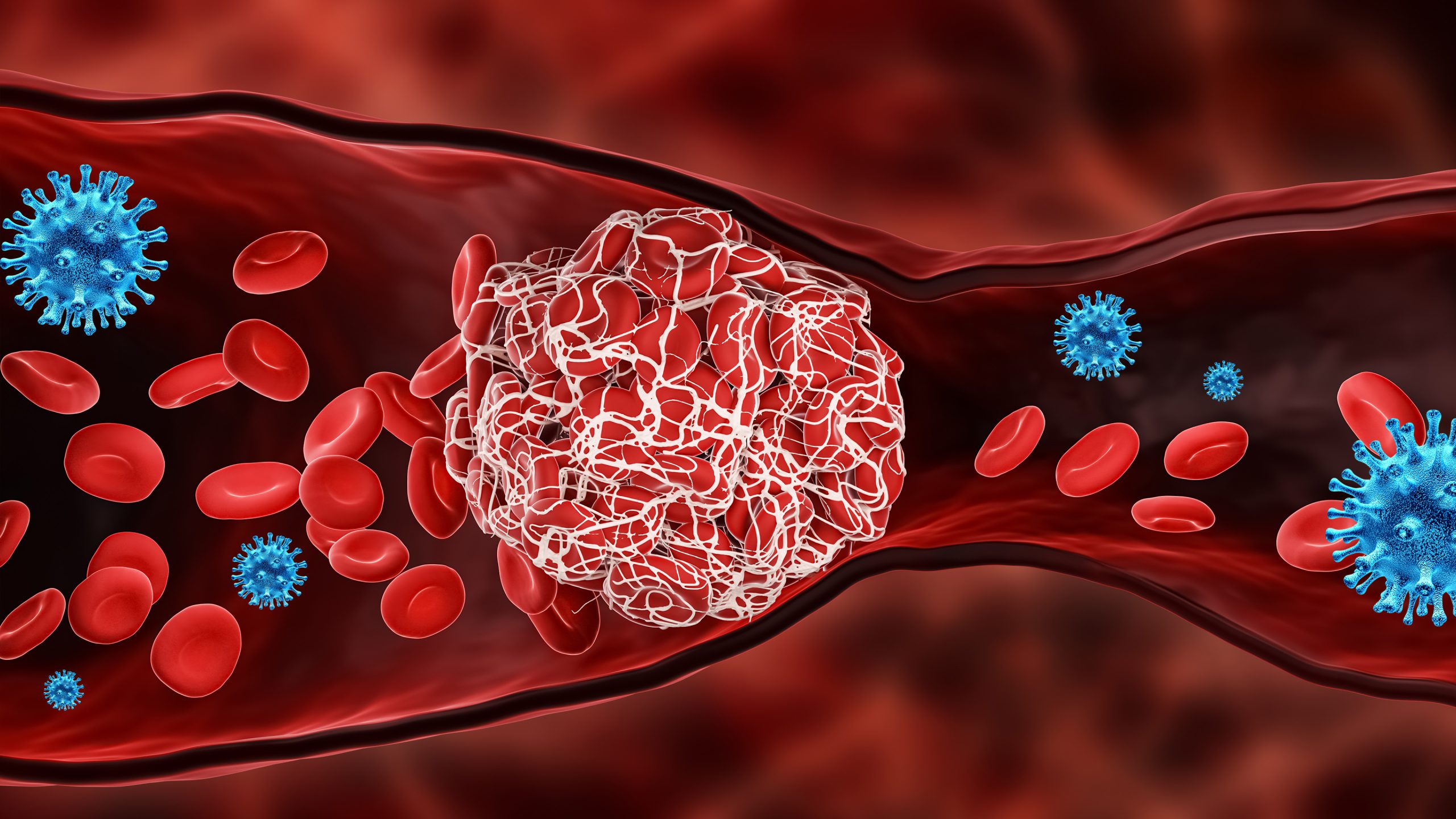
A new pathway has been found whereby SARS-CoV-2 infects the endothelium cells – the innermost layer of the blood vessels, causing hyper inflammation, blood clotting and thrombosis in severe COVID-19 patients. In a collaborative research, a CU Medicine team has discovered that the virus induces inflammation by activating a unique cell surface receptor called (TLR) 4, without entering the host cell.
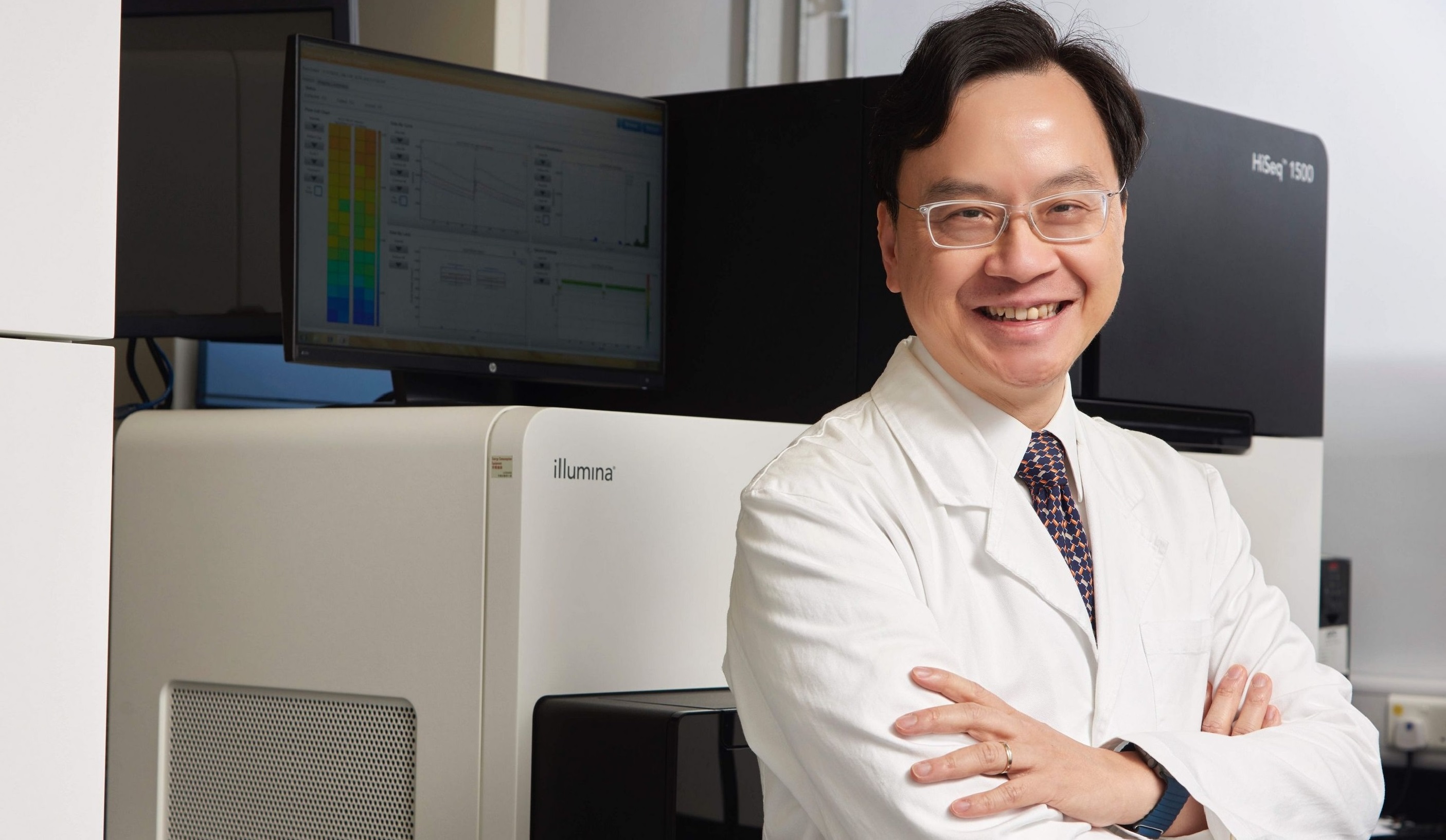
If they heard, 7 million women worldwide every year would applaud the award of the Breakthrough Prize in Life Sciences 2021 to Professor Dennis Lo. In a paradigm shift in medical science, he discovered the presence of fetal DNA in maternal blood and developed non-invasive prenatal testing for Down syndrome and other genetic diseases.