












A 2,000-year-old Mediterranean glass bead excavated in Kazakhstan is helping CUHK researchers re-examine Silk Road history. Spearheaded by Professor Lam Weng-cheong, this cross-border collaboration uses advanced scientific analysis to reveal early Eurasian connectivity. Beyond mapping ancient exchange networks, the initiative establishes equitable international partnerships and provides immersive field training for the next generation of archaeologists.
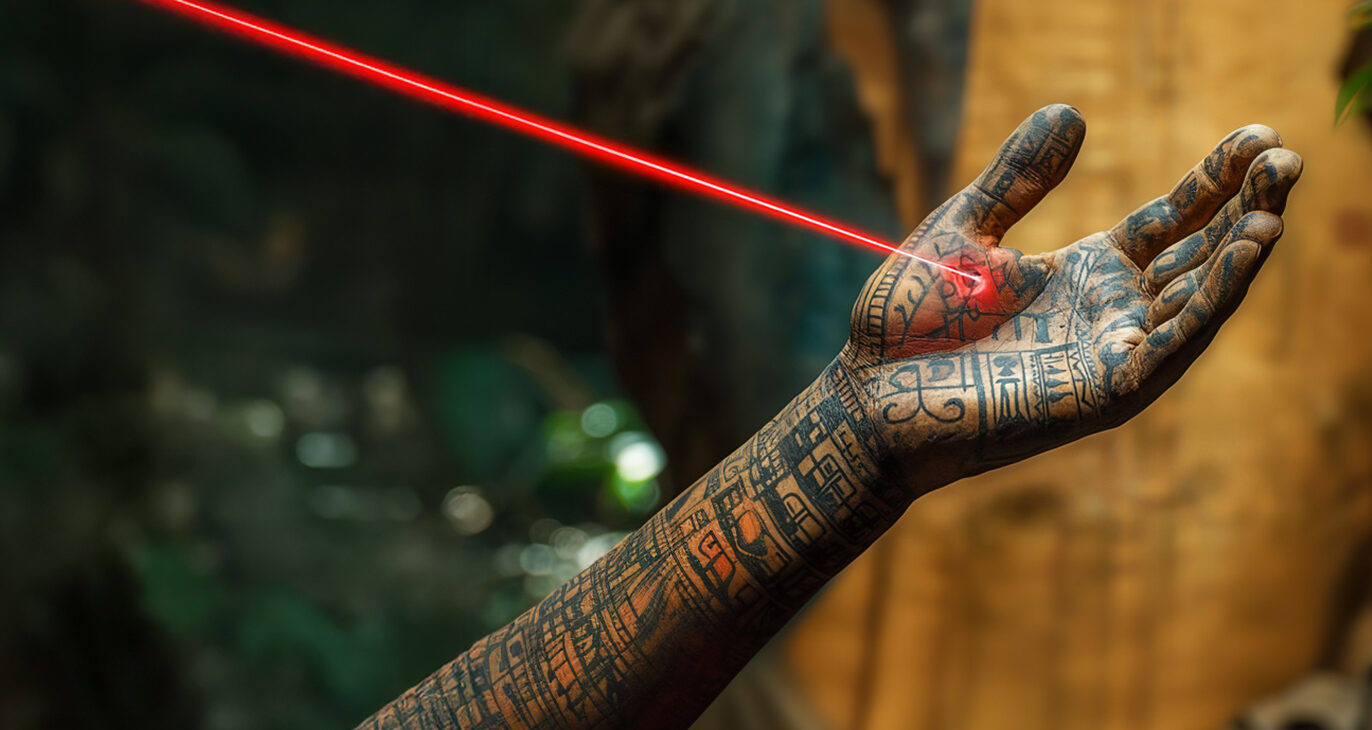
An ancient society, by some measures, may have been more advanced in tattooing than we are today. A recent CUHK-led study has revealed incredibly intricate tattoos, with details as fine as 0.1-0.2 mm, on 1,200-year-old mummified remains from Peru’s Chancay culture. Using laser-stimulated fluorescence technology – a technique originally developed to study dinosaur fossils – the research illuminates the artistic sophistication of this ancient civilisation.
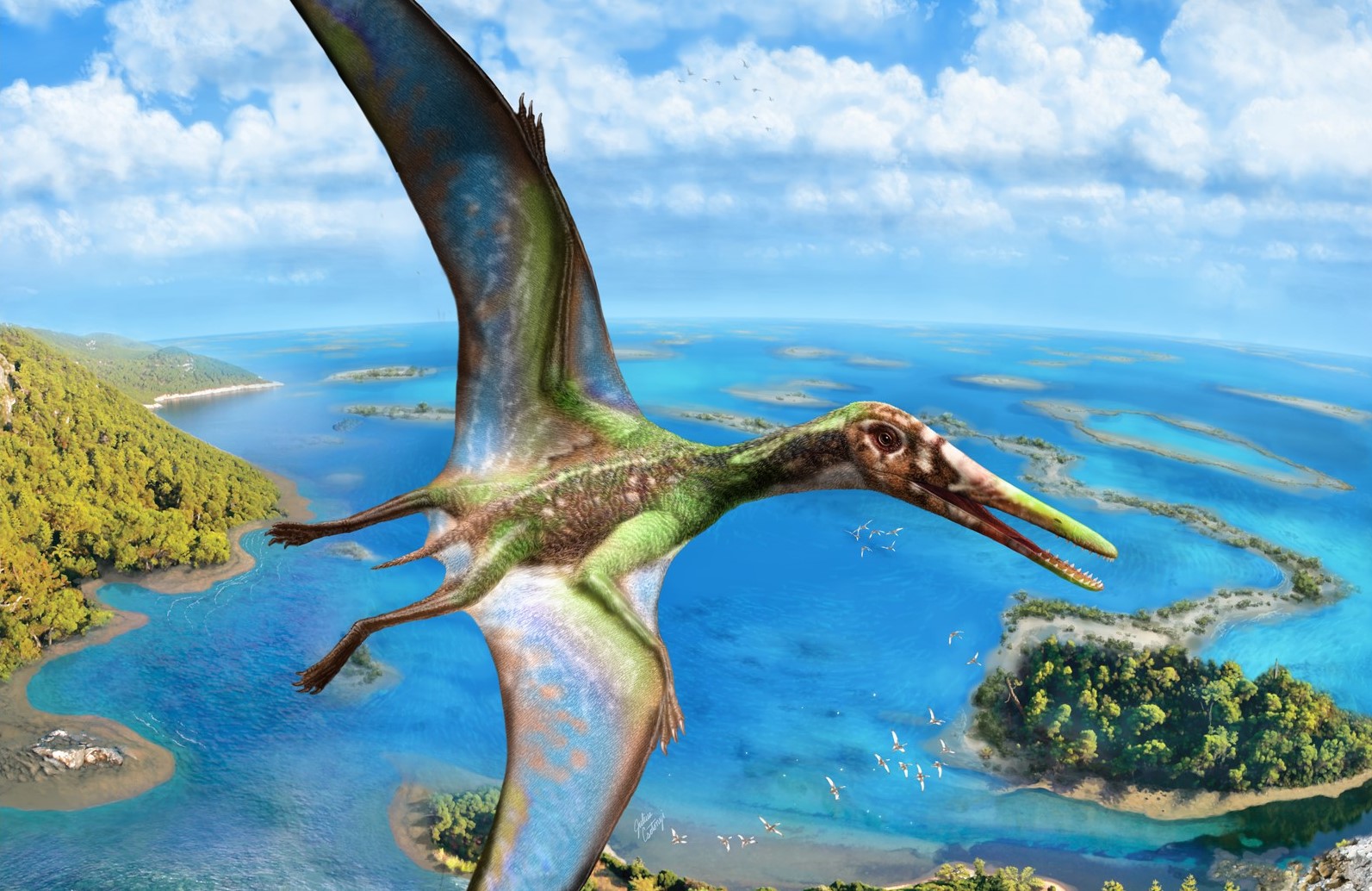
A CUHK palaeobiologist co-developed laser stimulated fluorescence imaging while pursuing how running dinosaurs evolved into flying birds. The technique revealed unseen fossilised tissues so well, it inspired a crossover to a completely different discipline, archaeology.