









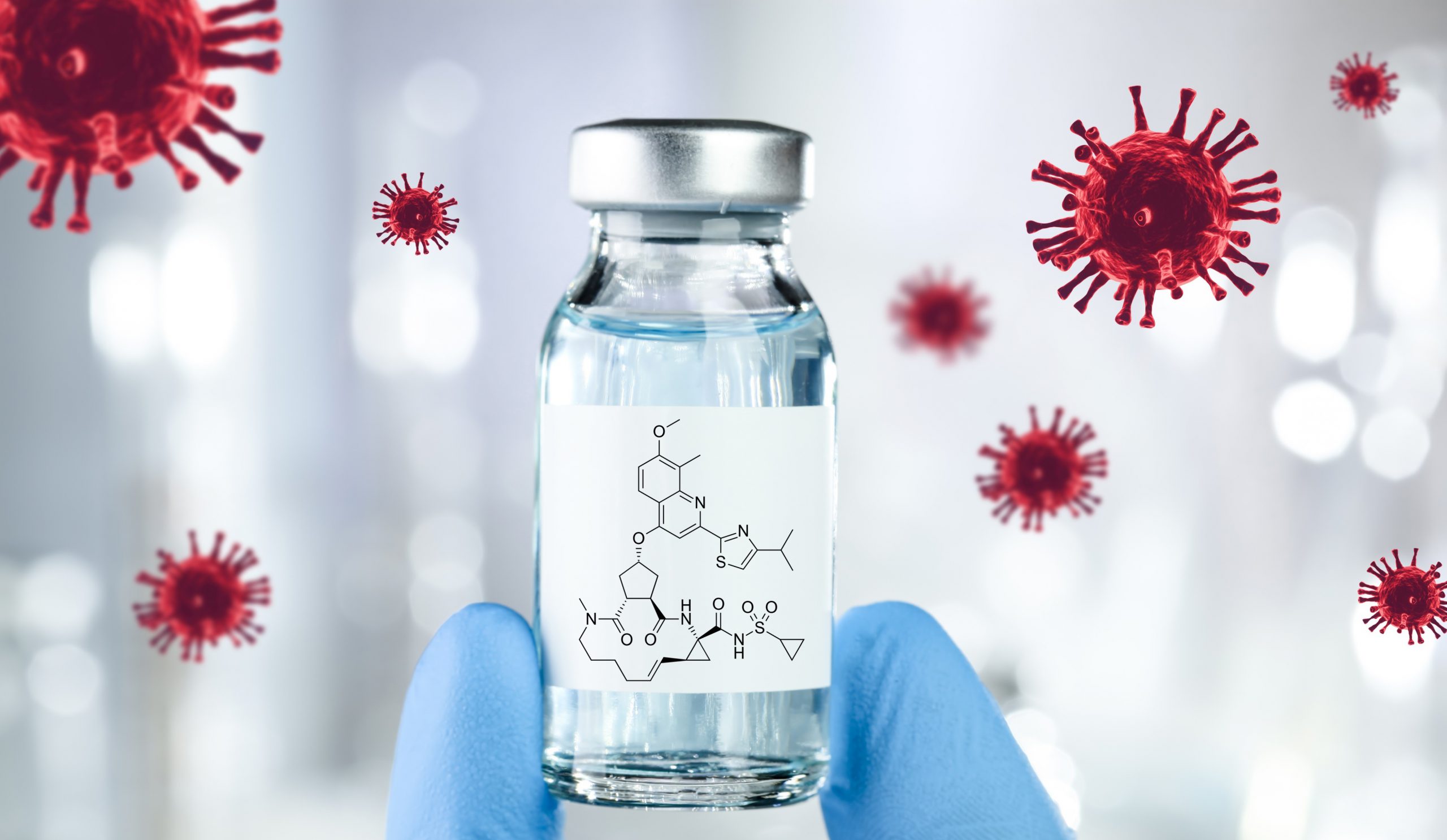
Simeprevir was a successful drug retired from the fight against the hepatitis C virus when new drugs and advanced treatment came into the field in recent years. An international research team led by CUHK and HKU seeking an effective drug molecule against COVID-19 has re-enlisted simeprevir as a potent treatment to suppress the replication of SARS-CoV-2.
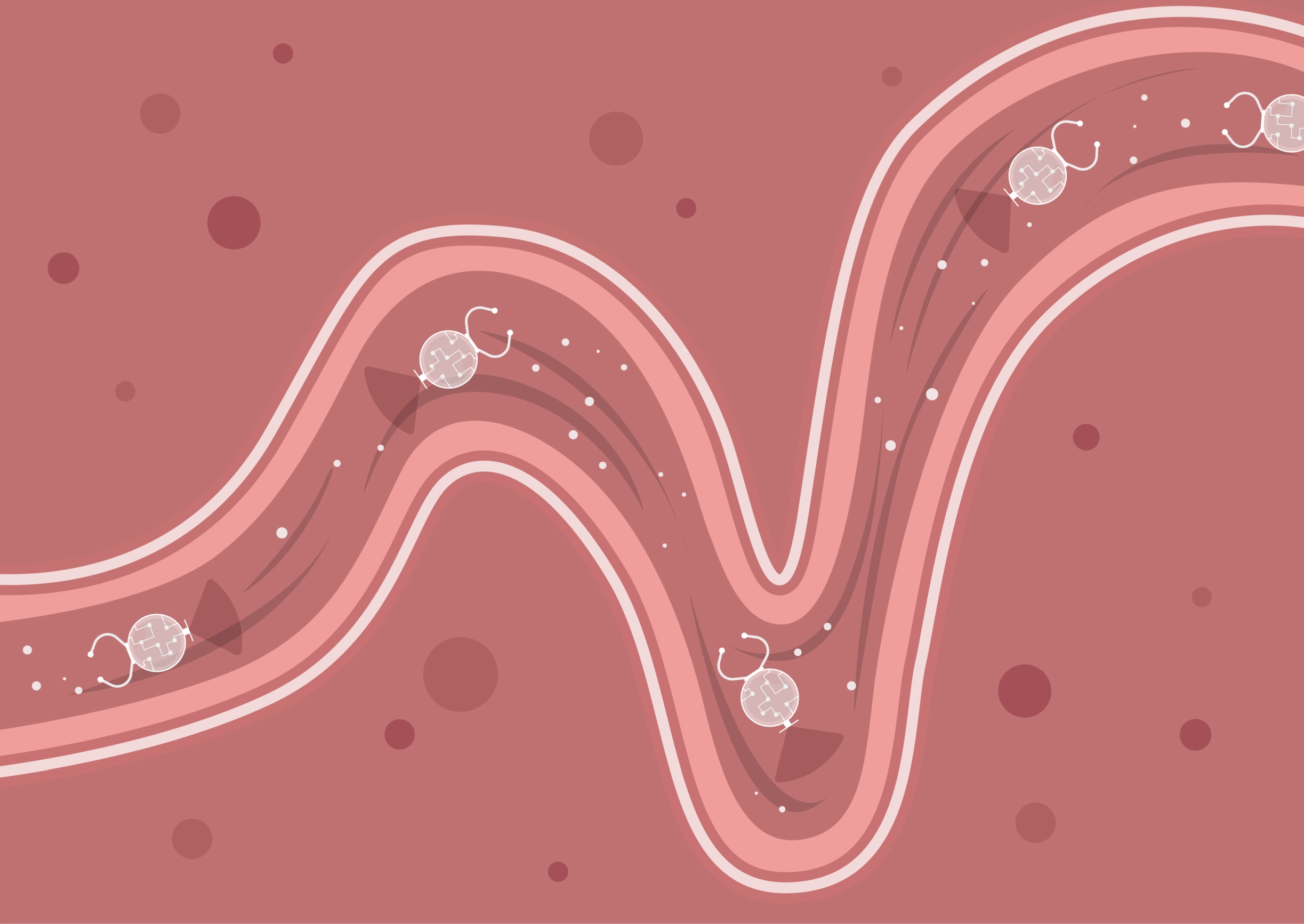
A sci-fi adventure film from the 1960s, Fantastic Voyage, features a group of doctors shrinking into microscopic size and venturing into a patient’s brain to repair damages. A CUHK research team has recently brought this surreal fantasy to life by developing biohybrid soft microrobots, which navigates in tiny lumens for health inspections and medical treatments.
Innovative algorithms developed by a CUHK team, using bioinformatics analysis of virus genome, can estimate vaccine effectiveness (VE) by quantifying the relationship between the genetic mismatch between flu vaccines and current virus strains. This real-time prediction method of VE early in flu season gives the government a heads-up in selecting effective vaccines and organising resources before mass vaccination.
Constant academic pursuit by scholars is essential to driving improvements in life and social progress. Scholars and research studies from CUHK have received international and national awards in various disciplines over the past few months, with research excellence widely recognised.
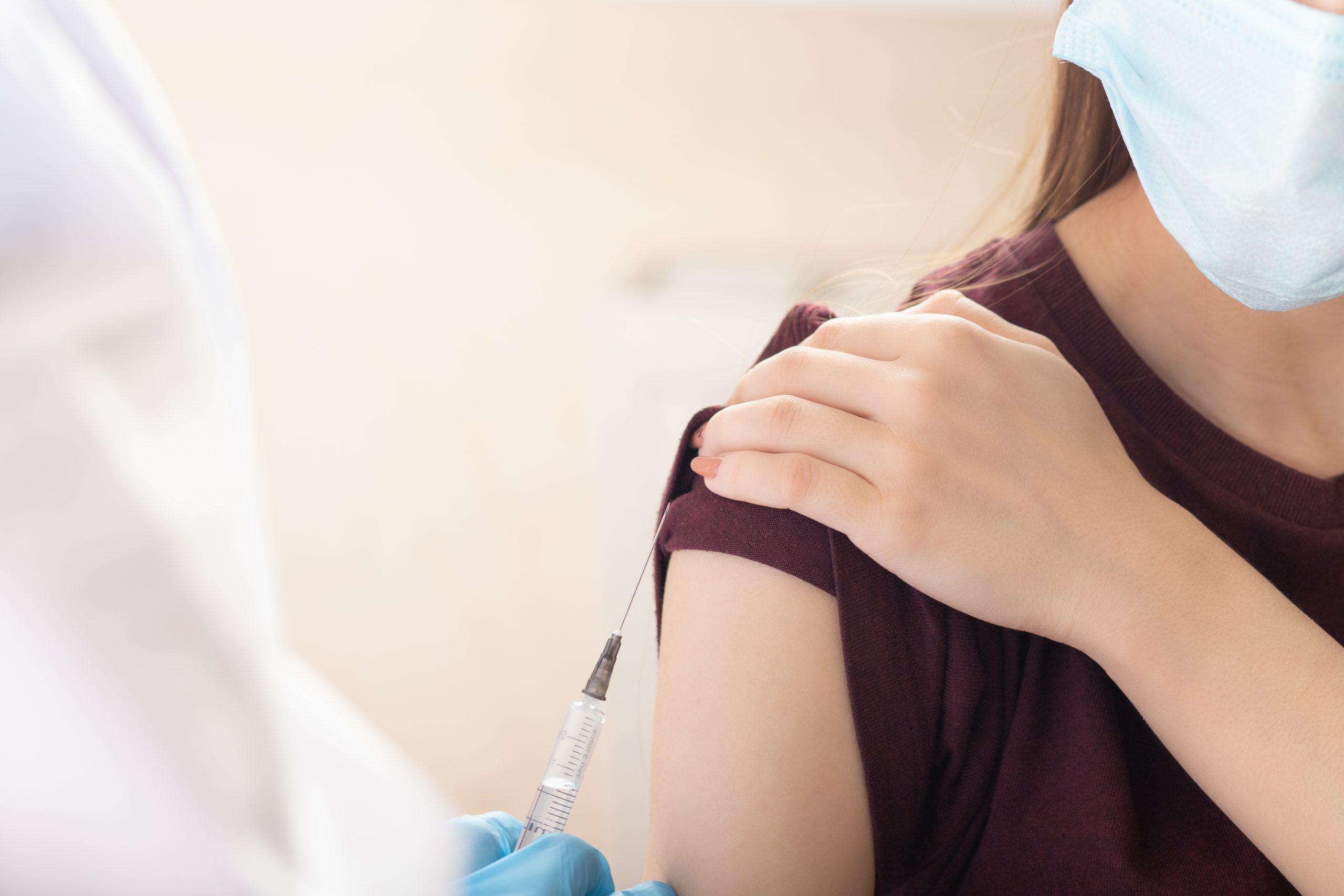
Apart from achieving research excellence, the education sector has the prime responsibility to lookout for the interests of the community in these challenging times. CUHK rolled out thorough infection control measures and vigorous vaccination promotion efforts in fighting against COVID-19 , to get everyone back to their normal lives as soon as possible.
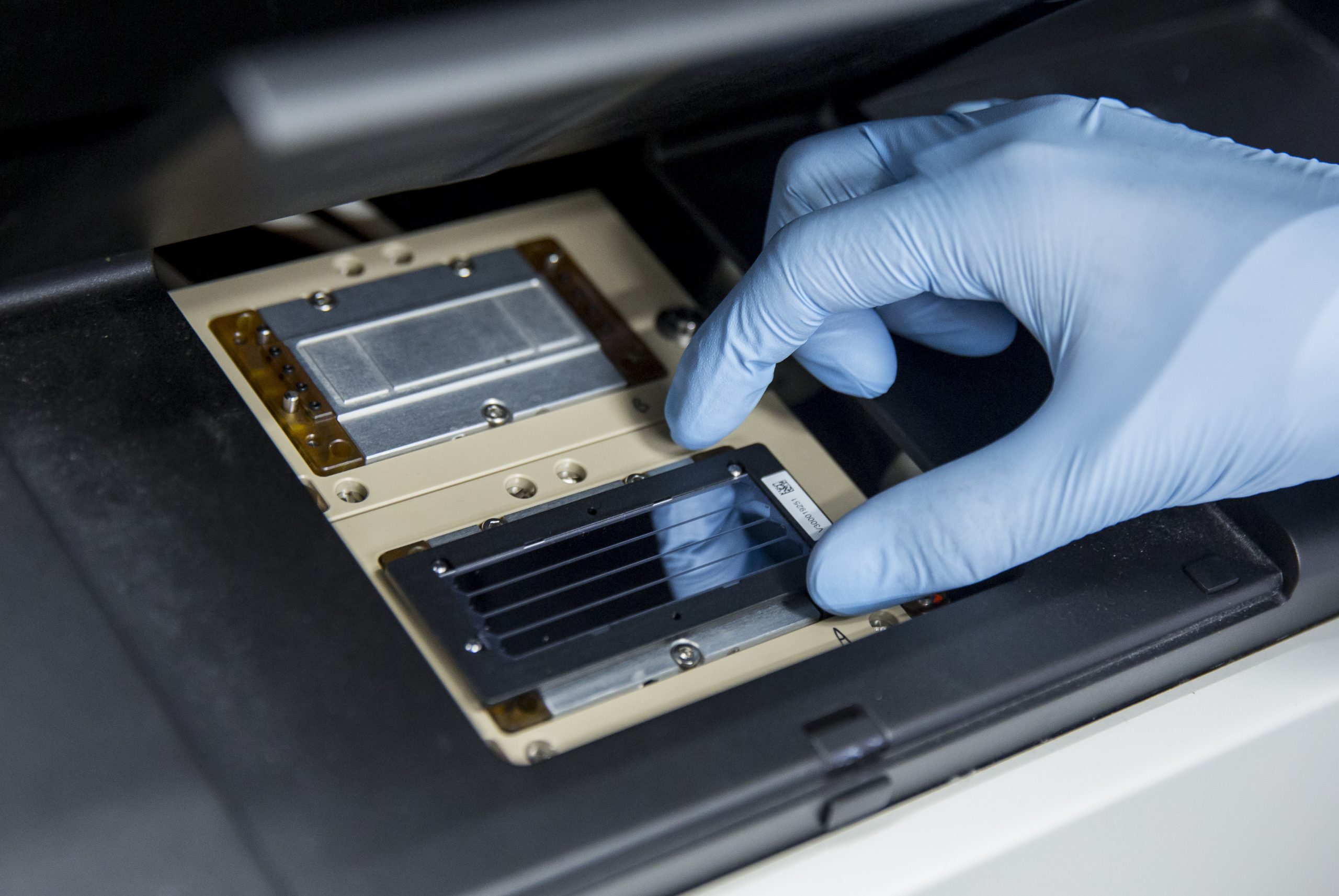
Frustration, disbelief, marital and mental stress can all come to women who have recurrent miscarriages but only half the couples could find out why it was happening to them. Now a new and more probing genome sequencing test – ChromoSeq is uncovering the causes, protecting the pathway to birth and rekindling hopes.

Global higher education is facing new challenges in the midst of the pandemic attack and a receding economy. CUHK scholars work to triumph over adversity and improve the condition of mankind through exceptional research achievement. Acknowledgement has been given to CUHK scholars through regional and international funding and fellowship support so that their research projects may further flourish.
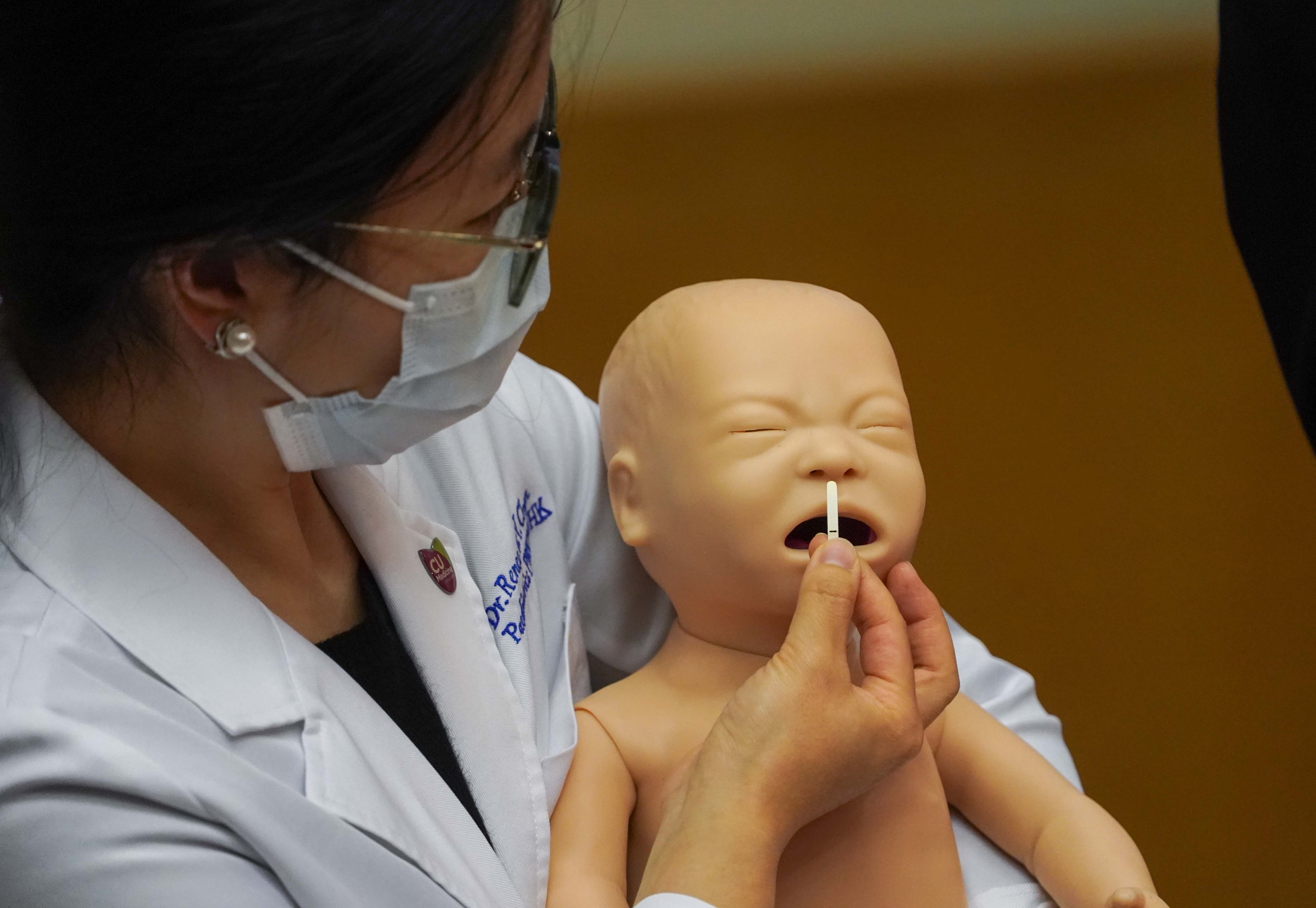
Scared kids gagging on swabs probing into noses and throats or embarrassed old folk trying to heave up saliva has been the unhappy side of COVID-19 testing. Now, a nasal strip sampling for COVID-19 test that is gentle, fast, easy and accurate is on its way for all ages, equaling one of the standard test methods and out-performing the other.
Science has the potential to change the world and the future of mankind. Through science, we can live a better life, or develop new vaccines, medicines, and technologies to prevent plagues, cure diseases, or explore the unknown possibilities. CUHK scholars reveal their research results on advancing human betterment. Their contributions to society have gained tremendous acclaim across global.
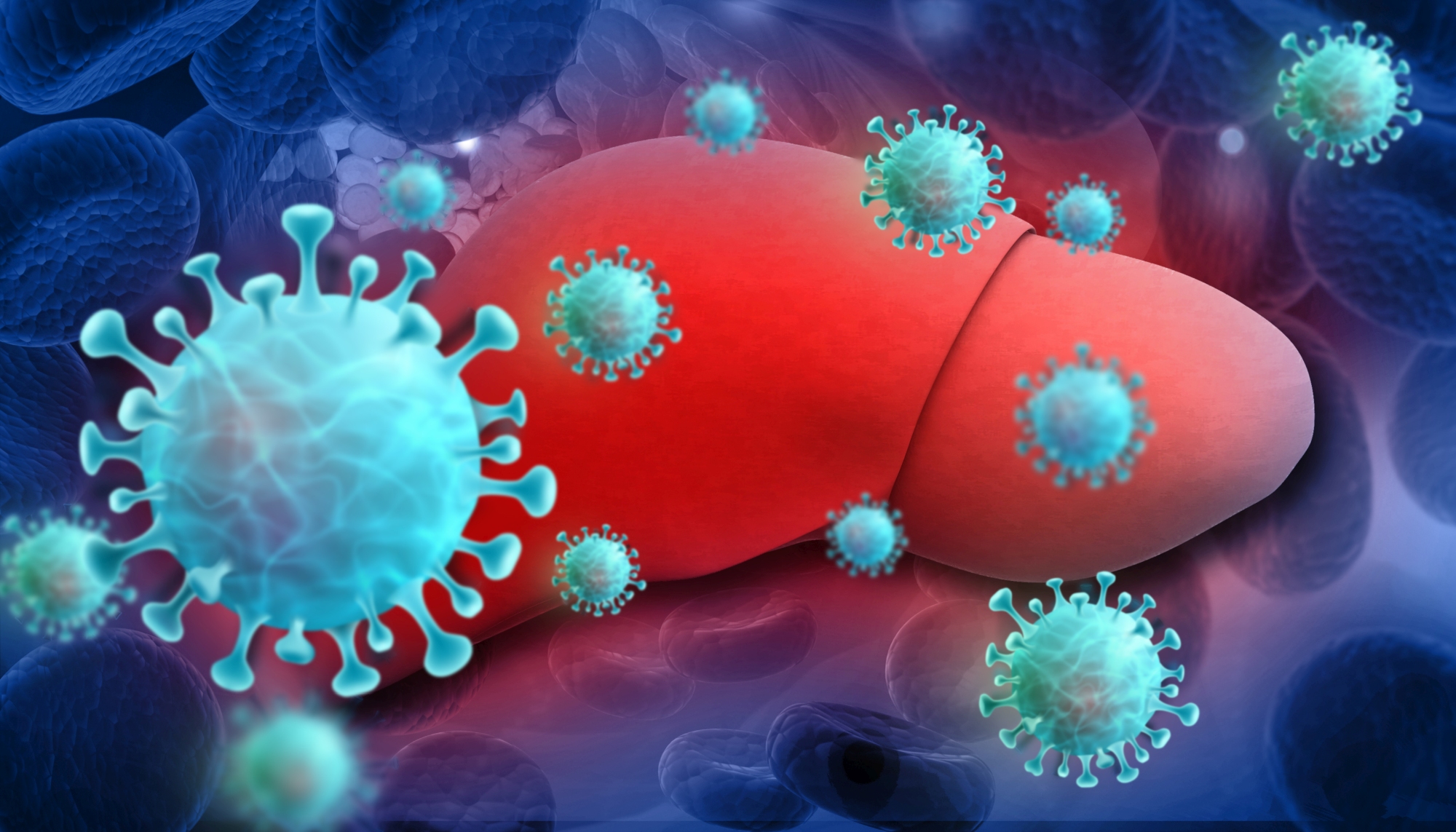
Not only old age and other chronic conditions let in COVID-19. Those with liver damage are revealed as vulnerable and face eight times the risk of experiencing intensive care, mechanical ventilation, or death. CU Medicine researchers led an international hepatologists group in a statement pushing for better clinical management of COVID-19 liver disease sufferers.
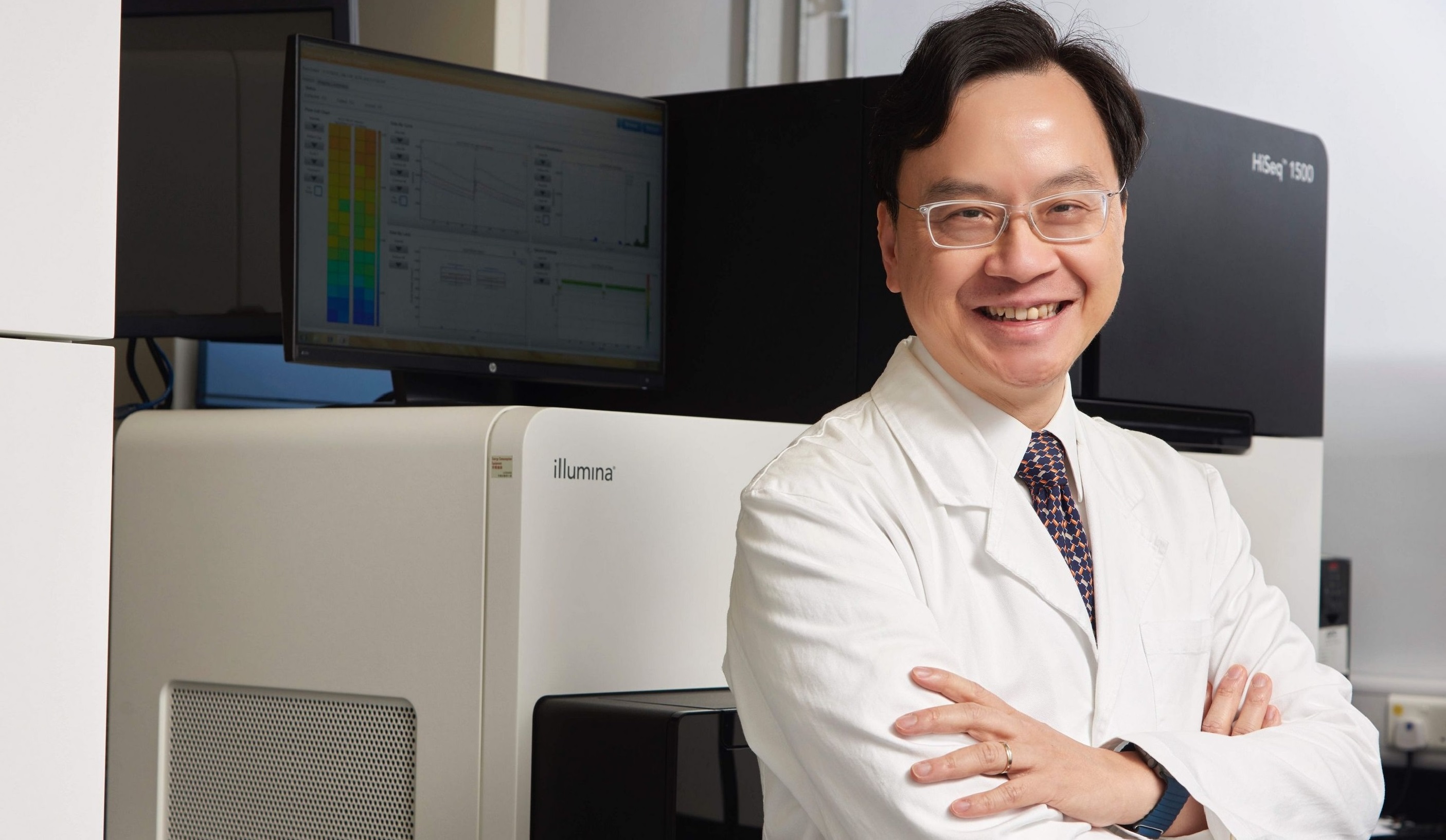
If they heard, 7 million women worldwide every year would applaud the award of the Breakthrough Prize in Life Sciences 2021 to Professor Dennis Lo. In a paradigm shift in medical science, he discovered the presence of fetal DNA in maternal blood and developed non-invasive prenatal testing for Down syndrome and other genetic diseases.

Neuronal networks in the brain and spinal cord use a mechanism to adjust muscle commands for the way you run, depending on your body condition and experience. Research has found that muscle patterns – “muscle synergies” – are changed and merged across age and training groups, allowing runners to run longer with more energetic efficiency.
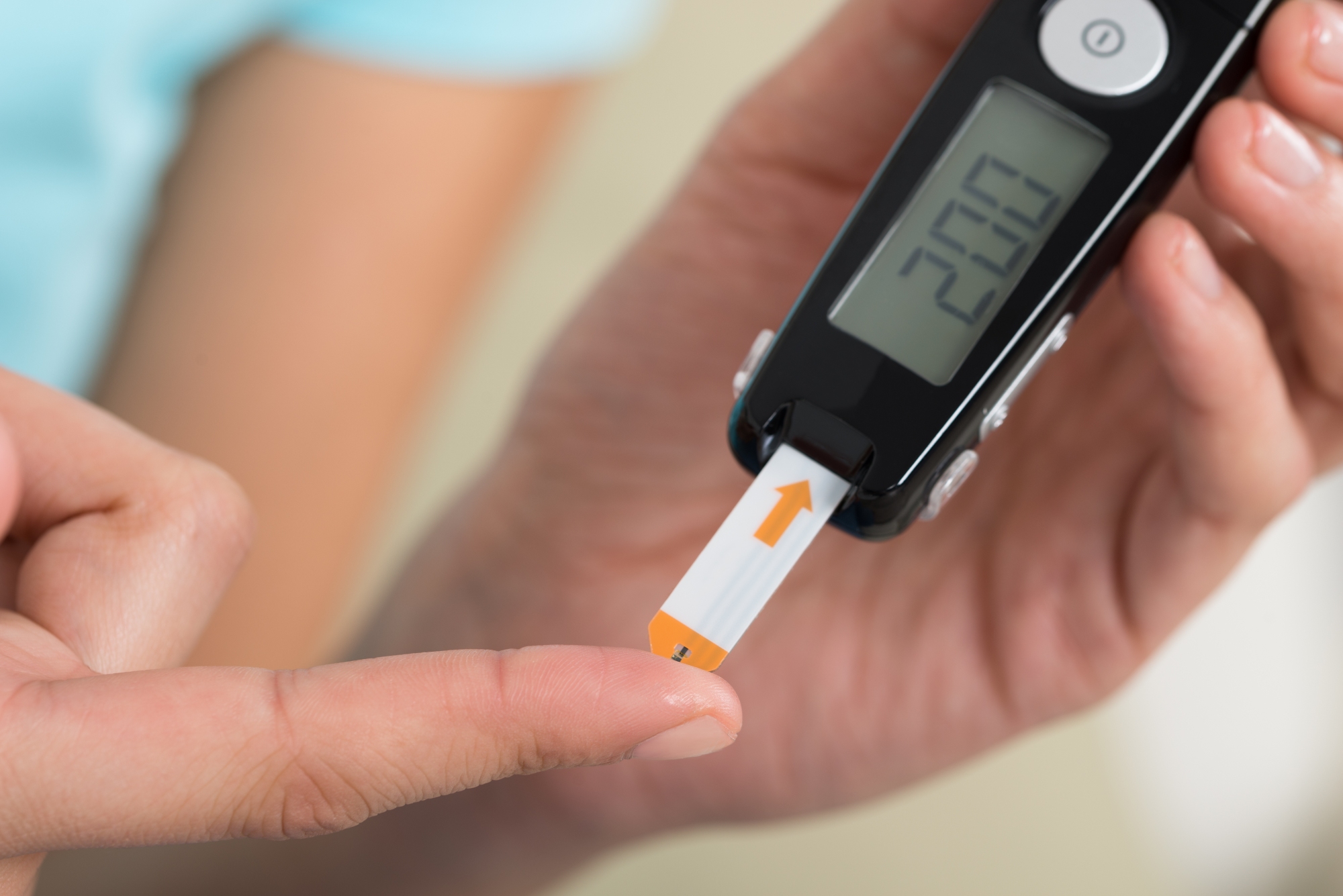
Diabetes, already a major killer, could increase the risk of sufferers being infected by COVID-19 and severely. The alarm has been raised by researchers who have applied advanced statistical analysis to possible virus risks, and shed light on drug development for it. Diabetes patients need to watch their diets and be extra vigilant.
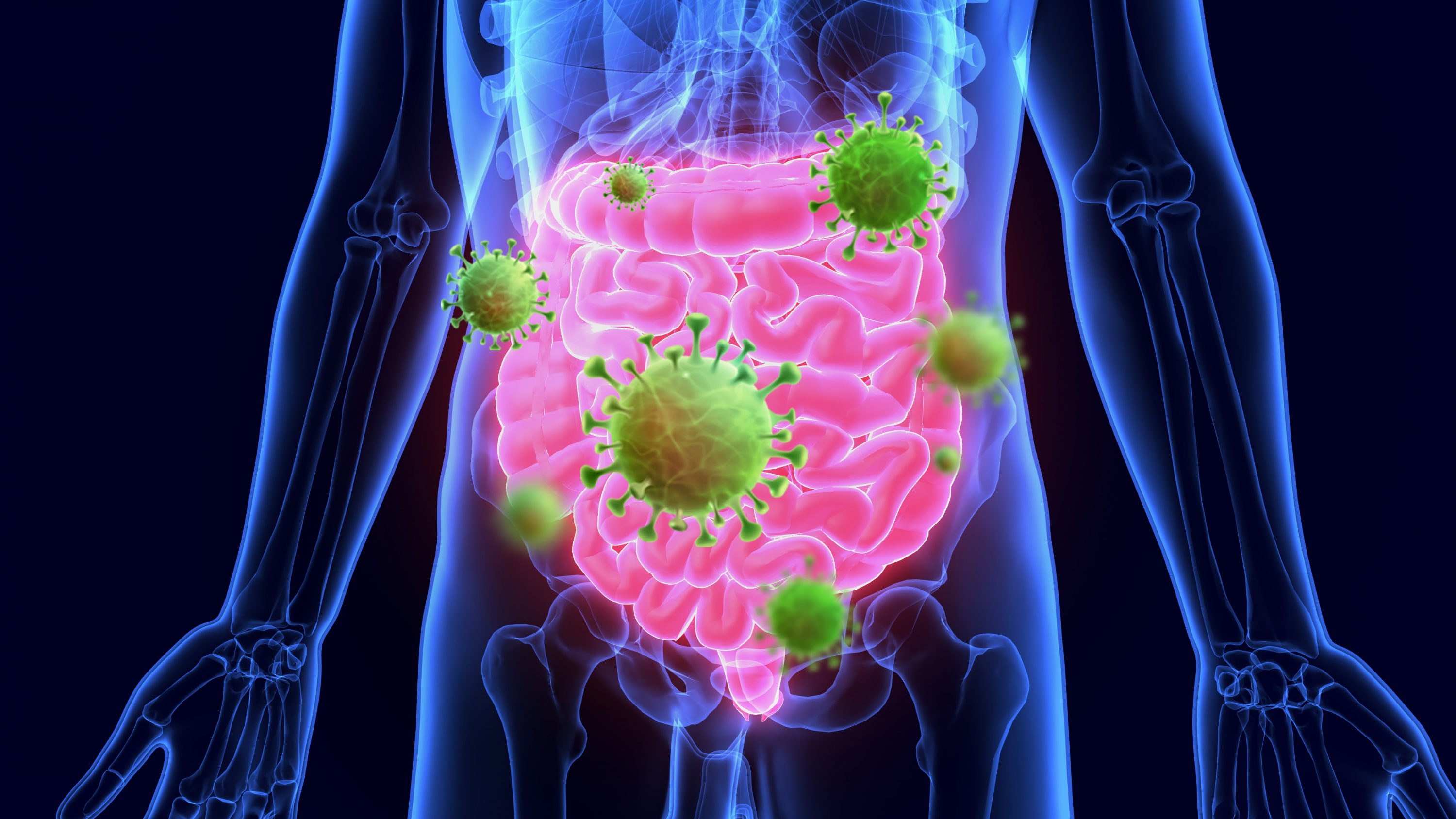
A university research team has found that lower levels of “good” bacteria and higher levels of “bad” bacteria in the gut of people with COVID-19 has made it harder for them to fight off the virus. The team has since developed a probiotic supplement based on this research to enhance the “good” bacteria thereby offering hope to boosting immunity against the virus in everyone who could be at risk.
If you have that specific ASPM genotype that enjoys the ups and downs of tone language, that’s the way you’ll go and about 70% of Cantonese speakers participating in a CUHK study had it, with better tone perception. If you don’t, or aren’t Chinese, all is not lost. Music training may help you improve your performance in lexical tones.

Previously unknown brain circuitry can generate repetitive behaviour that fends off harm from emotional stress. CUHK biomedical scientists find that responses like compulsive hand rubbing when anxious are coping mechanisms not to be repressed. That circuitry gone awry can also be a research lead into OCD and autism.
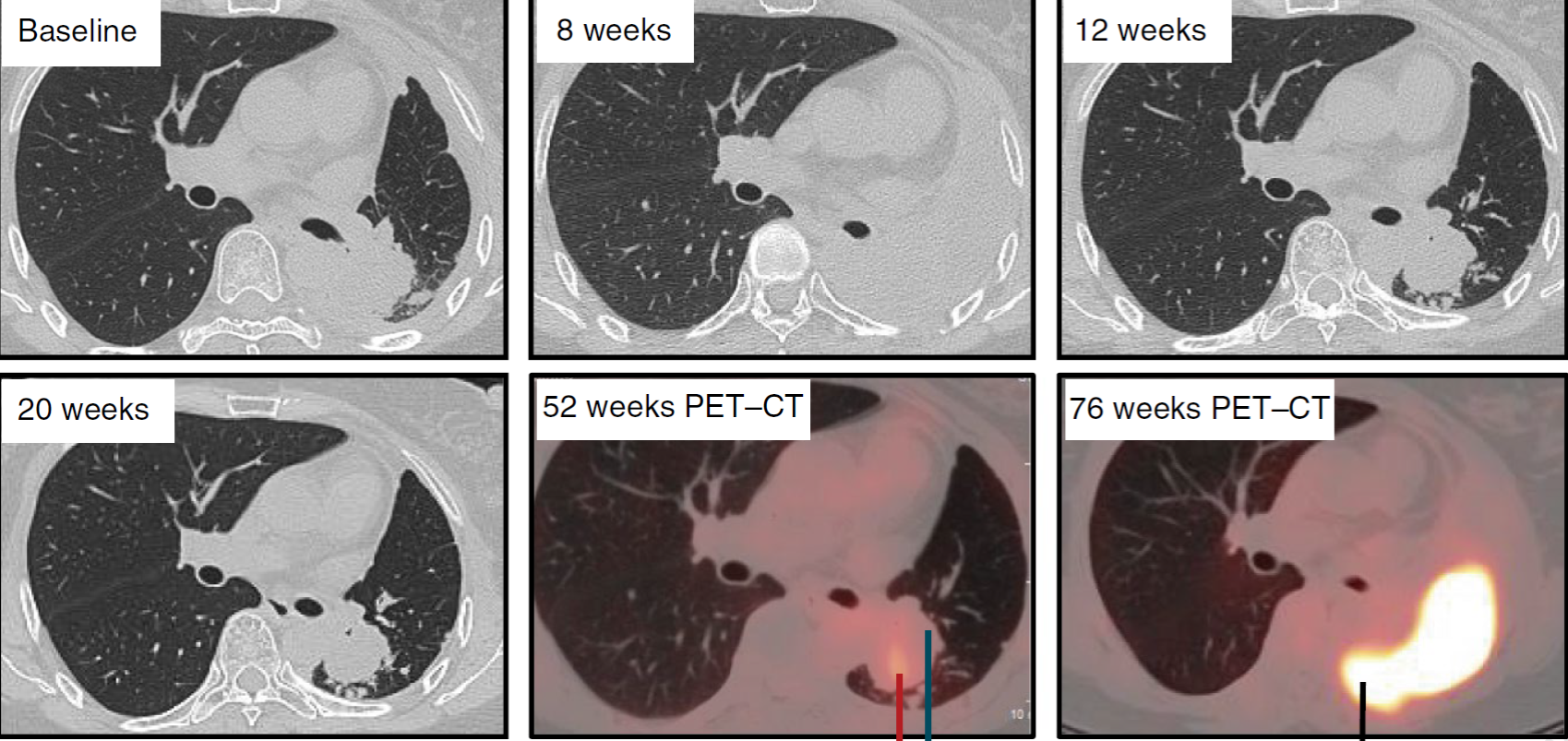
A new chapter is opening in cancer immunotherapy. A first-in-human clinical trial of CRISPR technology to treat late stage lung cancer has proved safe by a CUHK joint research. T-Cells of advanced condition patients have been extracted, gene edited and reinfused as potential fighters against cancer cells.
Stool, found to be a “shed” for the coronavirus. According to the latest study, the coronavirus was found in faeces samples from 14 COVID-19 patients, regardless of the severity of their condition. 3 of them still had virus even though their respiratory secretions were cleared of the virus. Researchers suggest faeces test as an alternative screening.
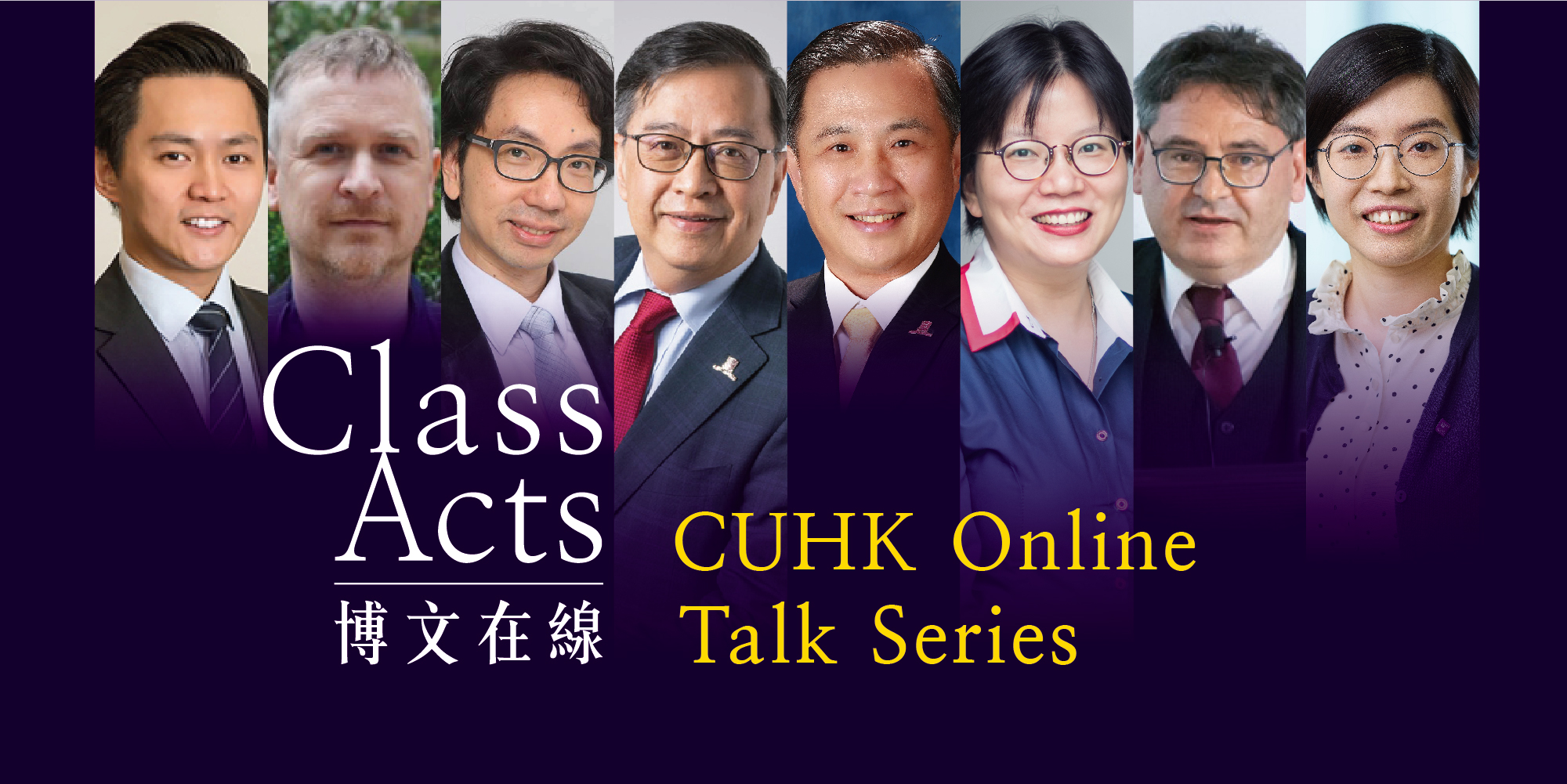
To encourage students to keep learning at home during the pandemic, CUHK is introducing the “Class Acts” CUHK Online Talk Series. Nine outstanding scholars will deliver short lectures on different areas of expertise through a video conferencing platform. The first one, given by CUHK’s Provost, will be held on 20 March.
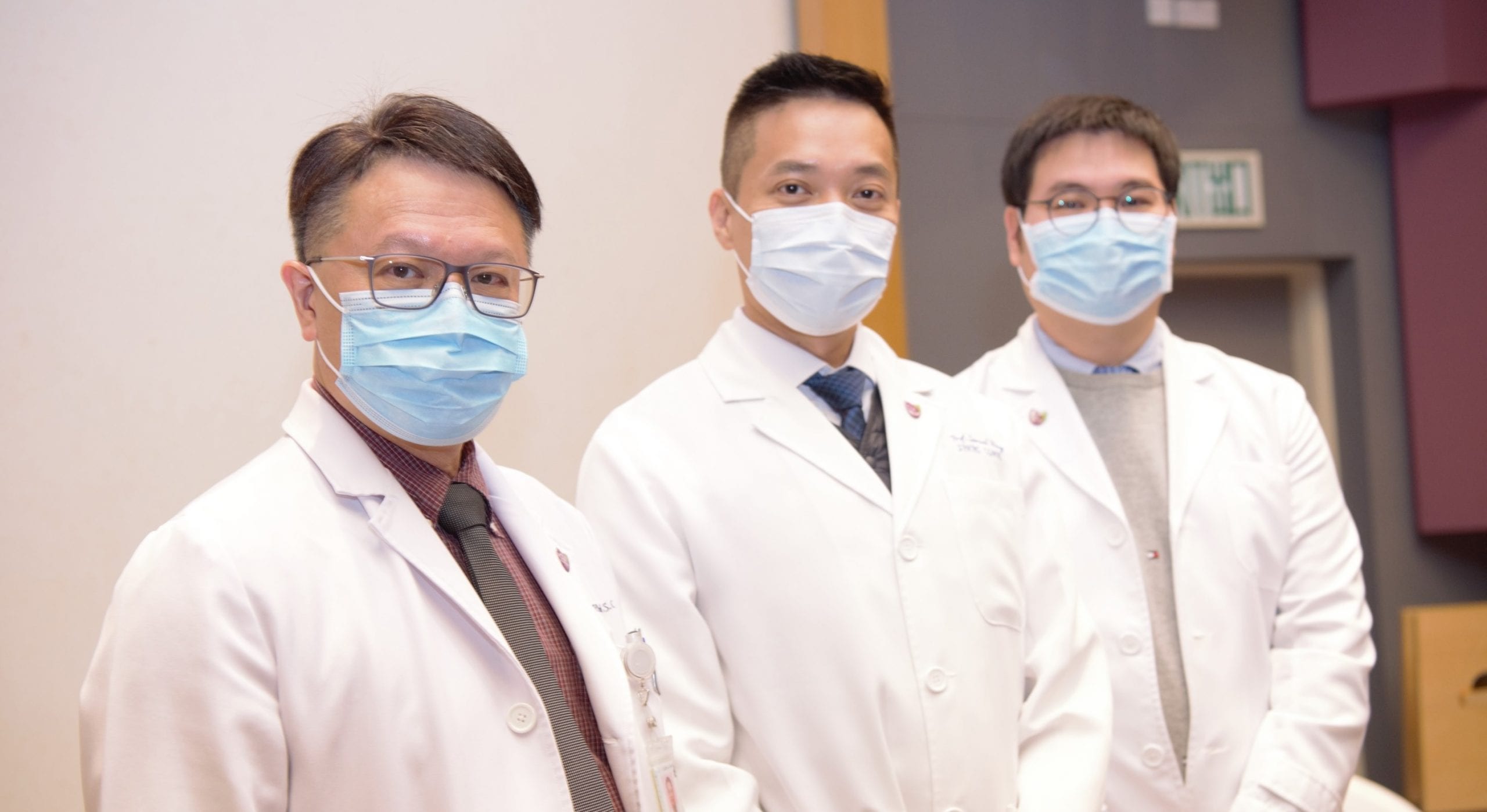
98% of Hong Kongers feared catching the COVID-19 virus and practically all were abnormally anxious, while 90% were taking to strict mask wearing and hand washing, according to a survey in the outbreak’s early phase. But not to recommended “social distancing”. 90% of cases took 6 to 14 days between feeling ill and getting isolated.
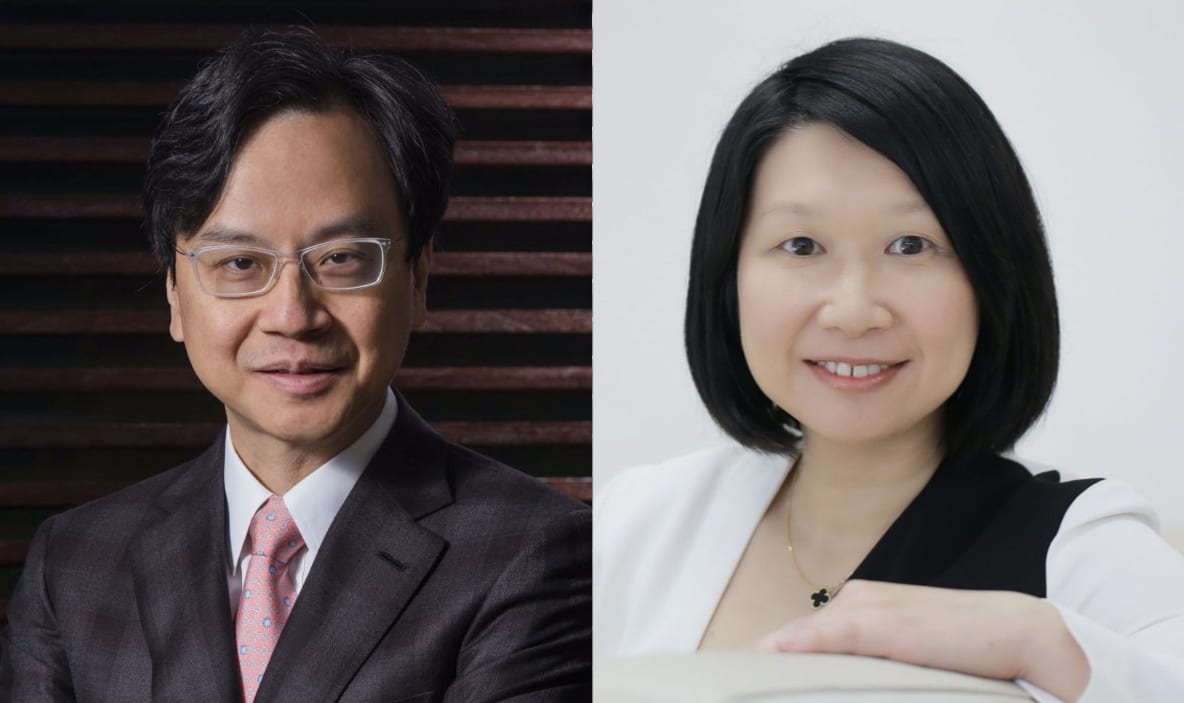
Professors Dennis Lo and Rossa Chiu of the Faculty of Medicine, drew attention to the city as the only Hong Kong researchers in Nature Biotechnology’s “Top 20 Translational Researchers” for 2018, for their work on prenatal diagnostics. For Professor Lo, the first Chinese recipient of the Fudan-Zhongzhi Science Award, it’s the third time in the Top 20.
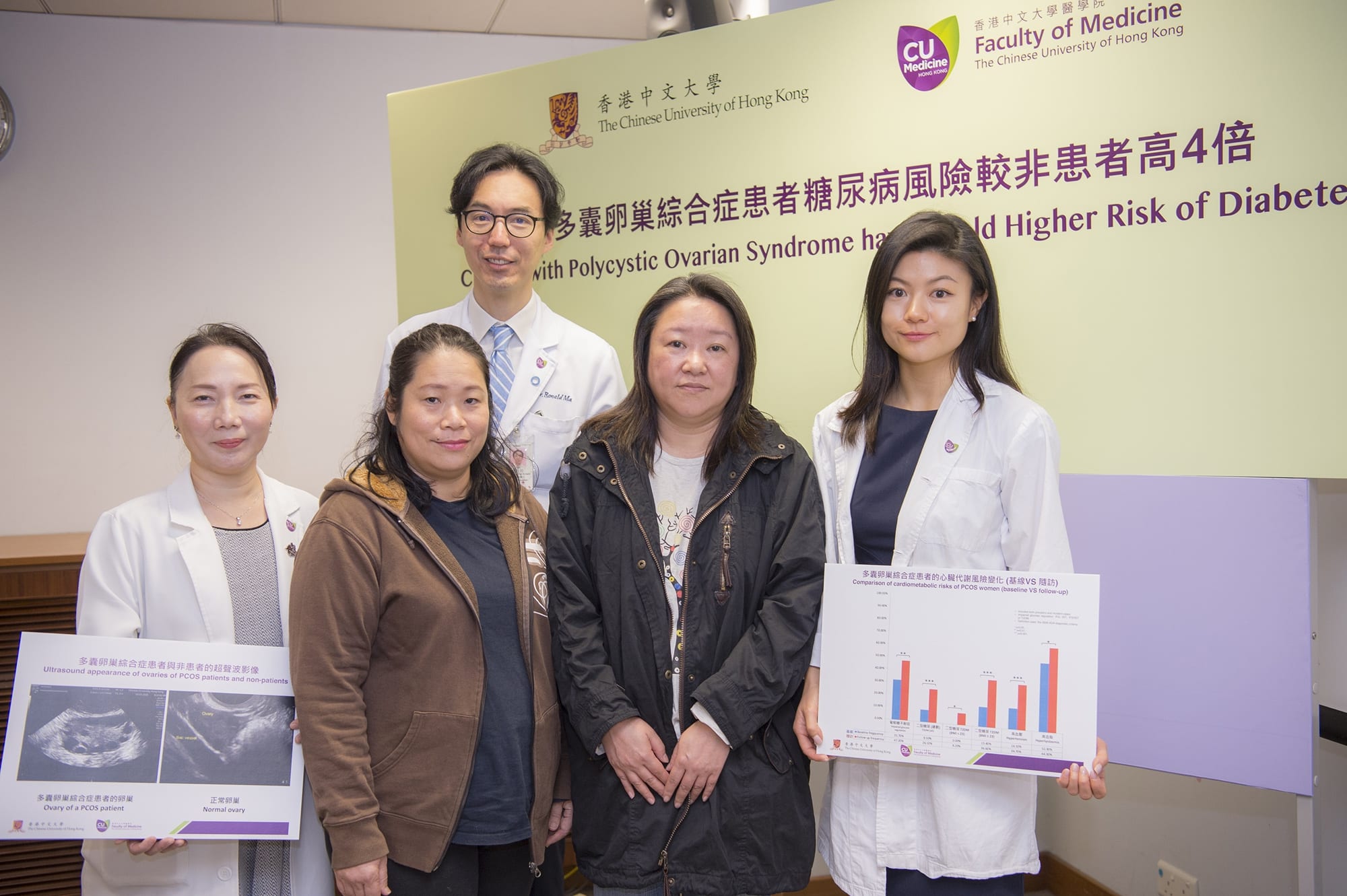
It was known Chinese women with PCOS risk developing diabetes. Faculty of Medicine’s ten-year case-control study has now shown Chinese women have four times the risk and that onset will be earlier. Now affected women can be advised to be screened and have blood pressure monitored to reduce long term risks.